

Description
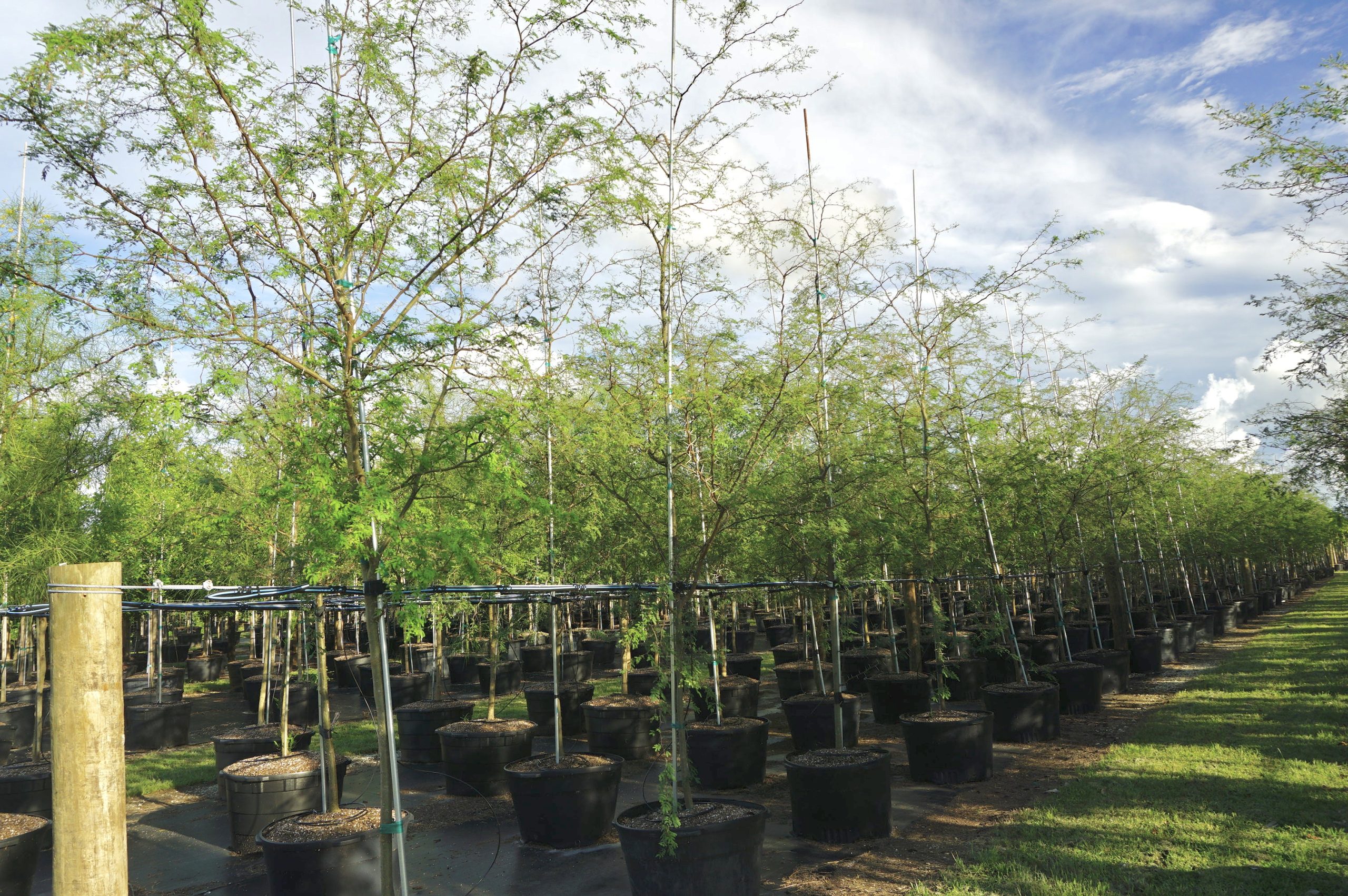
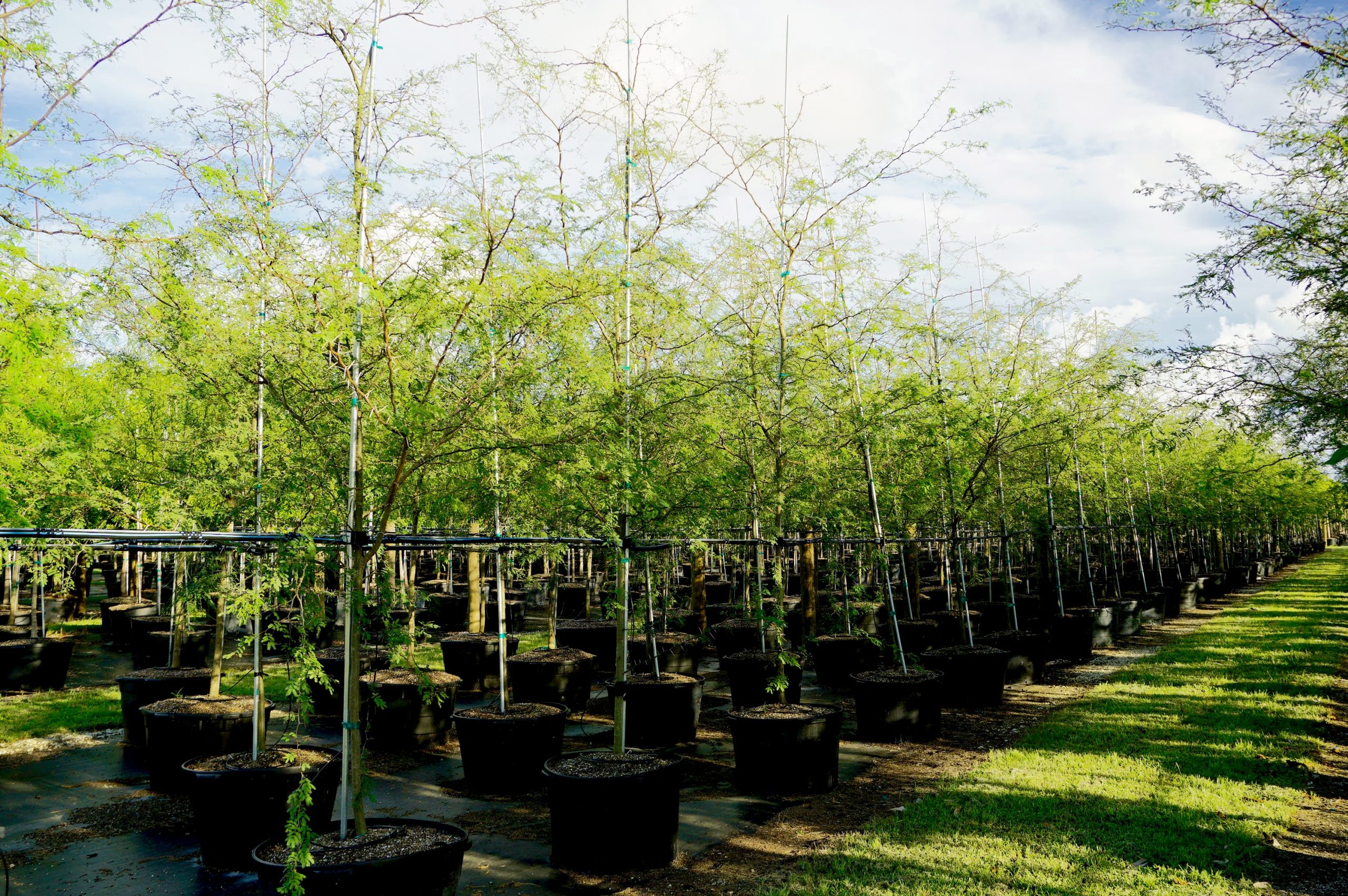
Acacia xanthophloea is a medium to large African tree. It grows quickly but has a relatively short lifespan. The tree can reach 45 to 75 feet in height and develops a semi-spreading, vase-like crown with branches that rise along the trunk. Its smooth bark appears yellowish to greenish and peels slightly.
Although the species name means “yellow bark,” the new twigs often show a purple tinge. The tree produces pairs of straight, white spines, 3 to 4 inches long, at its branch nodes. Its bipinnate leaves are green, up to 4 inches long, and feature a hairy midrib. The flowers form in clusters on slender stalks, creating golden balls of fragrant blooms that attract bees and other insects. In Florida’s warm climate, the fragrant yellow flower clusters attract bees and other pollinators, while the pods provide food for wildlife.
Moreover, the fruits are straight, papery pods that mature to a grayish-brown color. These pods, which range from 2 to 8 inches long, each contain 5 to 10 seeds used for propagation.
Why It’s Called the Fever Tree
Historically, people believed this tree caused malaria because it often grows in swampy, low-lying areas where mosquitoes thrive. Early settlers noticed that fevers occurred frequently near stands of these bright yellow-green trees, and they mistakenly blamed the tree rather than the malaria-carrying mosquitoes. This association earned it the name “fever tree.”
Landscape Uses and Wildlife Value of Vachellia Xanthophloea
The fever tree prefers sandy, well-drained soils and develops a deep taproot, making it a hardy species capable of tolerating frost. In Africa, people grow it for timber and fuel. In landscapes, it serves as a well-shaped decorative tree with feathery foliage and colorful flower clusters. You can also use it as a street tree, a specimen, an accent feature, or for boundary plantings.
Landscape Applications in Florida
In Florida landscapes, Vachellia xanthophloea stands out as a striking ornamental tree thanks to its luminous yellow-green bark and sculptural, thorny branches. Its vivid trunk color catches the light beautifully, especially at sunrise and sunset. Giving gardens and public spaces a strong focal point. Because it grows quickly and forms an airy, feathery canopy, it introduces a light, open texture that contrasts well with denser native species.
It works especially well in modern and minimalist designs, where its clean, upright form and dramatic bark provide a sculptural presence. It also fits savanna-inspired themes, as the yellow bark and fine foliage echo the look of East African landscapes.
Other names: syn. Vachellia Xanthophloea
🌳More popular and beautiful plants: Blue Mahoe tree