

Description
What is Banyan Tree?
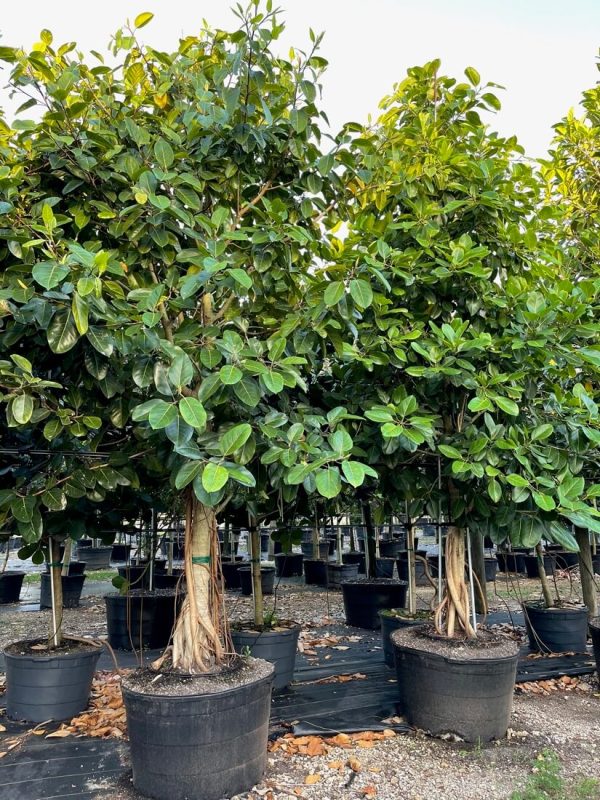
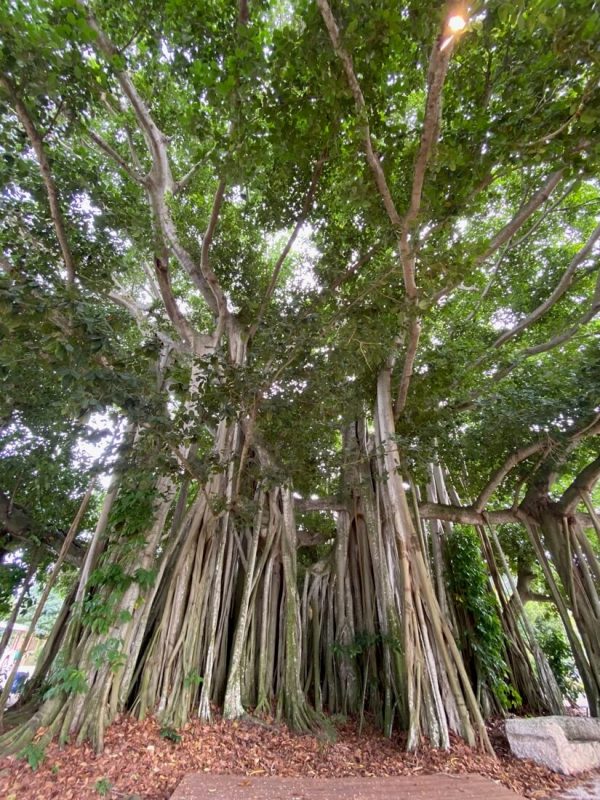
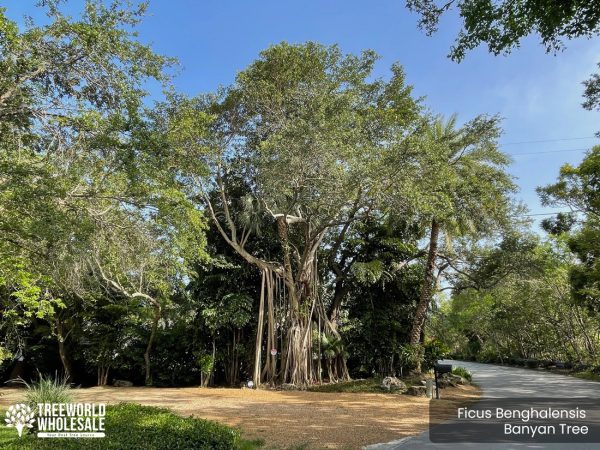
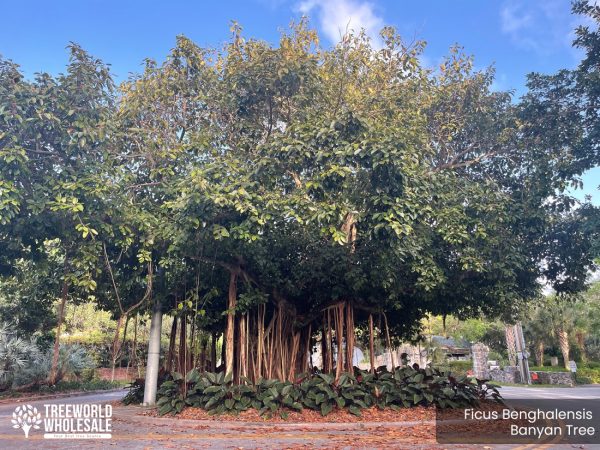
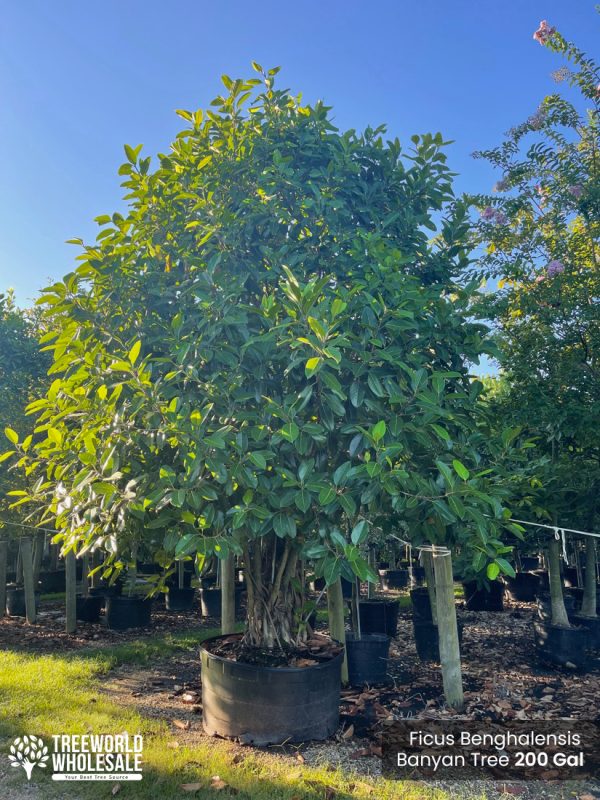
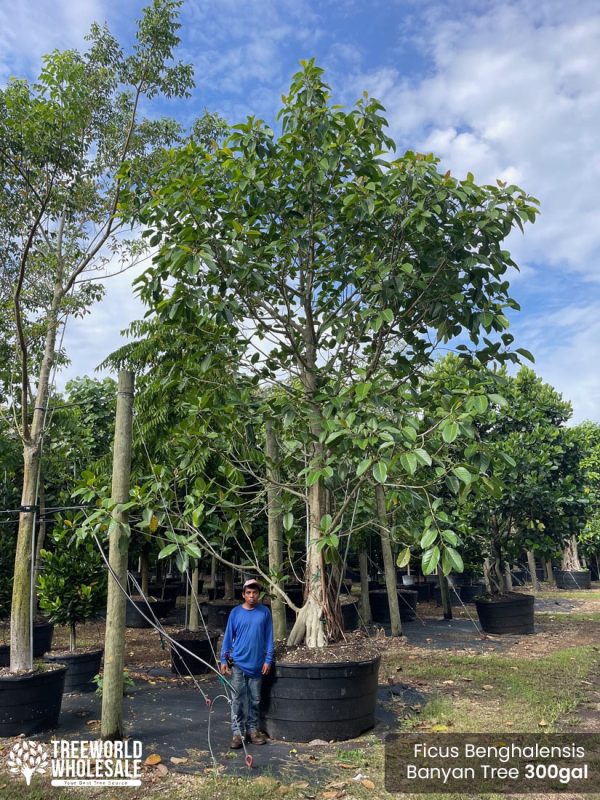
Ficus Benghalensis (Banyan Tree) is a massive species known for its extraordinary height and expansive spread. In fact, it holds the record for the largest canopy of any tree in the world. For example, a mature banyan can reach 100 feet in height, and its canopy can extend up to 300 feet, supported by massive limbs and distinctive prop roots.
What does Ficus Benghalensis look like?
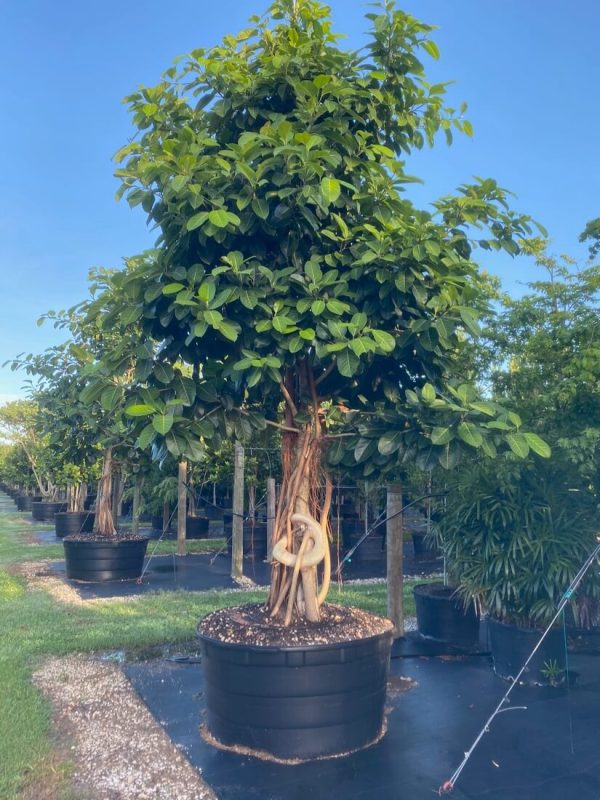
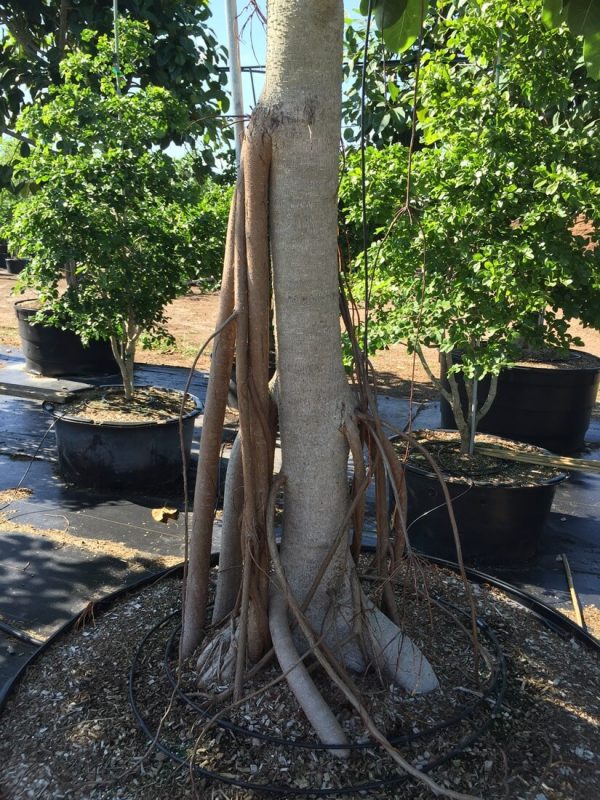
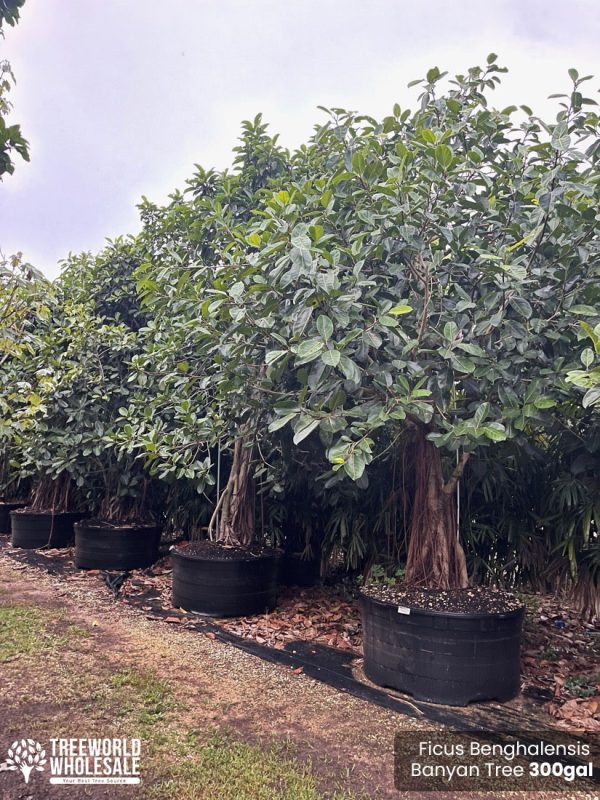
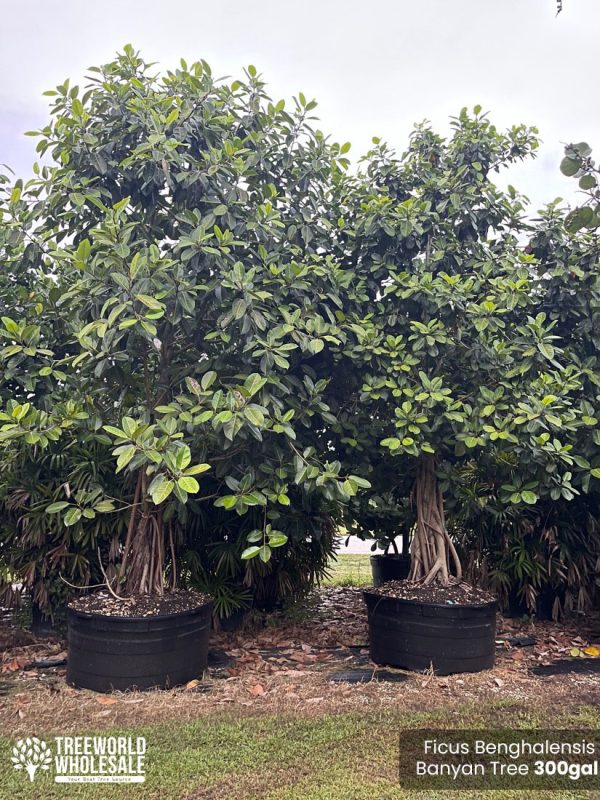
The banyan begins life as an epiphyte on a host tree, typically after birds deposit its seeds. As it grows, its aerial roots reach the ground and form separate but connected trunks. Over time, these numerous new trunks create the appearance of a small forest.
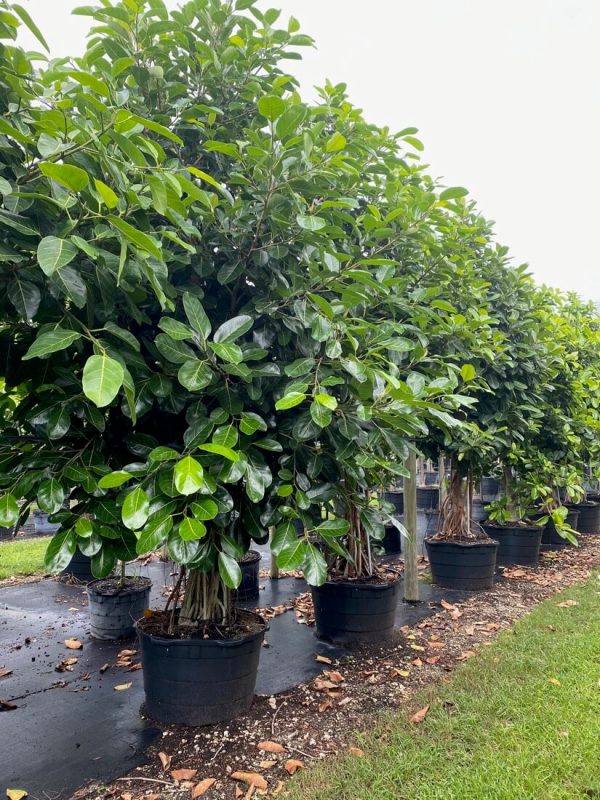
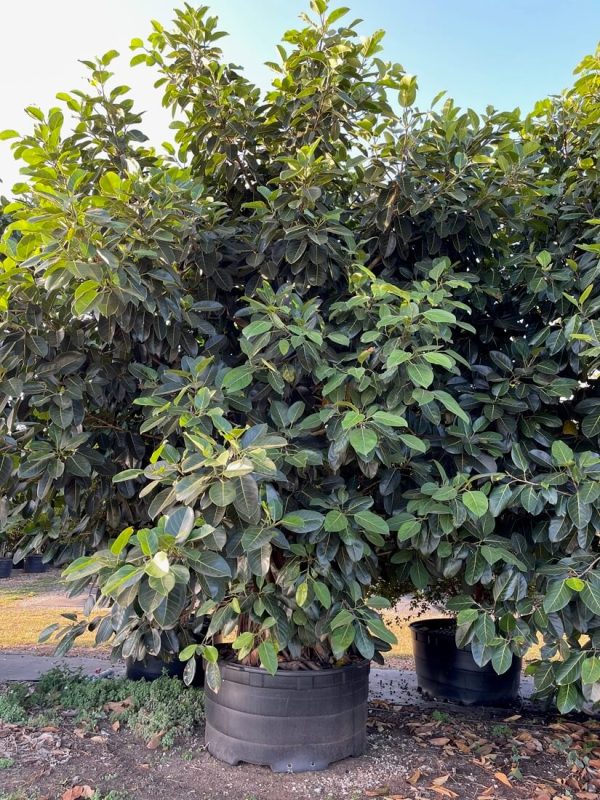
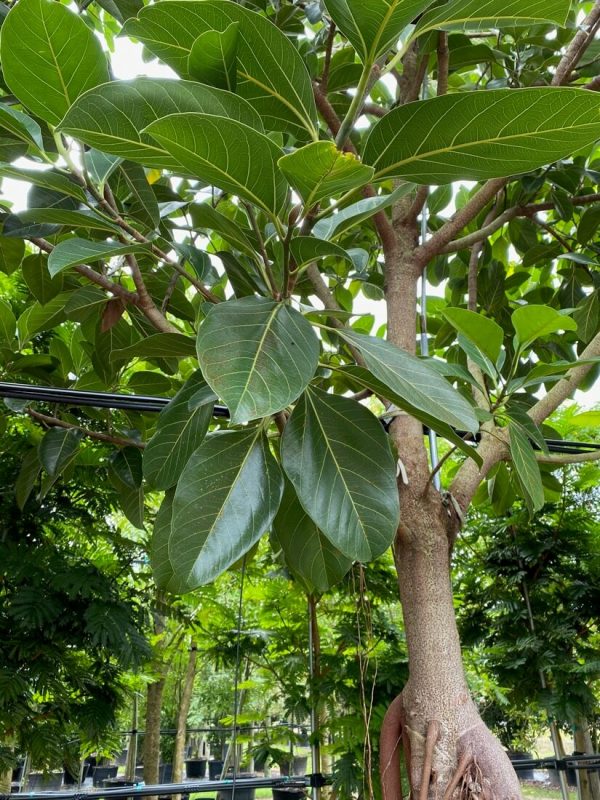
Meanwhile, the tree develops an irregular crown with dense foliage. Its leaves are leathery, ovate, shiny green, smooth on the upper surface, velvety below, and typically 5 to 10 inches long.
What flowers and fruits does Banyan Tree have?
- The flowers are borne in pairs, yellow in color but inconspicuous. Moreover, the flowers are pollinated by specialty wasps.
- Fruits are cherry-sized, pink to red, globose, downy and edible, containing numerous very small seeds. The fruits attract birds which disperse the tiny seeds. All parts of the plant have a milky latex.
How to use Ficus Benghalensis in landscaping?
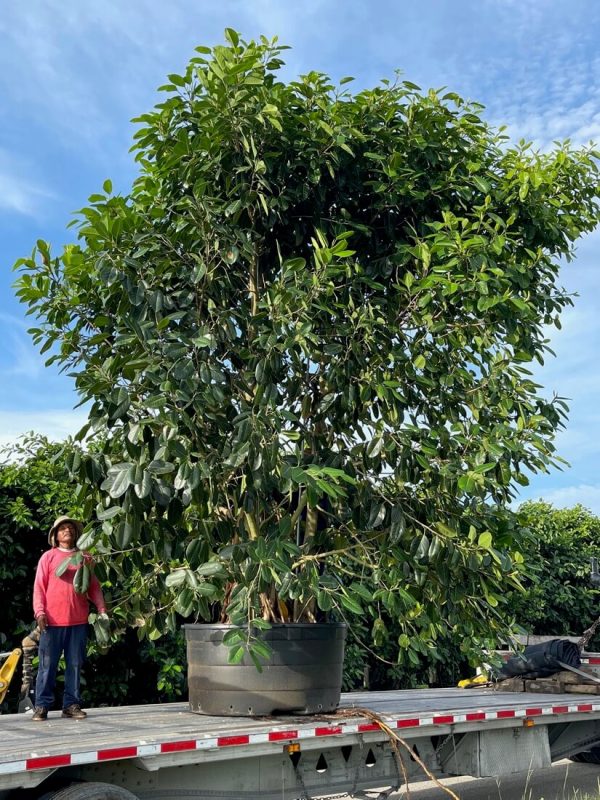
In Asia Ficus Benghalensis (Banyan Tree) has numerous medicinal uses and is considered a sacred tree. Propagation is by seed or cuttings. Banyan will grow on most any soil type, dry to wet. It is best grown as a container plant so its growth can be managed. In the ground it is only practical to cultivate it in a large park or botanical garden. The tree produces a considerable amount of litter.
Read our guide on Ficus Trees: Beauty and Versatility and find the best species for your lifestyle!
 24605 SW 192 Ave., Homestead, FL 33031
 info@treeworldwholesale.com
 305-245-6886
🌳Other popular and beautiful plants: Ficus Aurea.