




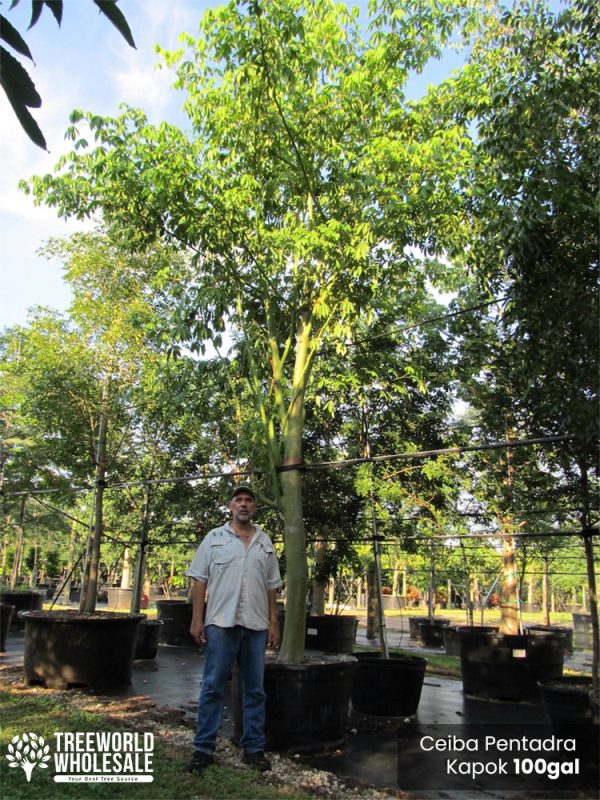
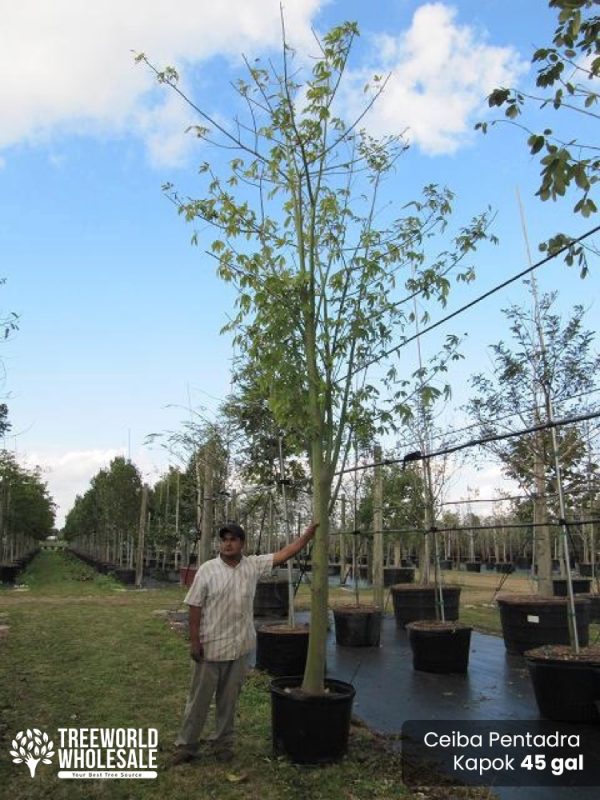
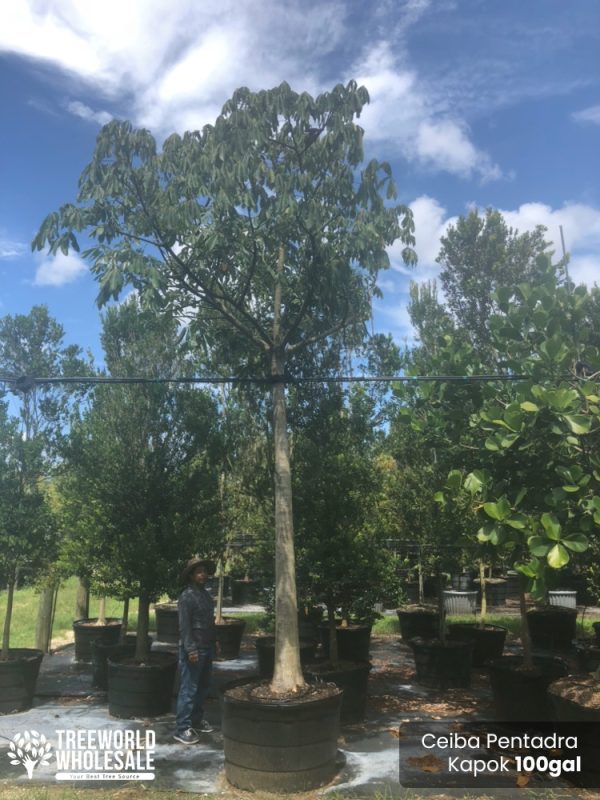
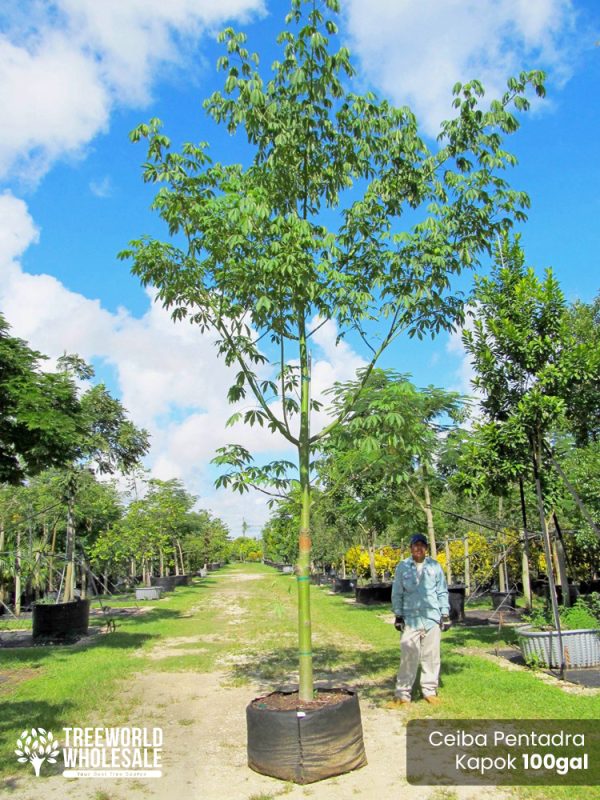
Description
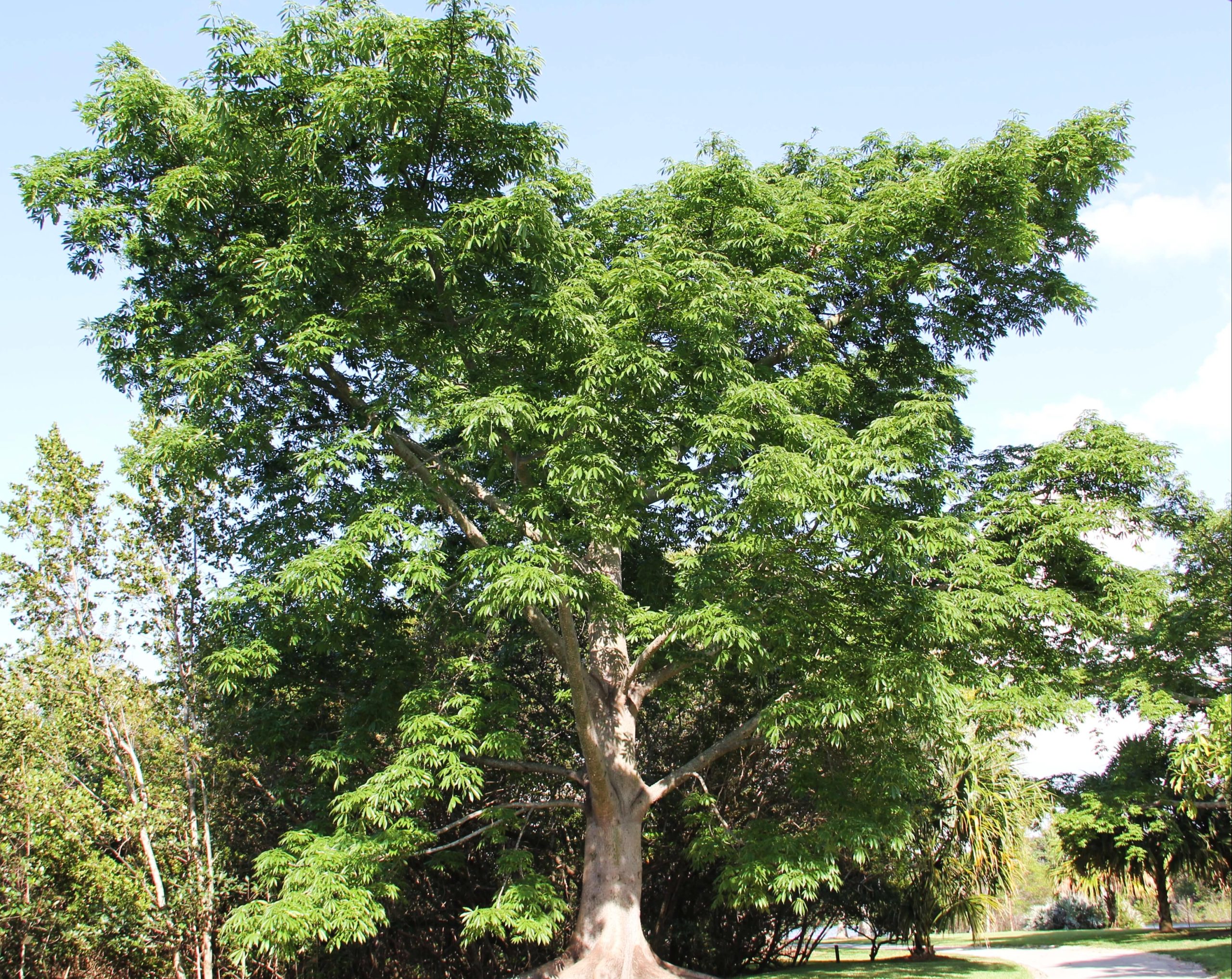
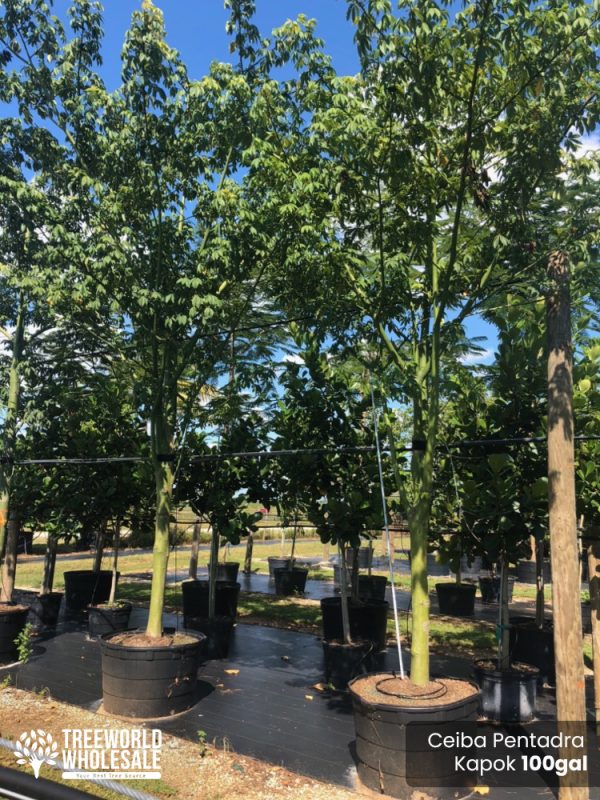
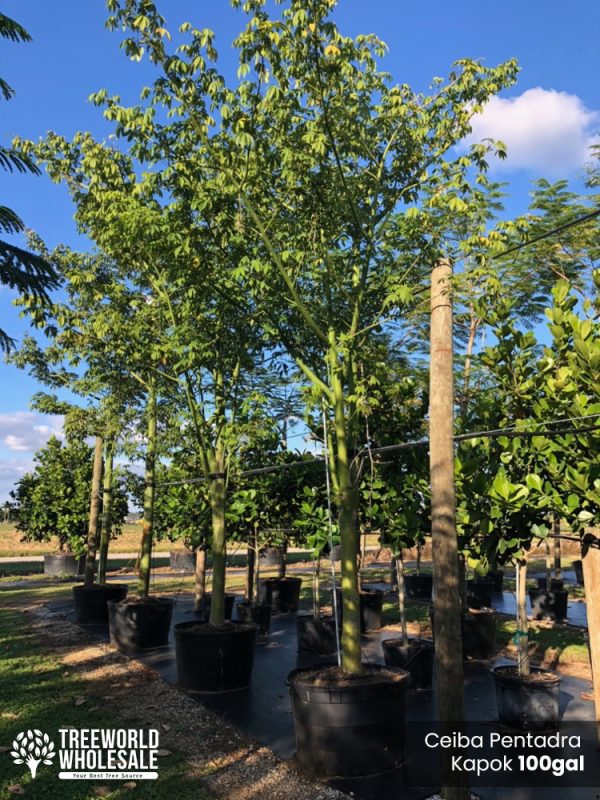
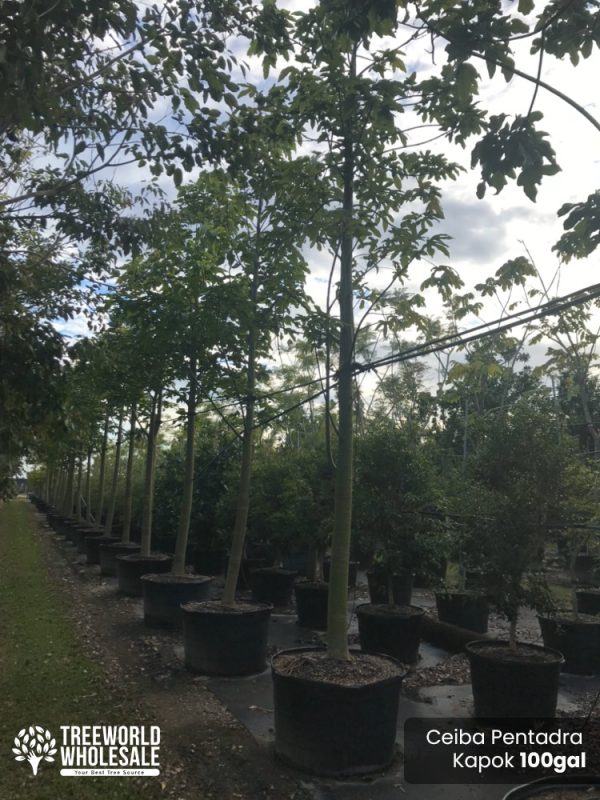
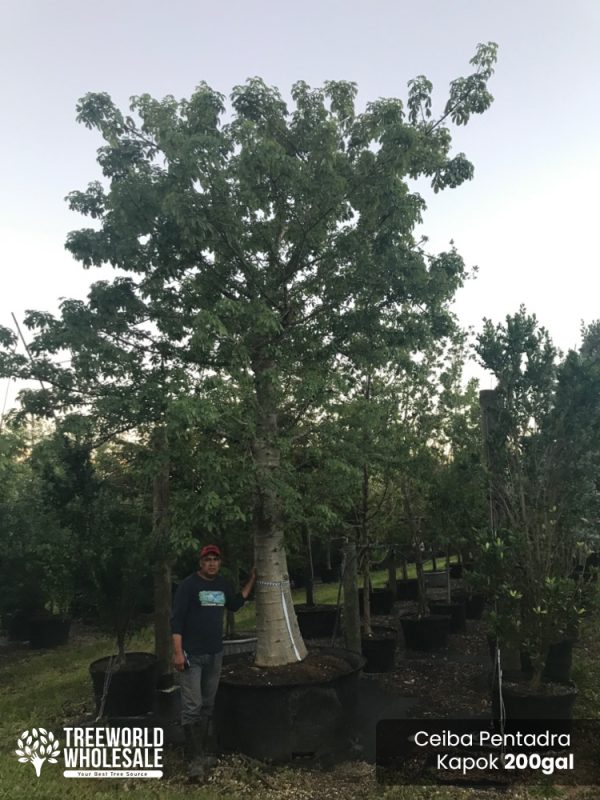
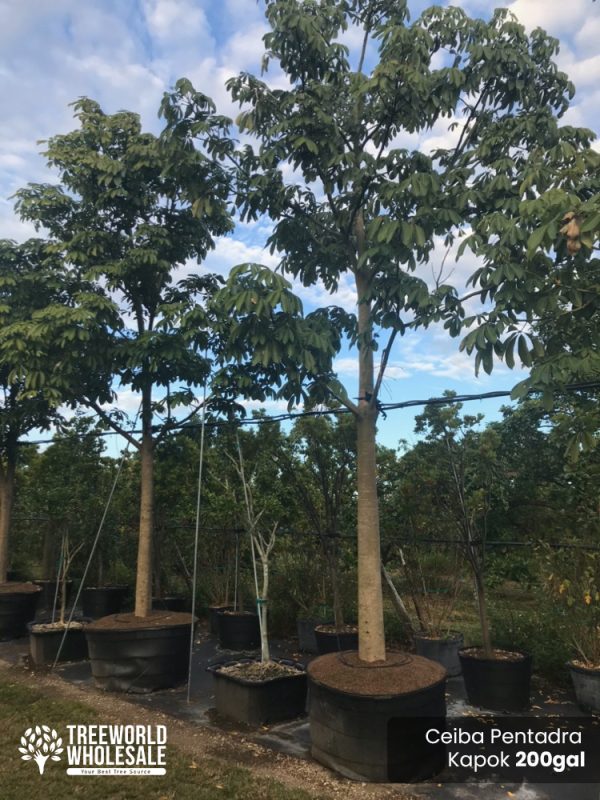
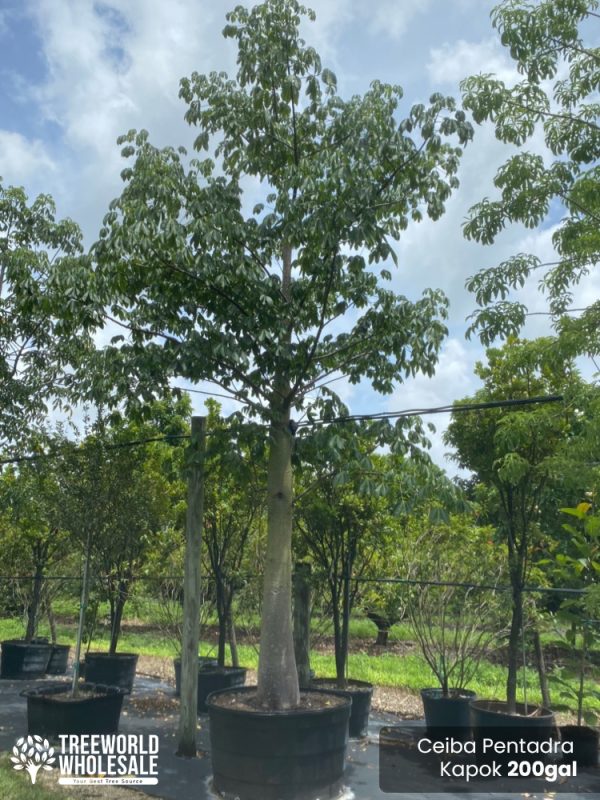
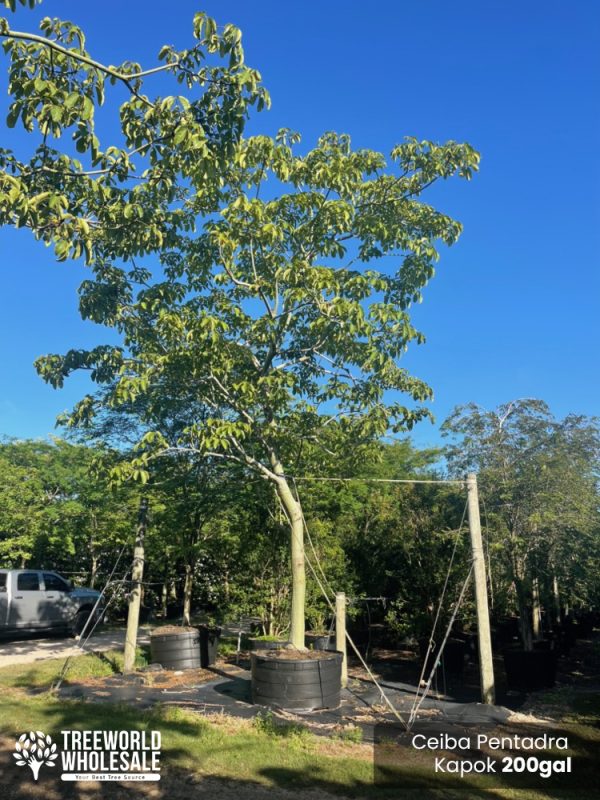
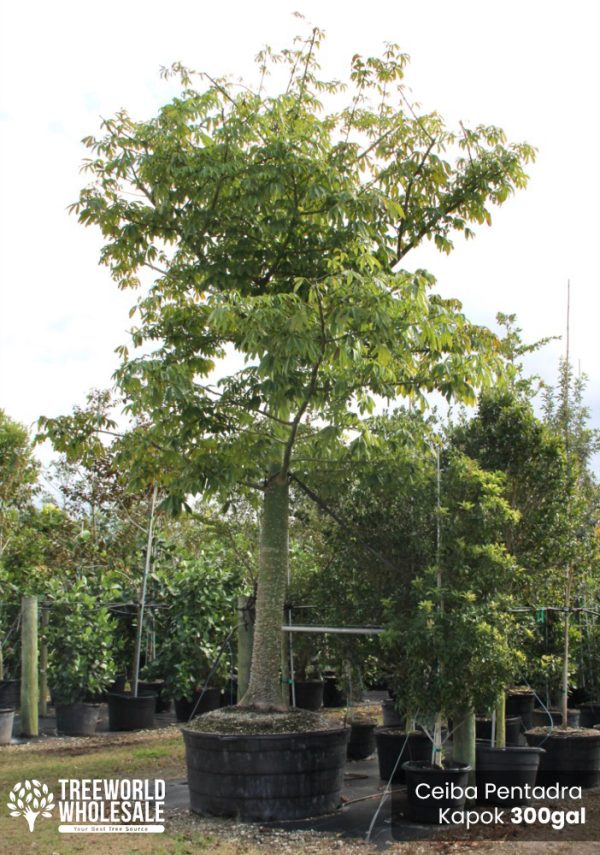
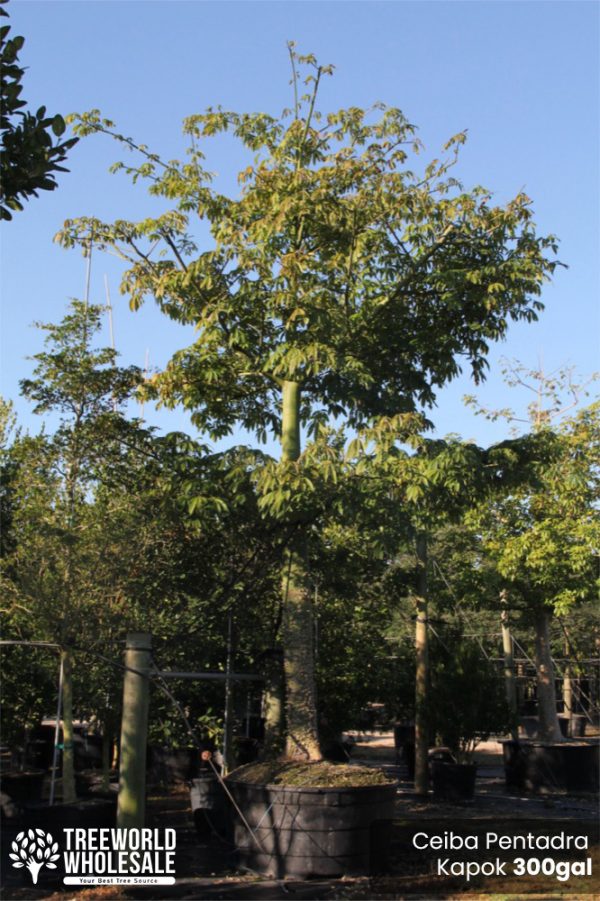
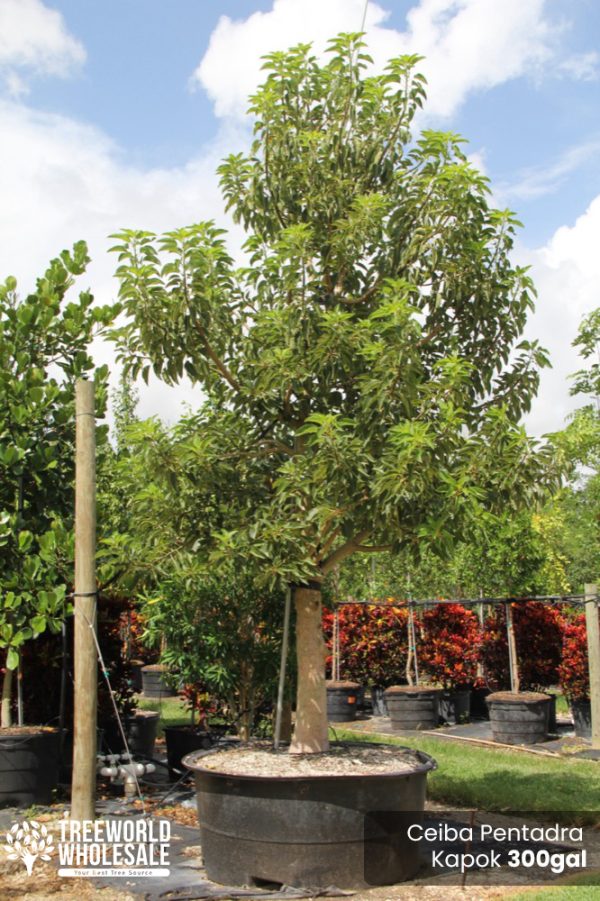
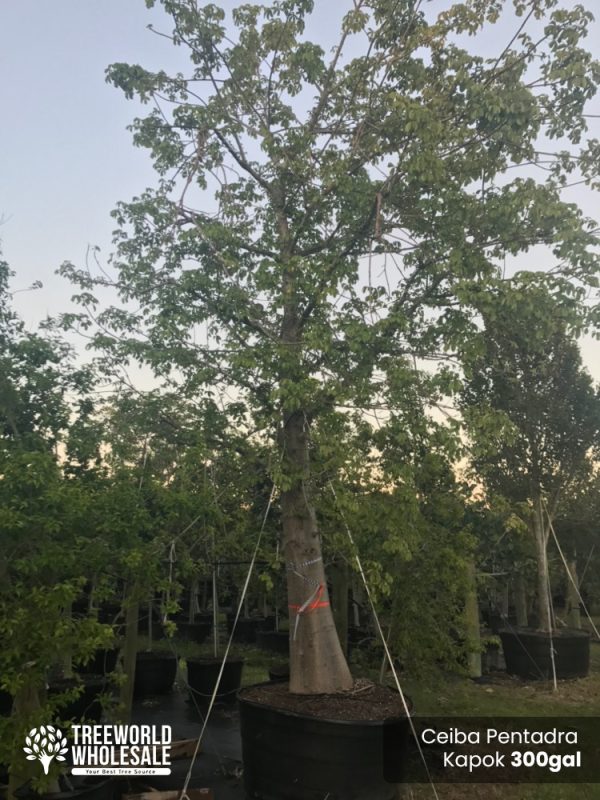
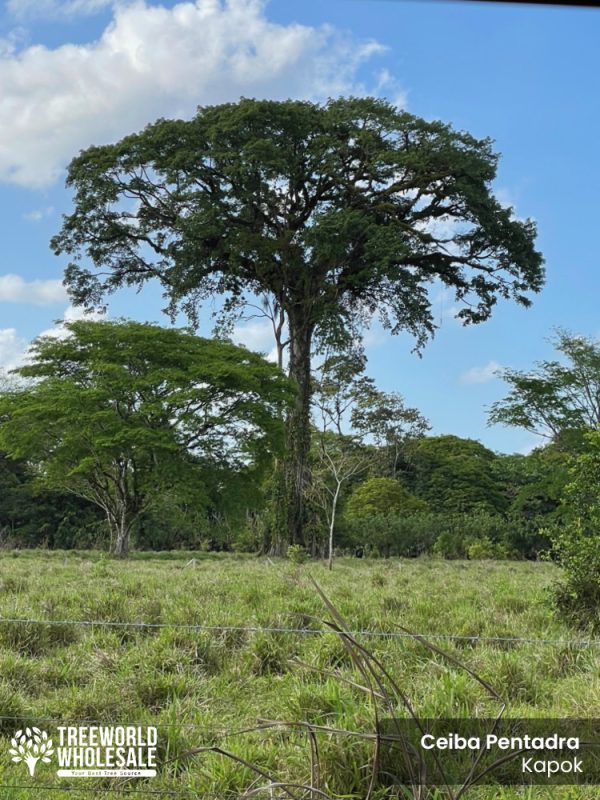
Ceiba Pentandra (Kapok tree) is one of the giants of the tropical forest. Its common name derives from the Malayan word for the tree and the silky fiber it produces. Also known as the Silk Cotton tree, it is one of the largest trees in the Americas and a landmark specimen wherever it grows.
Ceiba Pentandra – Tree Description
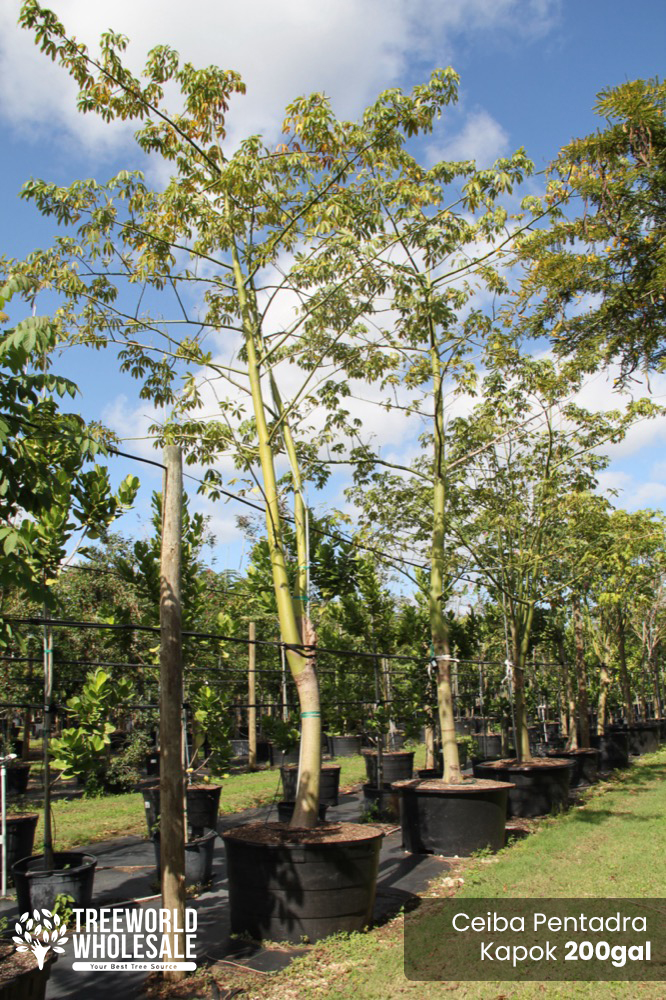
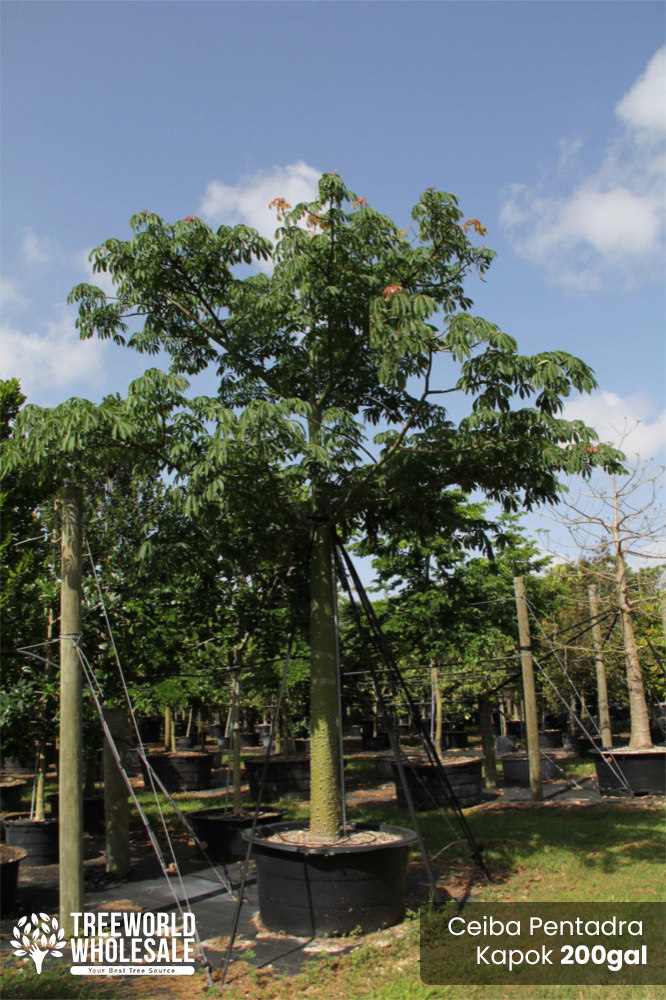
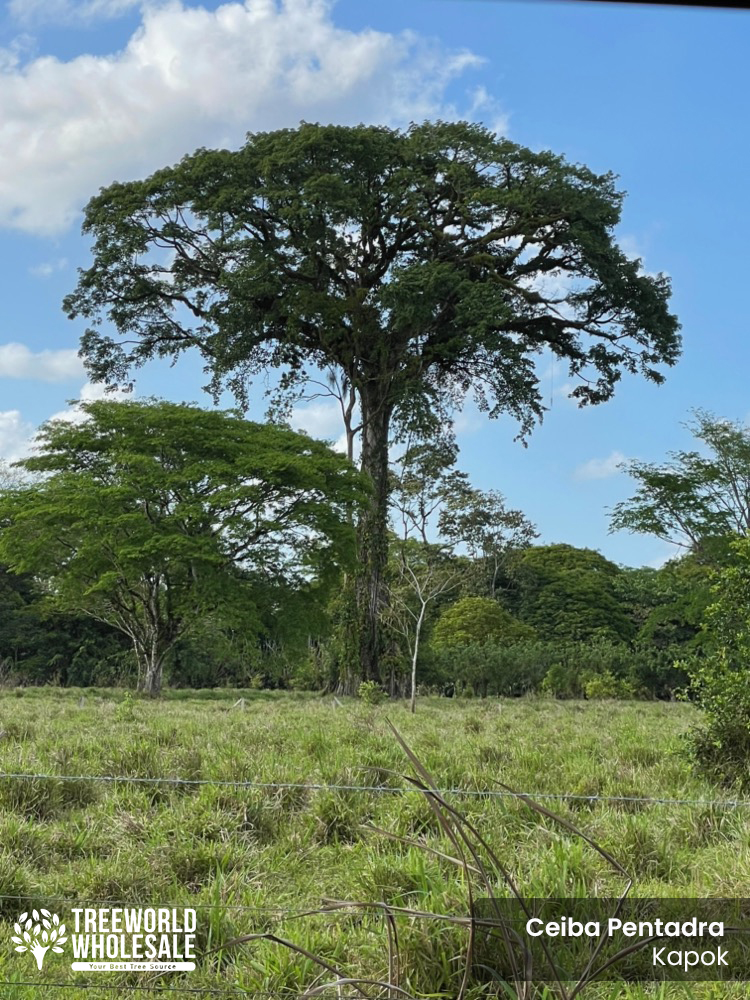
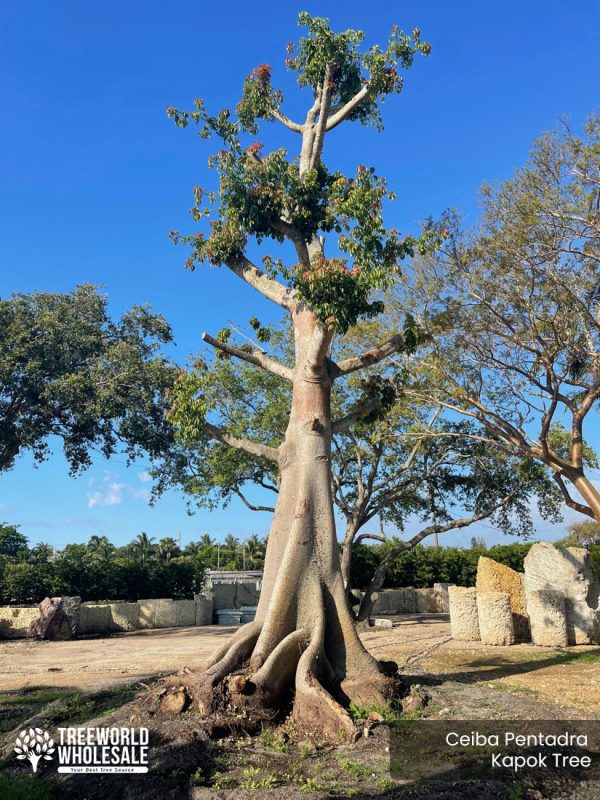
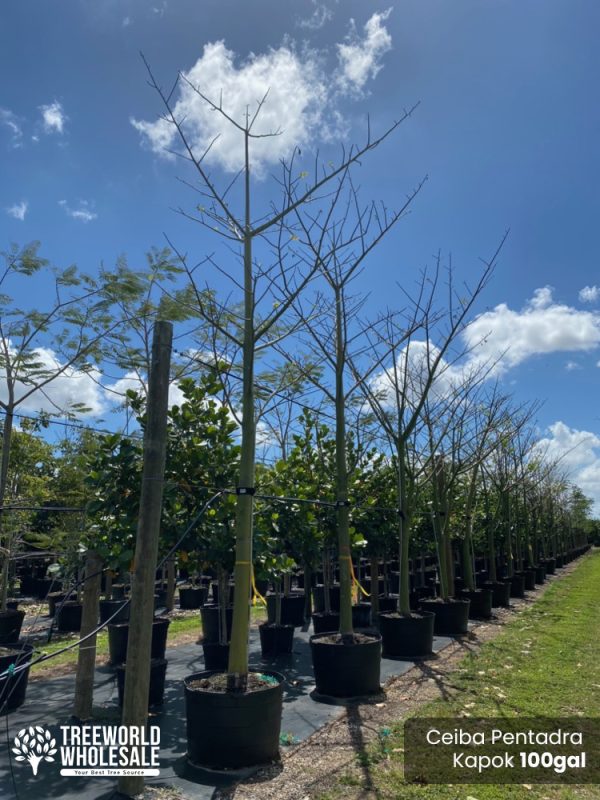
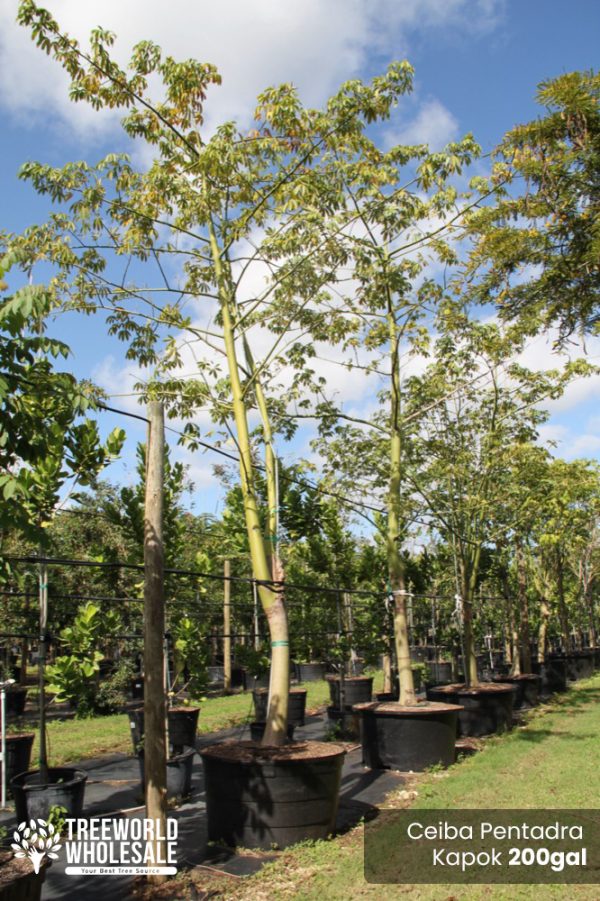
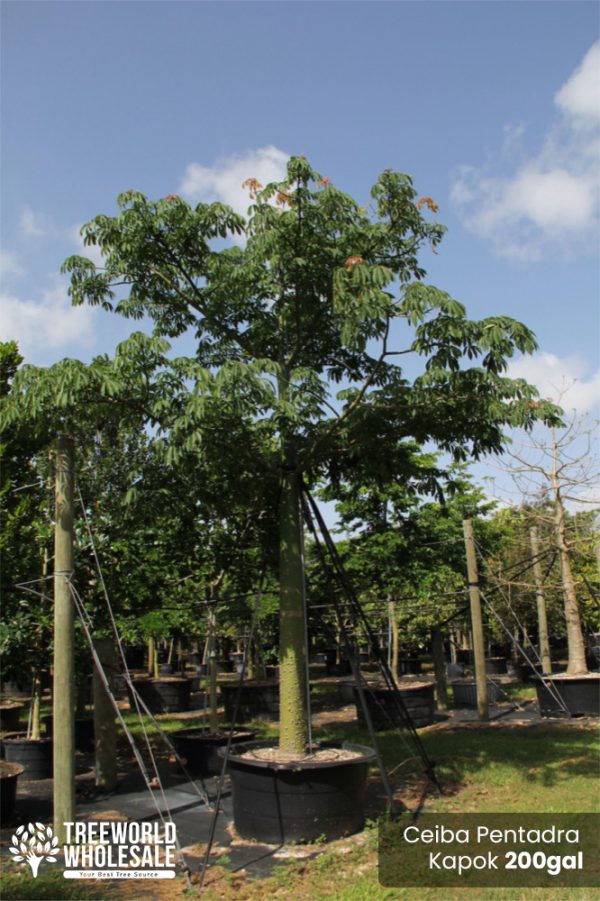
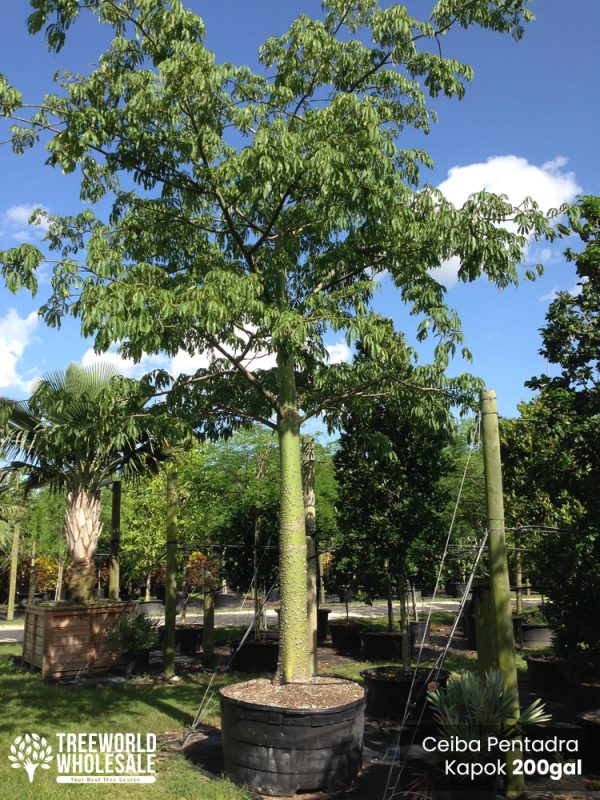
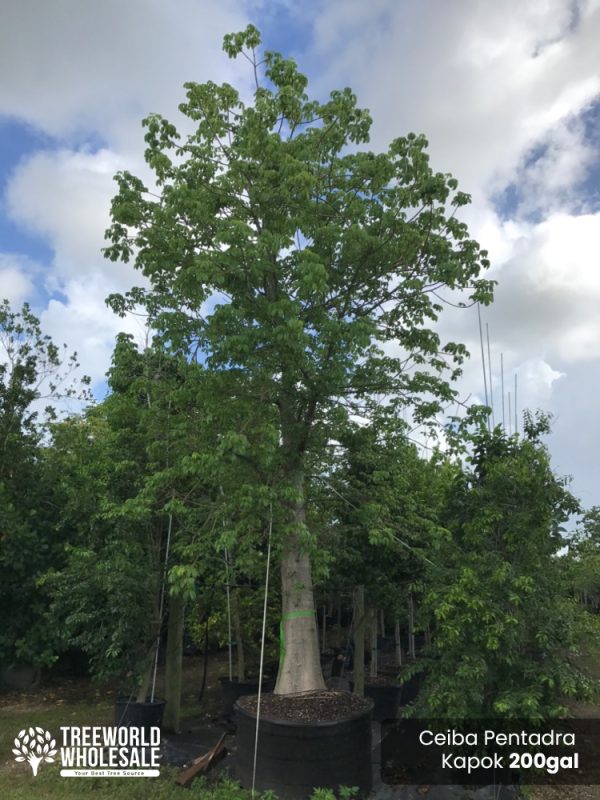
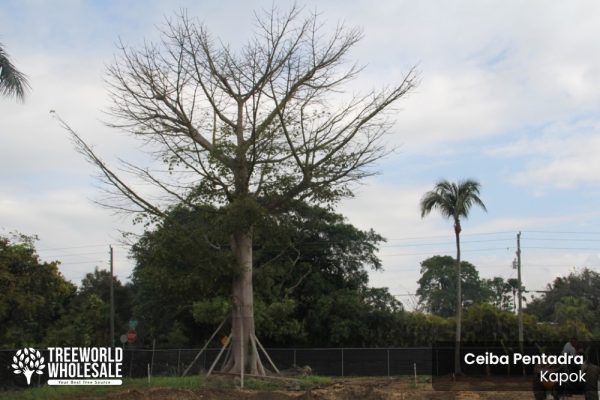
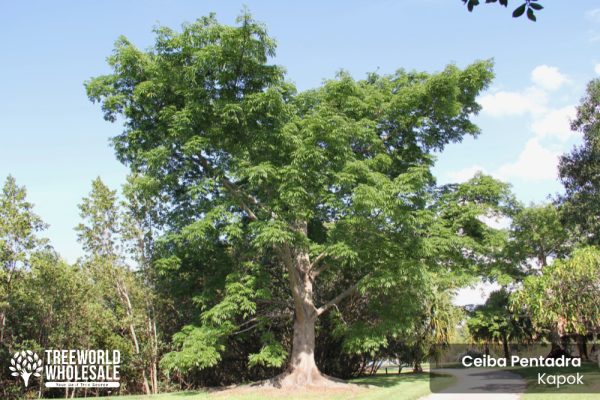
The Kapok tree reaches heights of over 200 feet, with a heavy buttressed straight trunk. The bark is brown, silvery, or green with conical spines. Large horizontal branches emerge high on the trunk, giving the crown a distinctive flat appearance. Leaves are palmate, up to 8 inches long, with 5 to 9 entire leaflets.
Ceiba Pentandra is deciduous during the dry season, when male and female flowers are borne near the branch ends. The whitish-yellow or pink flowers are small, numerous, and fragrant, attracting bats, bees, and birds as pollinators. The fruit is an elongated woody capsule up to 8 inches long; when ripe it splits open to release the silky kapok fiber — buoyant, water-repellent, and historically used as stuffing for life jackets and mattresses. Seeds and leaves are edible.
Kapok Tree – Landscape Use & Cultivation
The Kapok tree produces extremely light wood and tolerates a wide range of soils. It is xerophytic, has only moderate nutritional requirements, and presents no serious insect or disease problems. Propagation is by seed or cuttings.
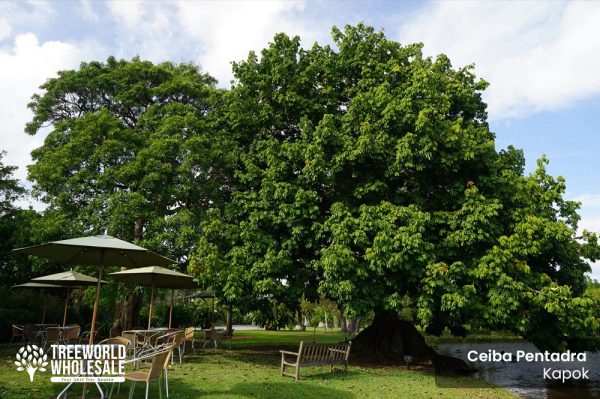
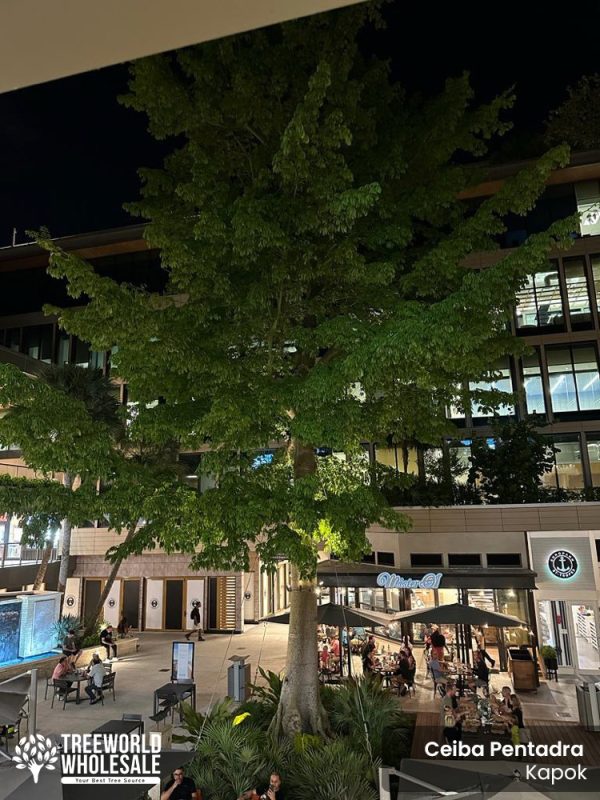
Ceiba Pentandra is a spectacular specimen tree suitable for large open areas, public parks, and seaside locations. Due to its exceptional size it is not suited to small or medium gardens. For a closer look at what it takes to plant and establish a mature Kapok tree, see our story about welcoming the Ceiba to TreeWorld.
🌳 Other popular and beautiful plants: Bombax Ceiba – Red Silk Cotton Tree