

Adansonia digitata (African Baobab): Uses, Benefits, and Properties
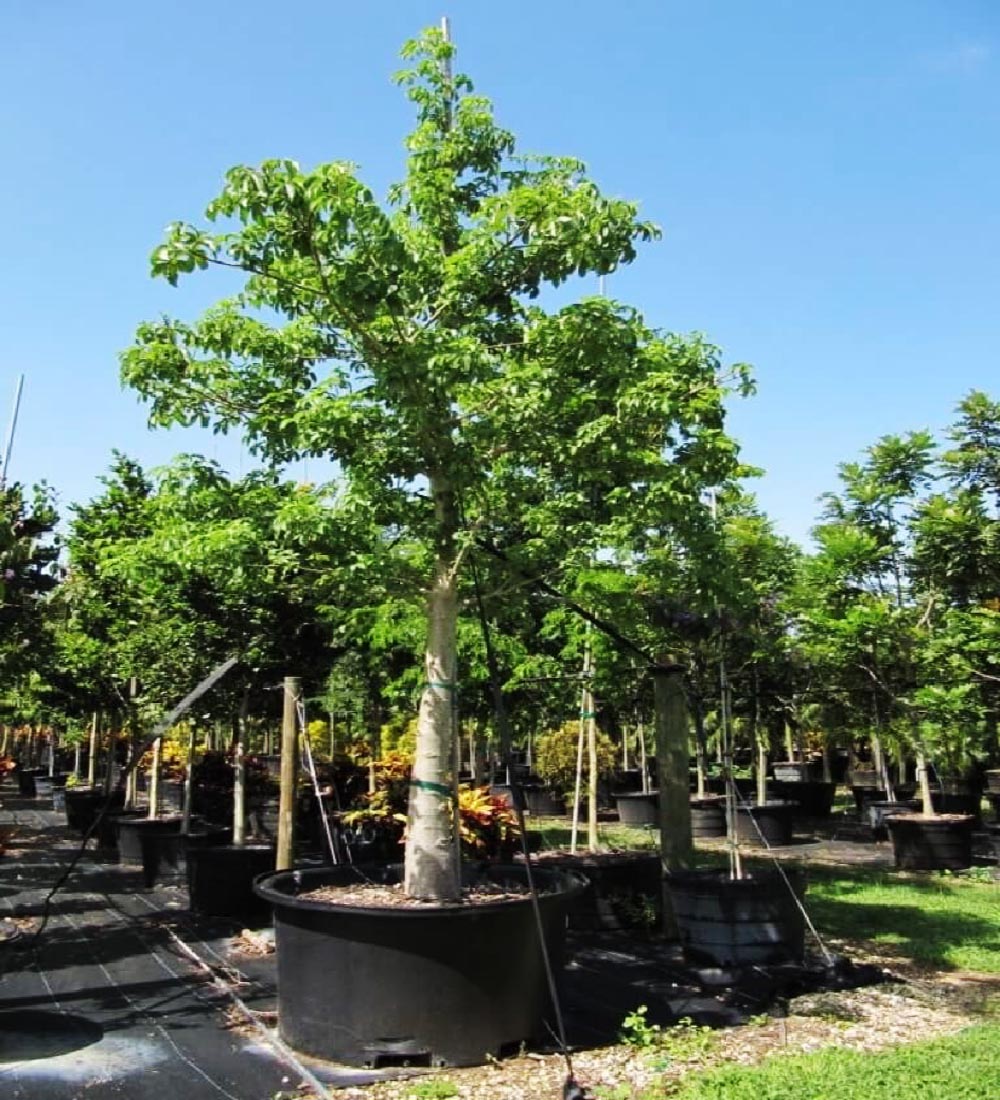
The African Baobab (Adansonia digitata) is one of the most valuable and versatile trees in the world. Known for its resilience and long lifespan, the baobab offers numerous nutritional, medicinal, and practical benefits. One of its most remarkable features is its ability to store thousands of liters of water, allowing it to survive in extremely dry climates.
The baobab fruit is rich in fiber, antioxidants, and essential nutrients, making it an important food source in many regions. In addition, the tree’s bark is traditionally used to make rope and paper, while its leaves are commonly used in cooking.
Medicinal Uses of African Baobab
The African Baobab plays an important role in traditional medicine. People commonly use it to:
-
Support joint health
-
Help regulate menstrual cycles
-
Ease symptoms associated with menopause
-
Boost energy and strengthen immunity
-
Help regulate blood pressure
-
Improve digestion and intestinal health
-
Support respiratory function
-
Reduce fever
The bark of Adansonia digitata contains an alkaloid called adansonin, which traditional medicine has used as an antidote for certain poisons.
Culinary Uses of Baobab Fruit and Leaves
Baobab fruit, though slightly tart, is highly nutritious and commonly used to prepare refreshing beverages and natural supplements. Its pulp is especially valued for its high fiber content. The leaves are good in soups and stews, while the seeds work to produce baobab oil, widely used in cooking and cosmetics.
Why the African Baobab Matters
The African Baobab stands out for its nutritional value, medicinal benefits, drought tolerance, and ecological importance, making it one of the most remarkable trees in the world.