
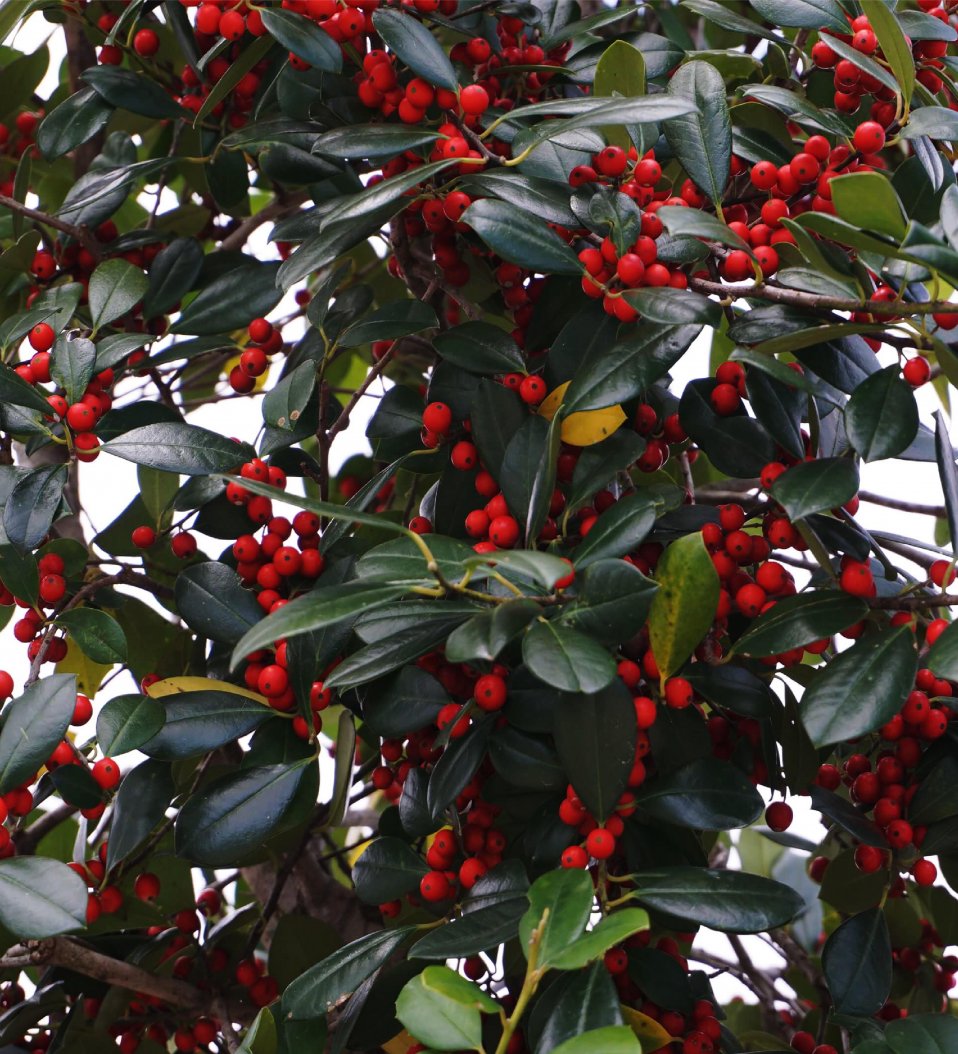
Trees produce flowers which develop into fruits containing seeds, as their major means of reproduction. Certain tree types may also reproduce by root or trunk shoot cuttings, as well.
Difference Between Fruits and Seeds
The terms “fruit” and “seed” are often used interchangeably, even within the nursery trade. An easy way to remember the difference is this: fruits, whether fleshy, woody, or cone-like, contain seeds. In some cases, such as the avocado, the fruit holds a single large seed. In contrast, a single giant redwood cone can contain around 60 seeds.
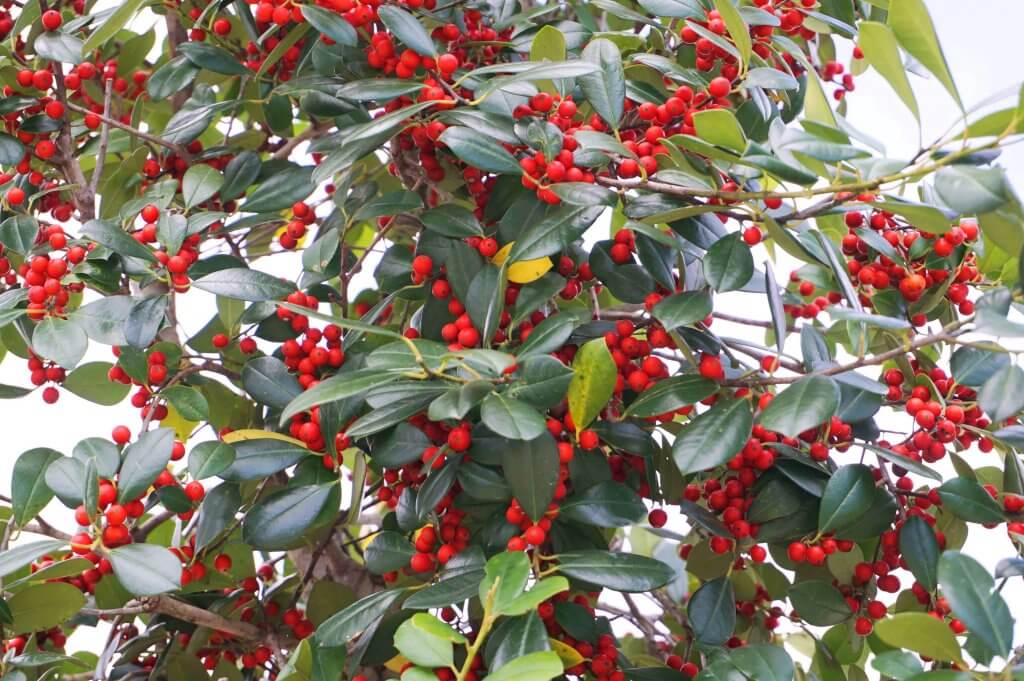
How Do Trees Reproduce?
A seed is an embryonic plant that contains stored food to support early growth, all protected by a seed coat. Once mature, seeds may fall to the ground and germinate beneath the parent tree, or they may disperse through gravity, wind, water, or animals to establish in new locations.
Because many animals feed on seeds, only a small percentage survive long enough to germinate. For this reason, trees produce large quantities of seeds to increase the chances of successful reproduction. Some species even develop toxic seed coats to discourage animals from eating them. Many of the nuts we commonly eat. Such as walnuts, pecans, almonds, and cashews are tree seeds. Decorative items like necklaces and bracelets are also often made from visually striking seeds.
In tropical and subtropical regions, trees typically produce seeds that germinate quickly, without a dormant period. In contrast, trees in temperate and colder climates produce seeds that must overwinter. These seeds remain dormant until environmental cues—such as temperature changes or increased moisture in spring trigger germination.
How to Grow a Tree from Seeds
Gardeners who wish to grow trees from seed must first understand the reproductive traits of the species they plan to propagate. If a tree is monoecious, meaning it bears both male and female flowers on the same plant, the resulting seed will often produce a tree similar to the parent because self-pollination can occur. In contrast, dioecious trees have male and female flowers on separate plants, requiring cross-pollination. As a result, seedlings from these trees may not closely resemble either parent and instead show a combination of traits.
The ability to store seedlings plays an important role in both agriculture and conservation. Subsistence farmers often save seeds from each year’s harvest to plant the following season, while conservation scientists store seeds in seed banks to help protect endangered species from extinction. Seed specialists classify seeds as either orthodox or unorthodox. Orthodox seeds can remain viable for long periods when stored in dry, cool conditions. Unorthodox seeds, however, cannot withstand drying or long-term storage. Many tropical tree species produce unorthodox seeds, making long-term preservation more challenging.
When seeds cannot be stored successfully, conservation efforts rely on living collections. In these cases, trees are preserved in protected environments such as botanical gardens or conservation groves, where living plants serve as a safeguard against extinction in the wild.
TreeWorld Wholesale
At TreeWorld we have gained considerable practical experience in collecting and handling seeds. Their germination and growth in the greenhouse and nursery. To add new species to the tree list, it is necessary to obtain seed from outside wild or cultivated sources. But once in our collection, when the trees mature, we can collect and utilize our own seed to maintain inventory.
If you have any question contact us.