
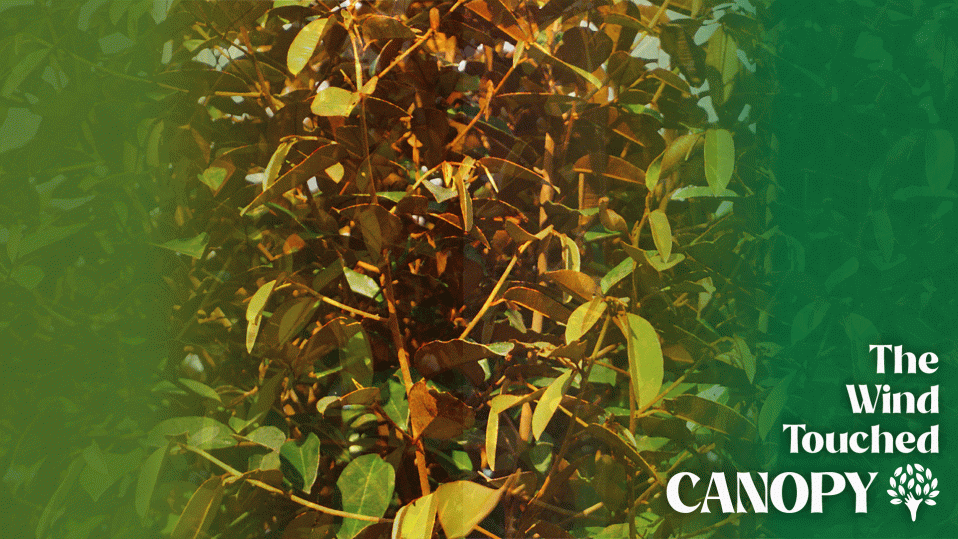
Before diving into species and design strategies, pause to appreciate why natural two-tone trees (foliage) feels so magical. There’s something undeniably emotional about it. When the wind lifts a leaf just enough to flash a copper underside or a silvery shimmer, it creates a moment that feels almost familiar. Like a memory you can’t quite place.
The Magic of Two-Tone Foliage: A Florida Kind of Nostalgia
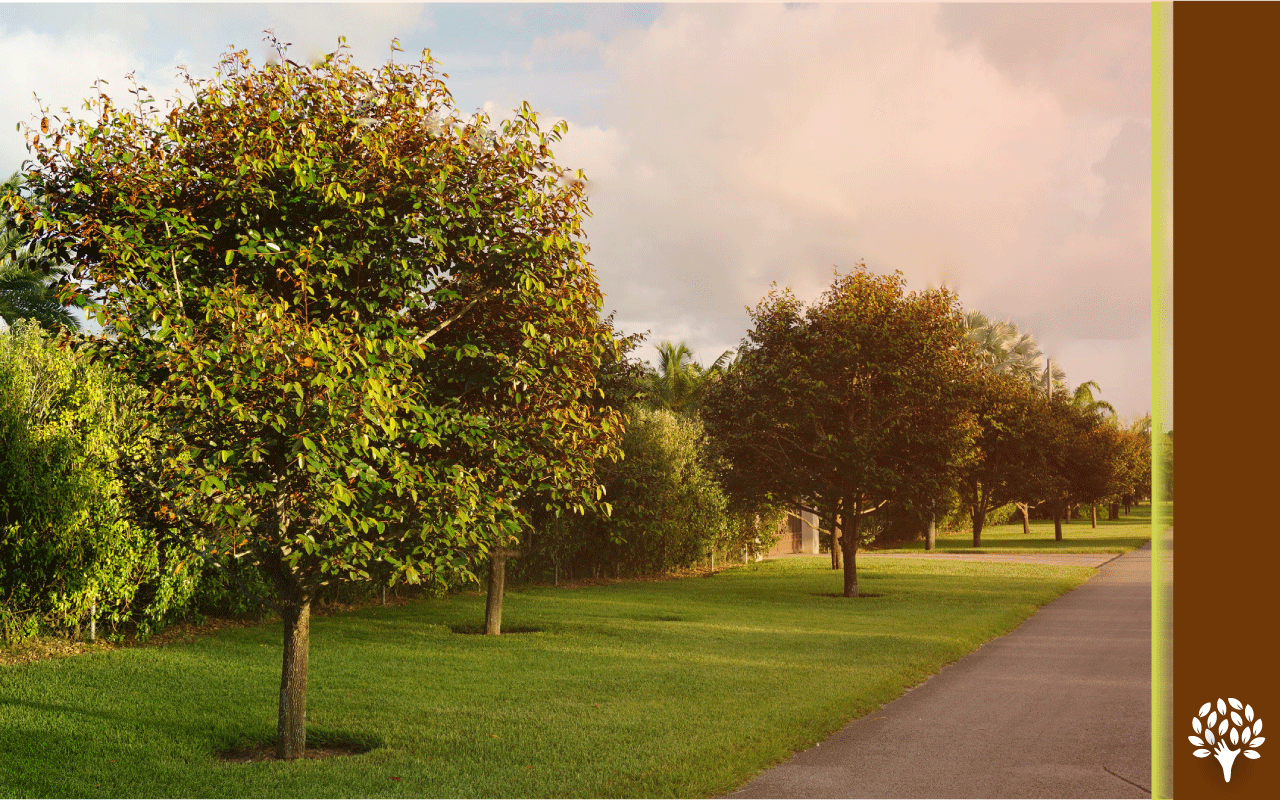
In most of the country, nostalgia comes from fall: shifting leaves, cool air, and color stories that signal seasonal change. In Florida, we experience that quiet beauty differently. Our landscapes don’t erupt in reds and golds once a year. Instead, they whisper color through movement. The breeze along a beachfront, warm light glancing off contrasting leaf tones, the subtle shimmer from a swaying canopy above you.
Two-tone foliage connects us to these moments. It reflects the softness of a coastal breeze on your skin and evokes serenity, comfort, and timelessness. Florida designers rely on these qualities when creating spaces that feel grounded yet alive. Two-tone trees speak a visual language through light, texture, and the poetry of movement.
Satinleaf: Florida’s Shimmering Native Two-Tone Tree
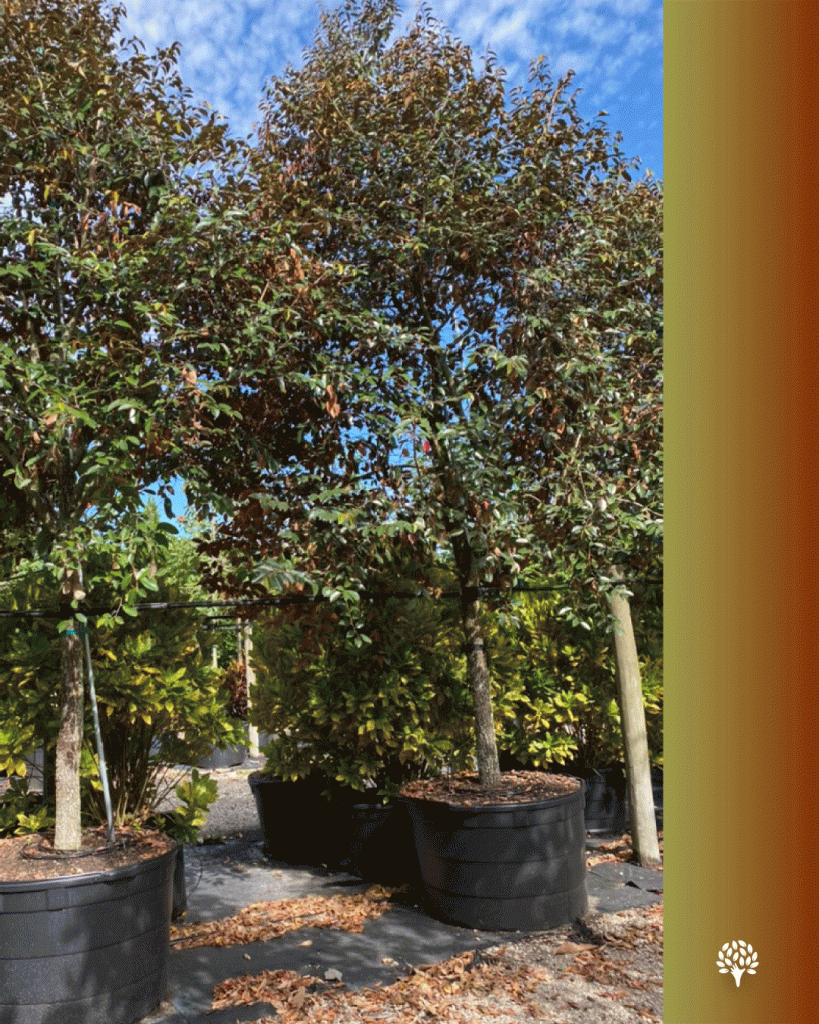
Among trees that play with light and movement, Satinleaf (Chrysophyllum oliviforme) stands apart. It embodies everything we love about two-tone foliage: contrast, elegance, and subtle wonder.
A Classic Two-Tone Tree
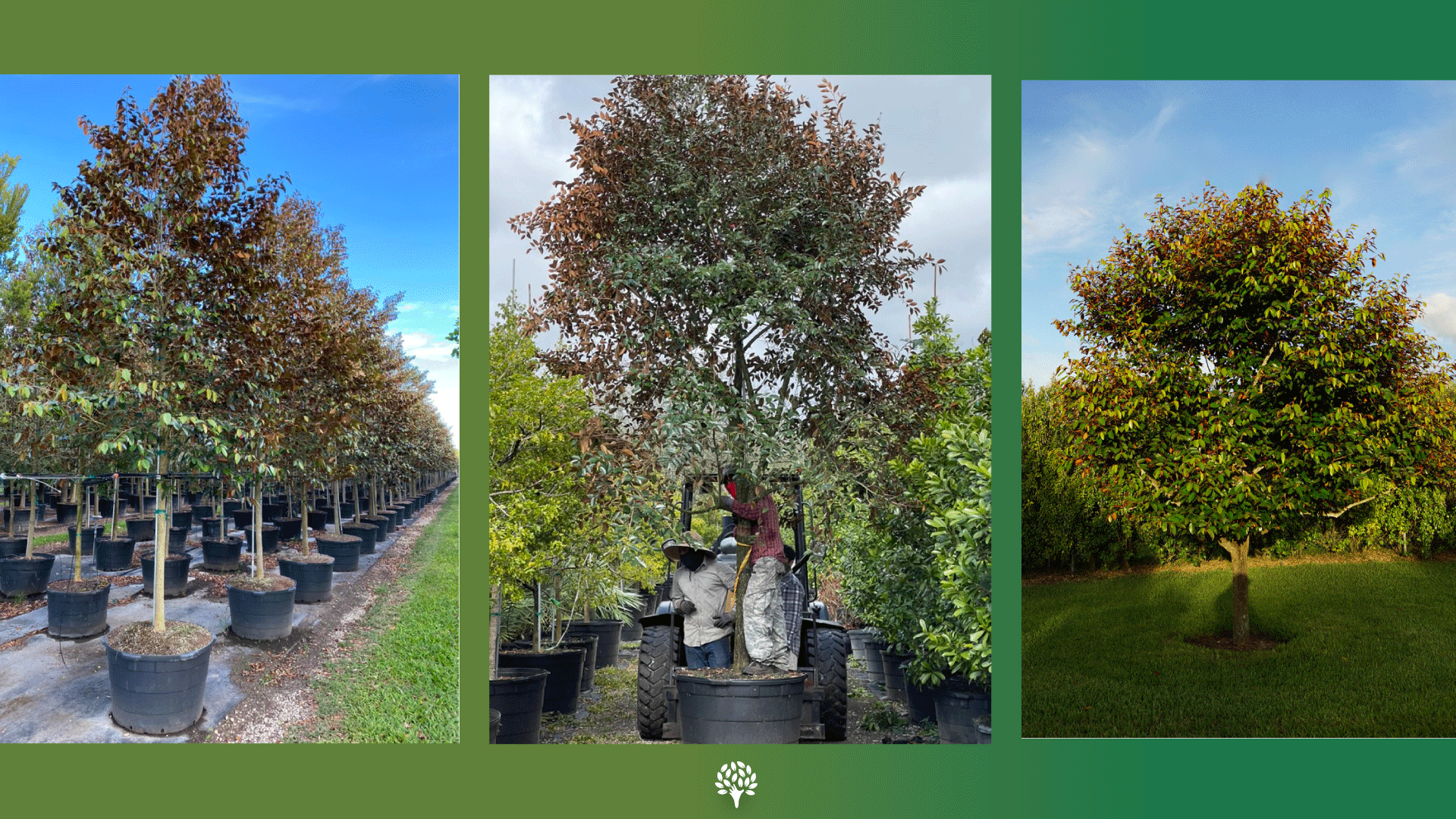
At first glance, its canopy looks deep green, refined, glossy, and consistent. But when the leaves lift, Satinleaf reveals its coppery, metallic undersides. In motion, this tree almost sparkles, shifting between bronze and forest green. Movement becomes color. Texture becomes emotion.
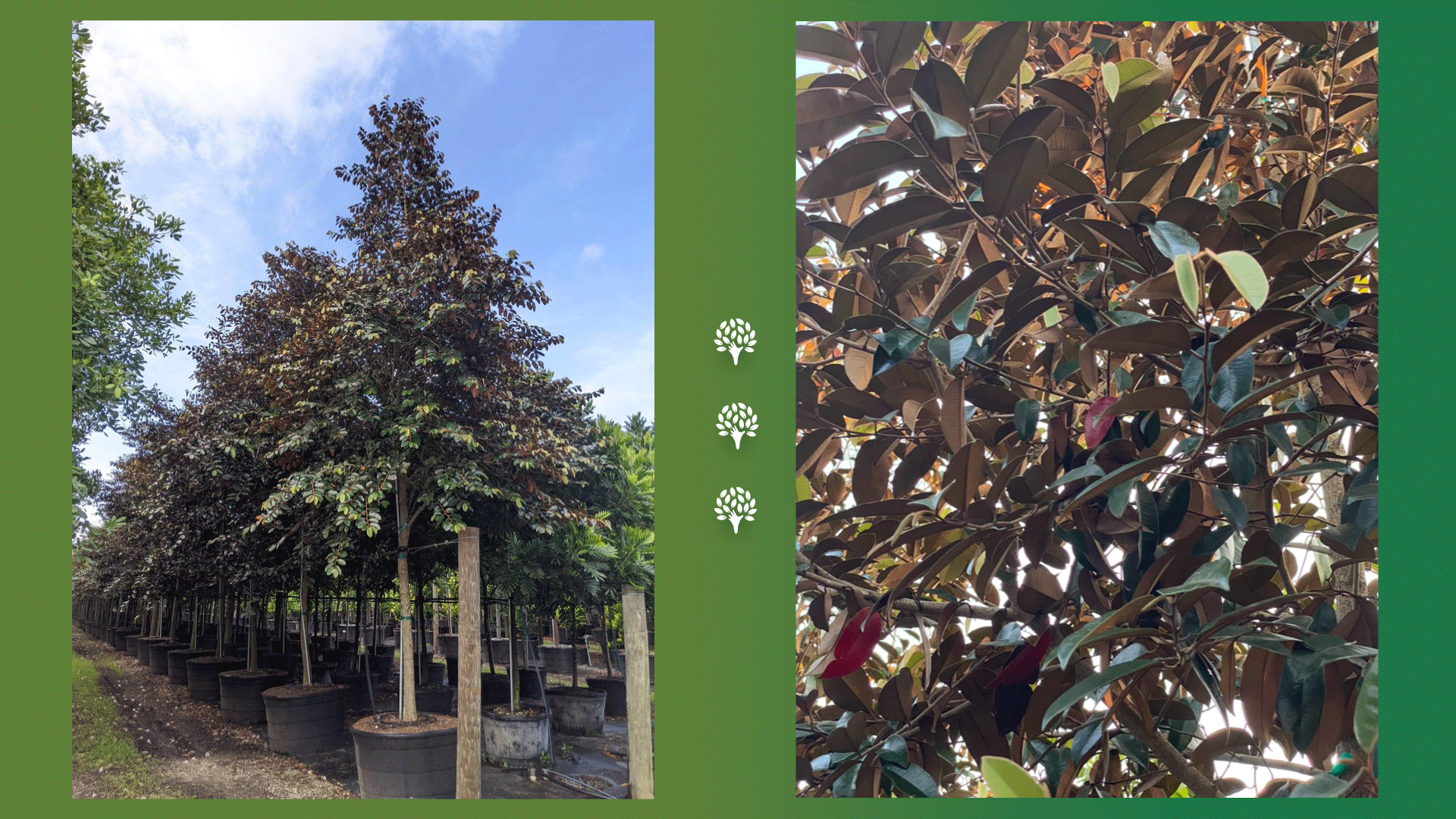
Native to Florida, Satinleaf often goes underused. Yet it offers year-round interest without relying on blooms. Its natural elegance and upright form suit residential and commercial spaces alike. It supports local wildlife and blends seamlessly into native or Florida-friendly landscapes.
The Two-Tone Charm of the Rusty Fig (Ficus rubiginosa)
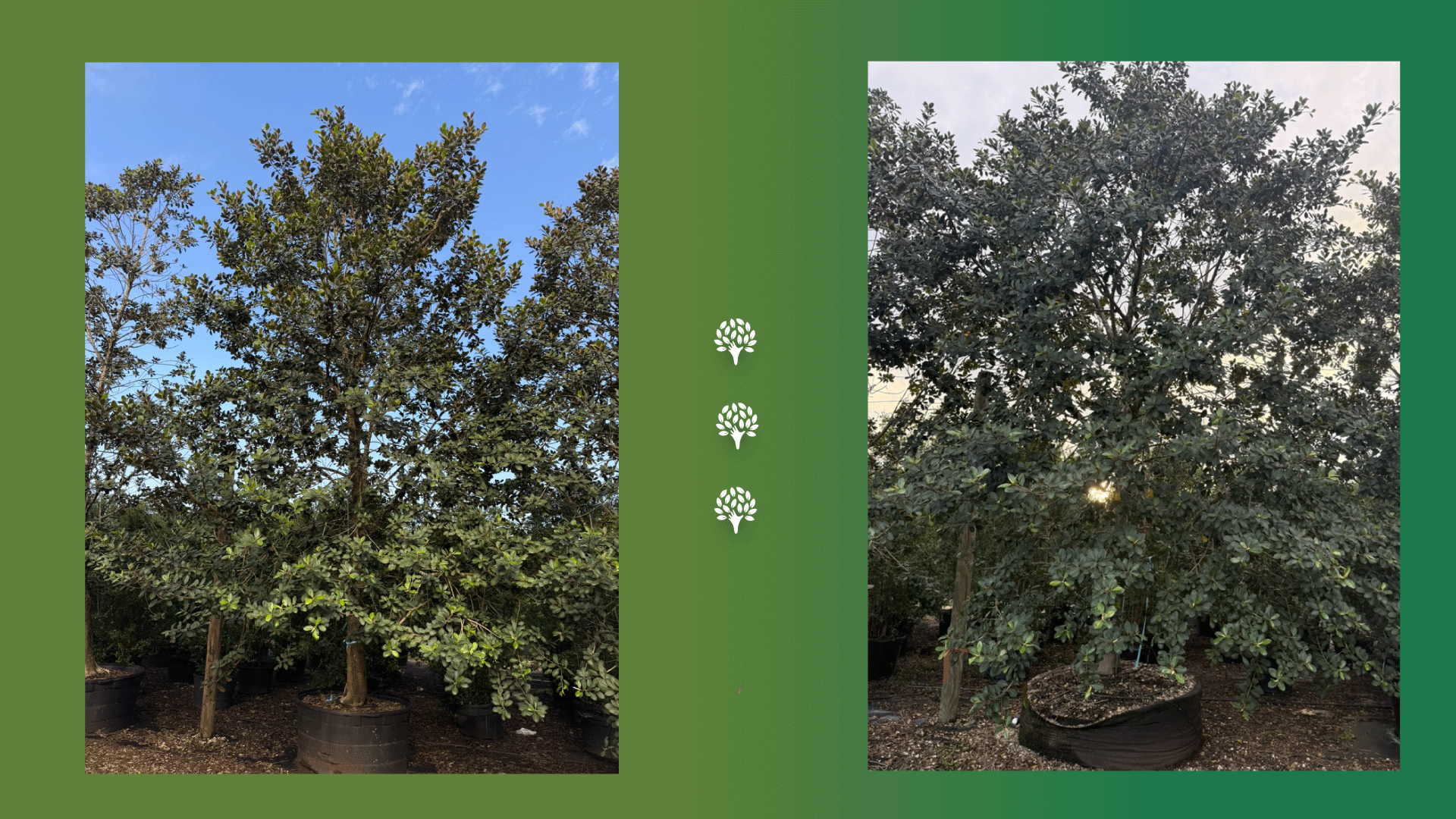
Native to Australia, the Rusty Fig thrives in Florida’s climate. Its warm, coppery undersides contrast beautifully with deep green tops. This subtle yet striking display adds movement and color to the landscape.
A Natural Warm Glow
Ficus rubiginosa is a medium to large evergreen, typically reaching 40–65 feet, with a rounded canopy that casts generous shade. Its gray-brown trunk develops rich texture and sculptural character as it matures.
The leaves are where its charm shines. Deep green on top, the undersides display a soft, rusty, felted tone. When the breeze lifts them, the copper and green create a gentle shimmer that landscapers seek.
Rusty Fig adapts easily. It prefers well-drained soils but tolerates clay, sand, and varying moisture. It enjoys full sun to partial shade, withstands drought once established, and handles coastal conditions, including salt and wind.
Two-Tone Trees Thriving in Florida Landscapes
With its broad canopy, Rusty Fig provides shade for patios, lawns, and public spaces. Its branching structure and evolving bark create a natural focal point. From inland gardens to coastal edges, it remains resilient. Looking for inspiration? Visit specimens at Fairchild Tropical Botanic Garden or the University of Miami’s Coral Gables campus. Both locations showcase how this tree performs beautifully in landscapes.
The Timeless Allure of Southern Magnolia (Magnolia grandiflora)
Few trees match the elegance of Southern Magnolia. Famous for large, creamy-white blooms, it also offers subtler beauty: natural two-tone foliage that enhances any garden.
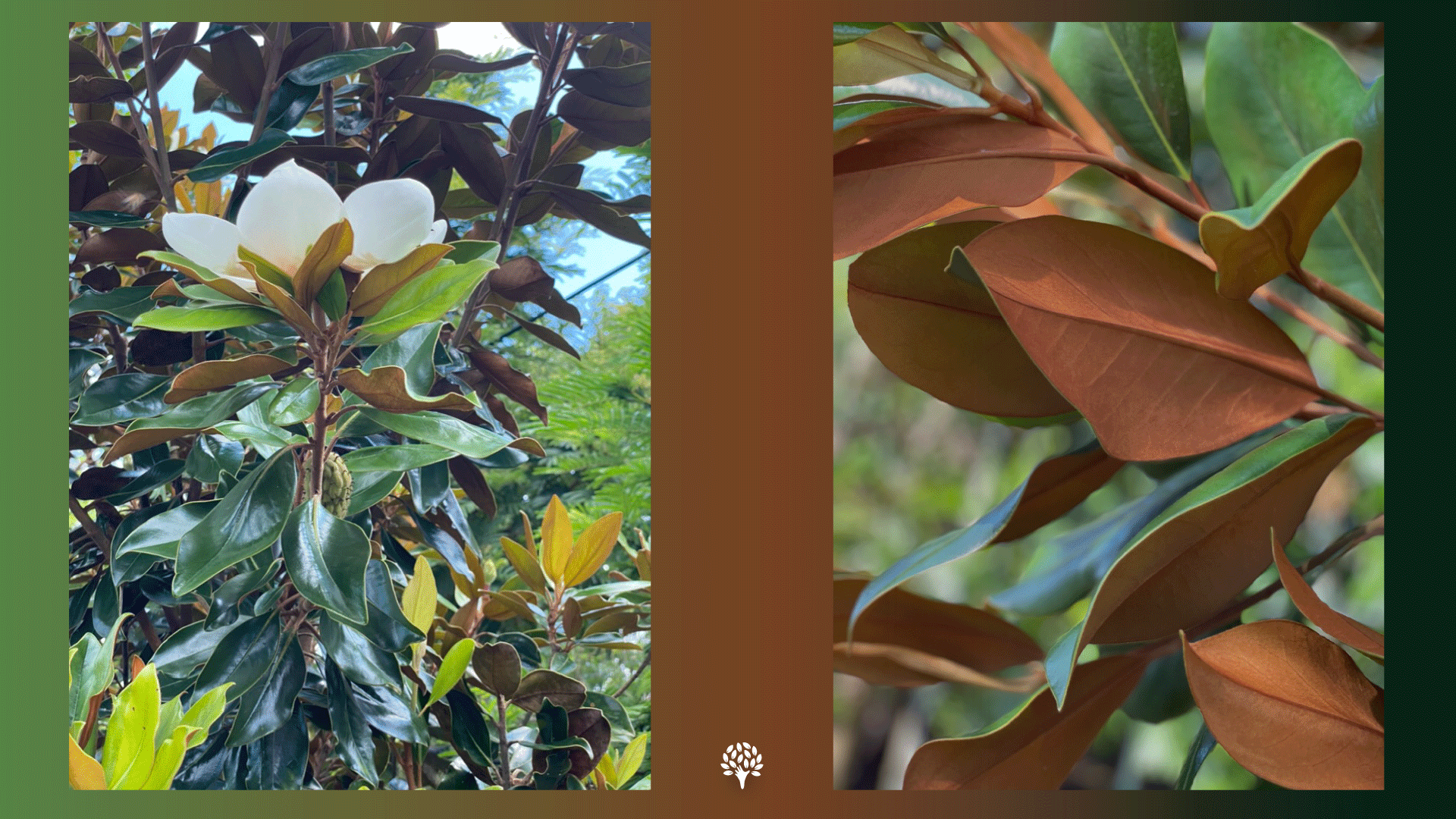
Presence, Form, and Structure
Native to the southeastern U.S., Southern Magnolia forms a pyramidal silhouette, typically 40–60 feet tall. Its upright, architectural structure brings classical beauty to entrances, gardens, and coastal projects.
The flowers display elegance and timelessness. Their creamy white petals and fragrance attract attention without overwhelming the landscape. Combined with glossy two-tone leaves, the blooms create a sense of graceful sophistication.
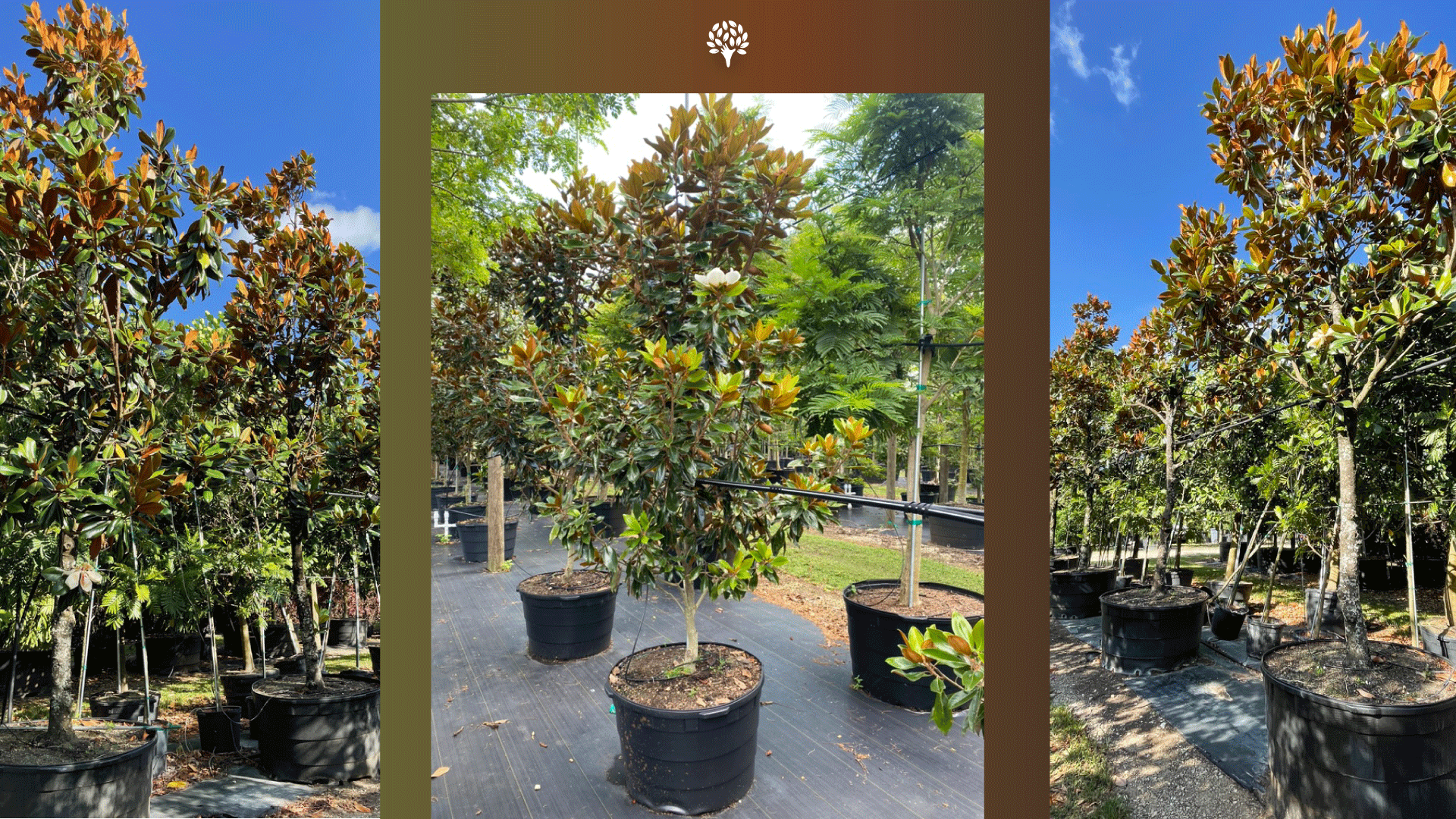
Two-Tone Foliage: The Quiet Masterpiece
The leaves are thick and leathery, deep green on top, with undersides ranging from warm russet-brown to velvety copper. When the wind shifts, the contrast reveals itself in soft flashes. A gentle two-tone effect that echoes the flowers’ timeless, emotional qualities.
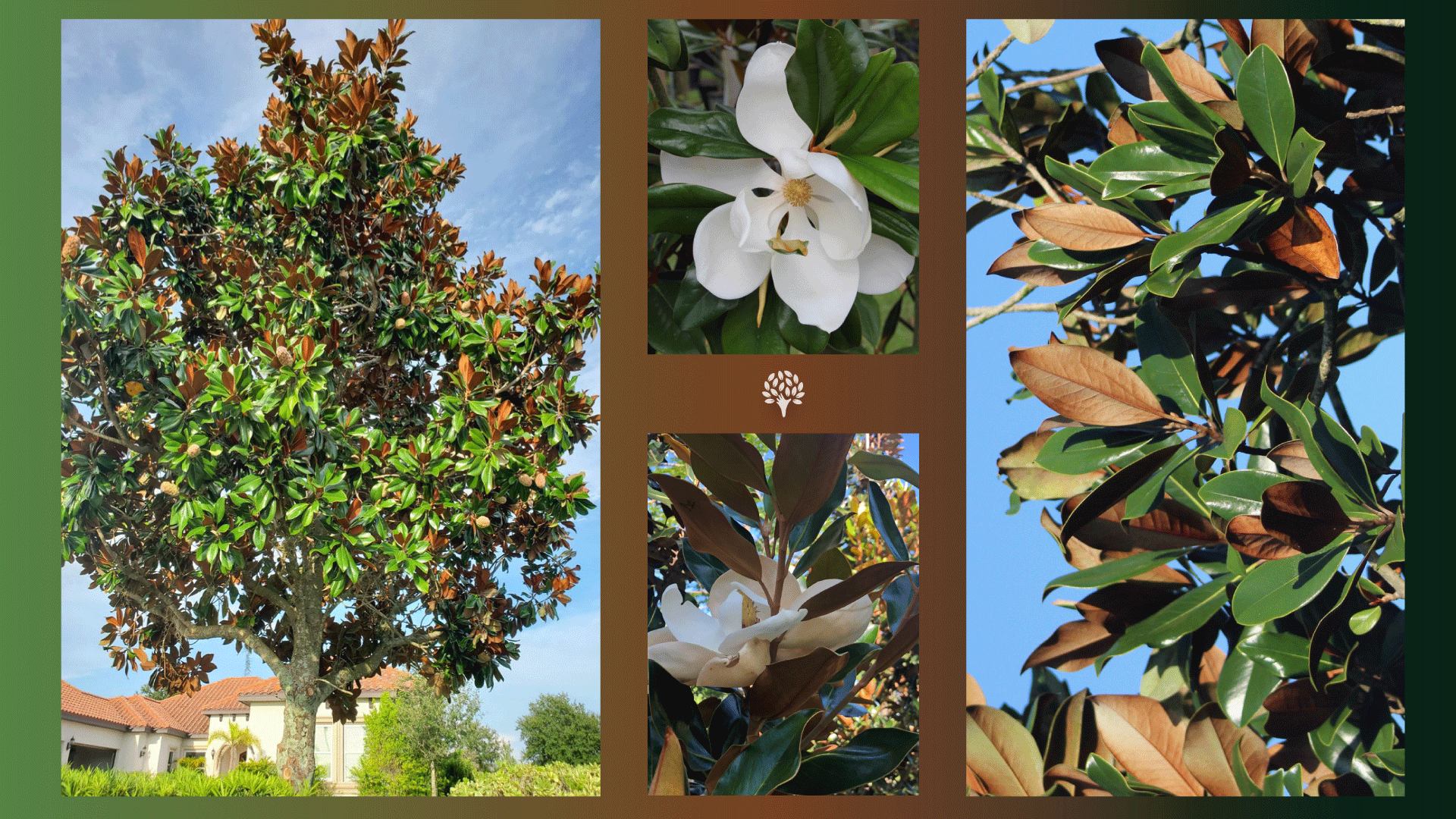
Cultivars, Elegant Tones, Landscape Presence
Different Magnolia cultivars offer unique tones. ‘D.D. Blanchard’ shows glossy green tops with deep rust beneath, while ‘Little Gem’ presents rich bronze undersides. Southern Magnolia thrives in full sun, well-drained soils, and South Florida’s climate. Once established, it tolerates heat, dryness, coastal breezes, and occasional cold snaps.
It works in multiple landscape roles: as a signature specimen, an evergreen screen, a lush canopy backdrop, or a flowering anchor that adds movement and interest year-round.
The Dynamic Palette of Two-Tone Trees
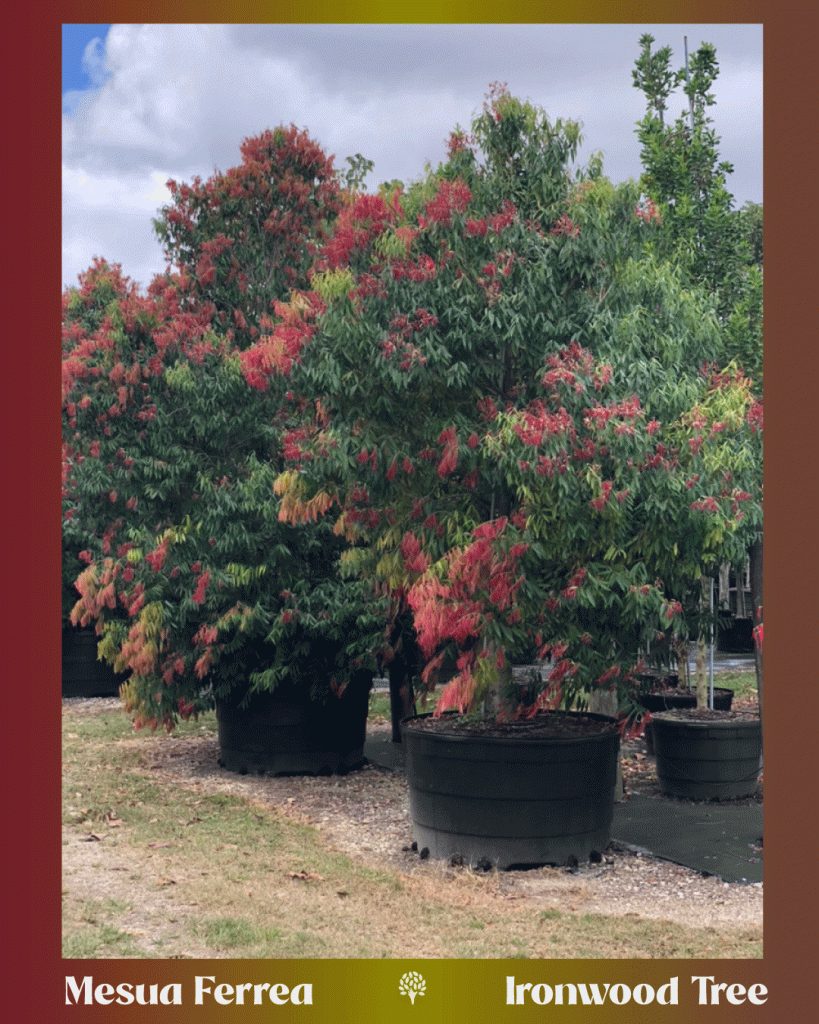
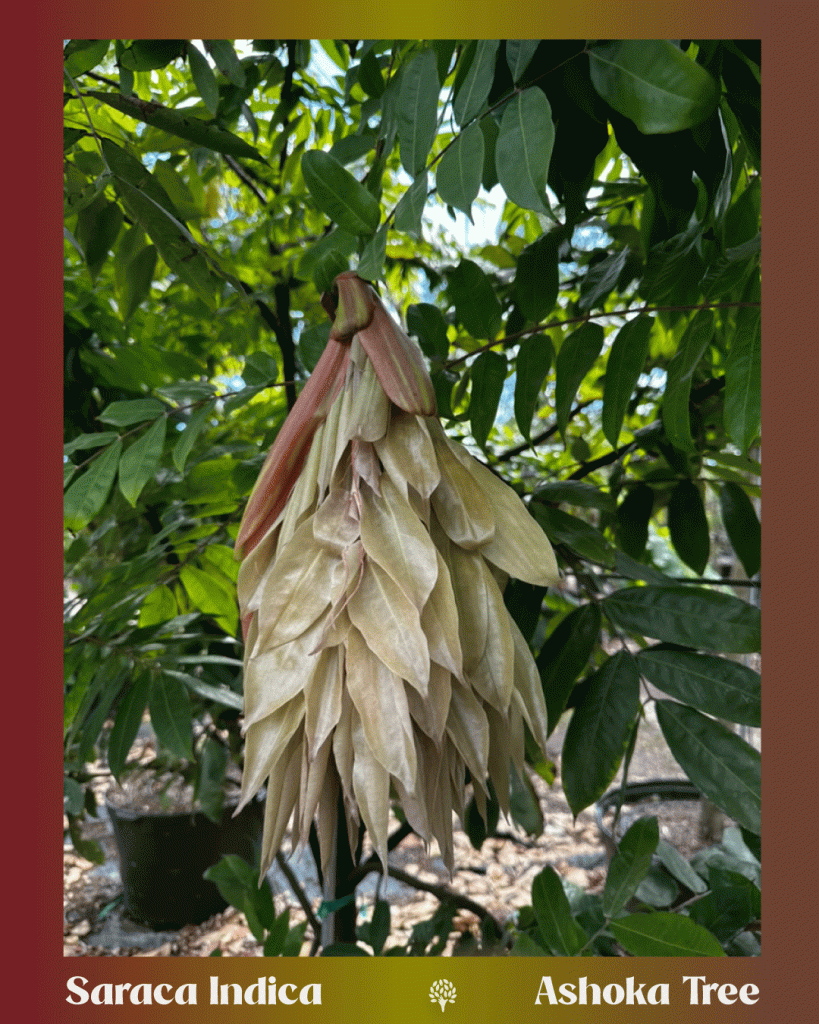
Not all two-tone trees show rusty or warm tones. Florida’s foliage includes red, pink, and bronze flushes before maturing to deep green. These vibrant layers bring energy and motion to any garden.
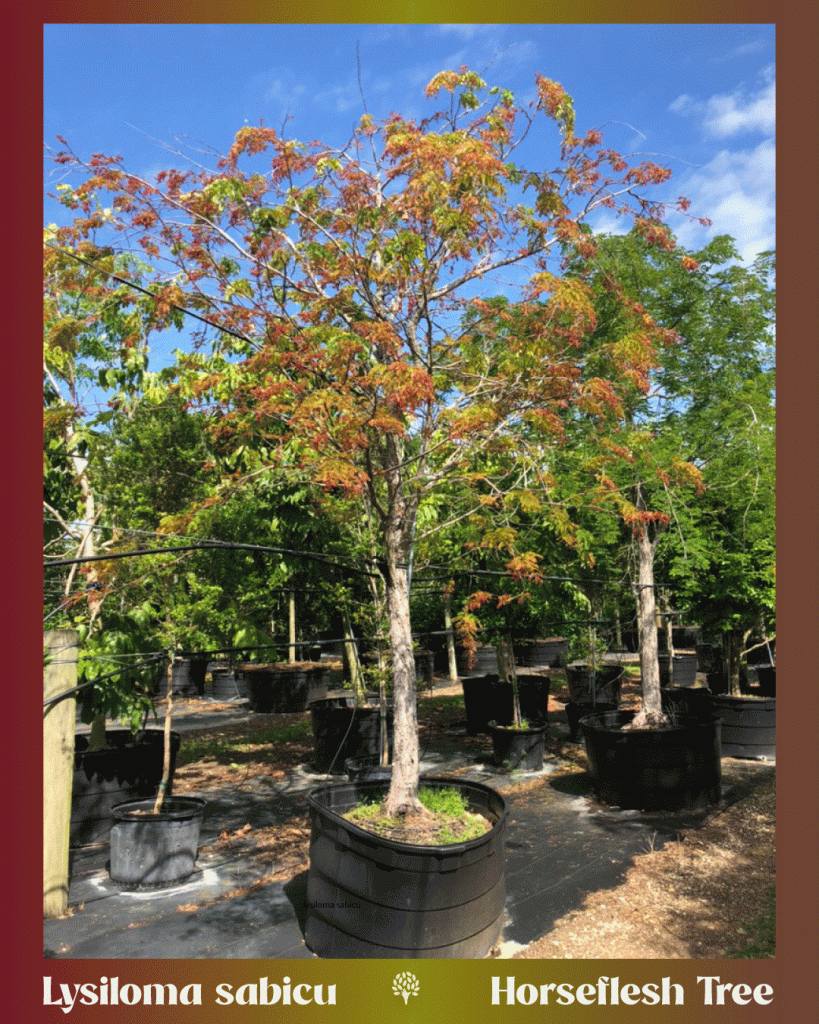
Consider trees like Mesua ferrea, Lysiloma sabicu, or the handkerchief-like flush of Saraca indica. Each adds a unique rhythm and color. Expect more on this subject.
Bring two-tone beauty to your landscape. Visit us at 24605 SW 192 Ave, Homestead, FL 33031, call 305-245-6886, or email info@treeworldwholesale.com to schedule your appointment. Let us help you choose the perfect tree for your design!
FAQ: Two-Tone Foliage Trees
What are two-tone foliage trees?
Two-tone trees display leaves with different colors on the top and bottom surfaces. Wind and light reveal the second tone.
Why are two-tone trees popular in landscapes?
They add movement, depth, and year-round color. Delivering seasonal interest without cold weather.
Which Florida native tree has two-tone leaves?
Satinleaf (Chrysophyllum oliviforme) shows glossy green tops and coppery, metallic undersides.
Do two-tone trees lose their color effect over time?
No. The effect comes from leaf structure and texture, not from blooms or seasonal pigments. As long as the tree stays healthy, the two-tone contrast remains constant.
Do two-tone trees grow well near the coast?
Many do. Rusty Fig and certain Magnolia cultivars tolerate wind, salt spray, and sandy soils.
What two-tone tree provides the most shade?
Rusty Fig (Ficus rubiginosa) delivers a broad, dense canopy and excellent shade.
Are two-tone trees good for small yards?
Yes. Choose compact options like ‘Little Gem’ Magnolia or a young Satinleaf. Large species need more space.