
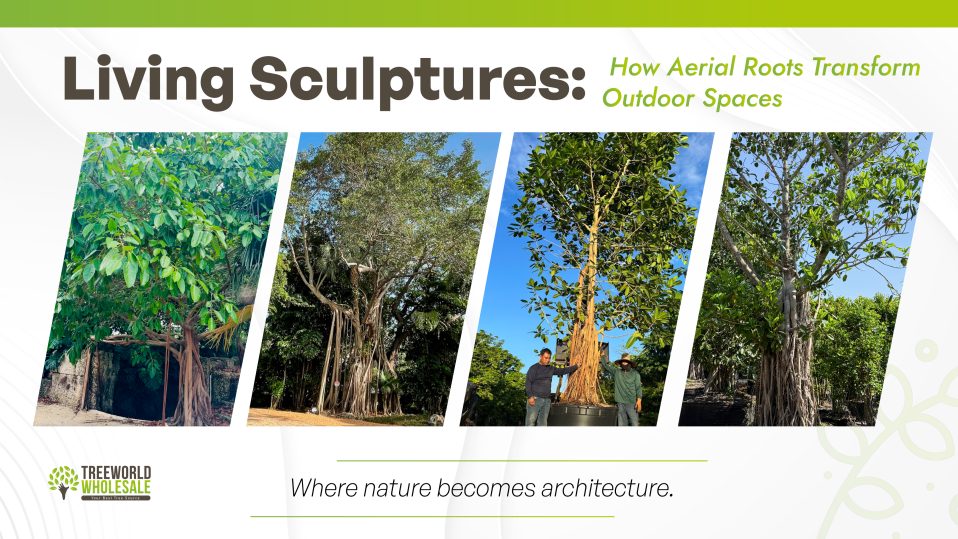
There is not a single landscape designer out there that doesn’t breathe art, and that is exactly what aerial roots embody. Art in movement — or as we like to call it, dynamic art — grows into new forms over time, keeping landscapes visually fresh. There is no casual way of mentioning how this impressive feature breaks through different designs and enchants our viewers. Because when it comes to landscaping, few natural features captivate the imagination quite like aerial roots. These roots grow above ground and often descend from branches to touch the soil. They are nature’s way of blending architecture, art, and ecology into one breathtaking display.
What Are Aerial Roots?
Aerial roots are roots that grow from a plant’s stem or branches above the soil surface. You’ll find them most often in tropical and humid environments, where water and nutrients aren’t always easy to access. Unlike underground roots, these unique structures are on display. Draping, twisting, or even forming natural curtains that look like living sculptures no artist could ever replicate.
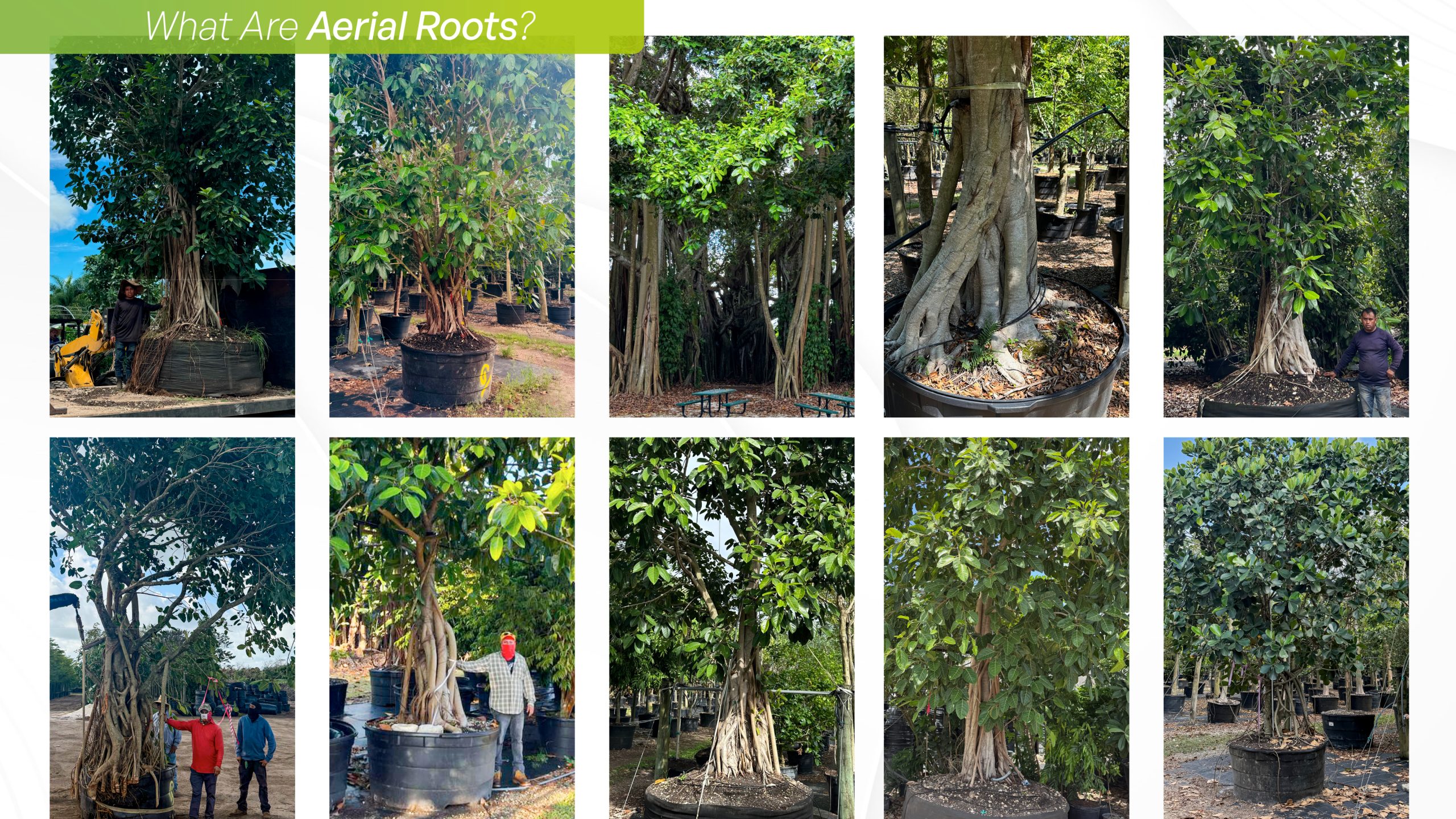
But aerial roots are far more than just beautiful. They give trees strength, resilience, and incredible ecological value. Acting like natural anchors, they grip onto trunks, rocks, or nearby structures, helping the tree climb upward toward more sunlight. They also work like sponges, absorbing water and nutrients directly from rain, humidity, or even organic matter around them. In swampy or oxygen-poor soils, some aerial roots function as “breathing roots”, pulling in air to keep the tree alive — a survival trick that’s vital for mangroves thriving along coastal zones.
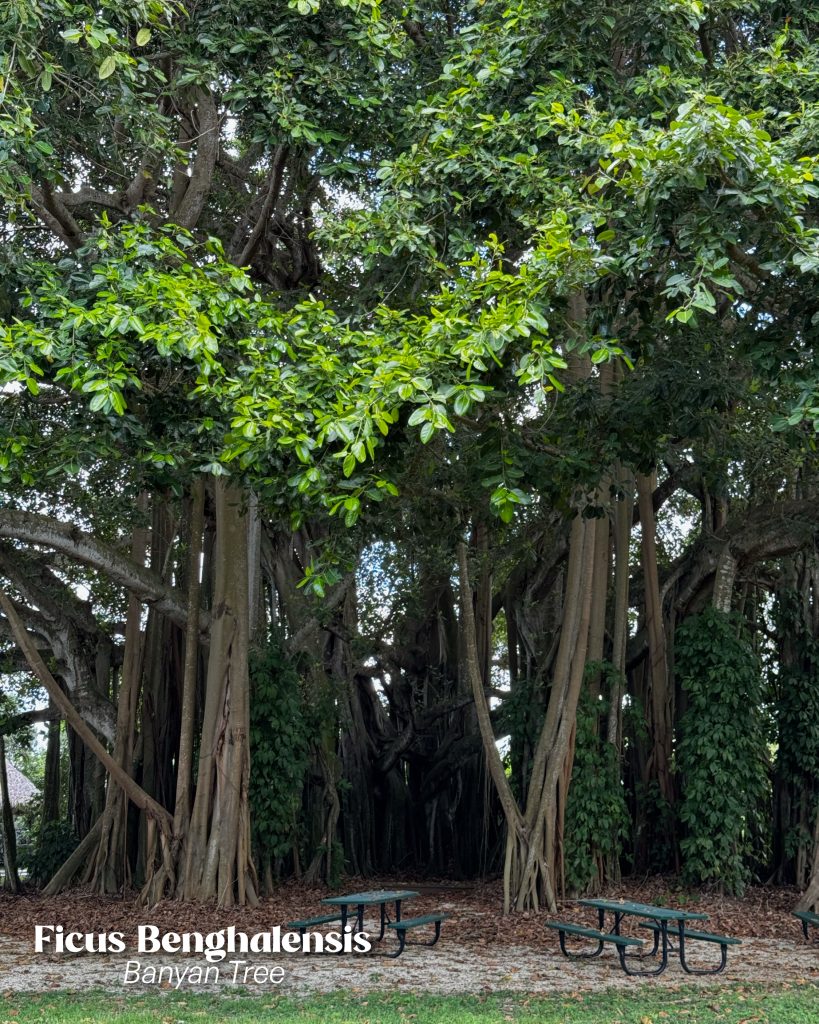
Beyond survival, aerial roots also provide impressive structural stability, strong enough to support enormous canopies like those of the majestic banyan tree. And, as if that weren’t enough, they can even help trees reproduce, since some aerial roots grow down into the ground and transform into entirely new trunks.
What are aerial roots in short? They aren’t just fascinating to look at — they’re nature’s way of ensuring that trees can thrive, adapt, and expand in ways that feel almost magical.
Trees with Aerial Roots in Landscaping: Ecological Value
Aerial roots not only enhance visual drama, but also play a key role in ecosystem services. They stabilize soil and prevent erosion, support biodiversity by providing habitat for birds and insects, and help trees withstand storms or flooding. In today’s landscape trends, these features make trees with aerial roots both a design statement and a contribution to more resilient, sustainable landscapes.
The Artistic Appeal
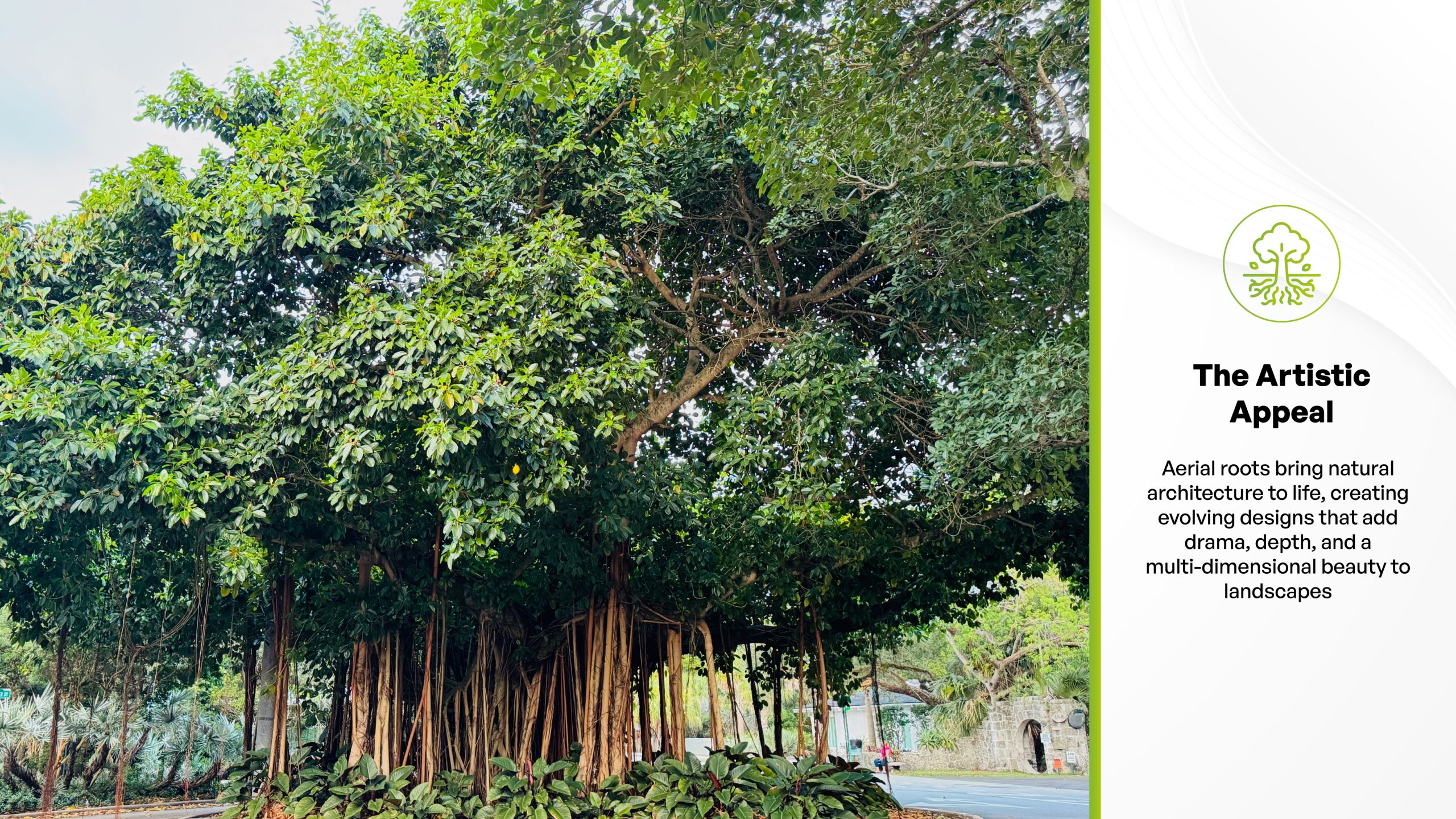
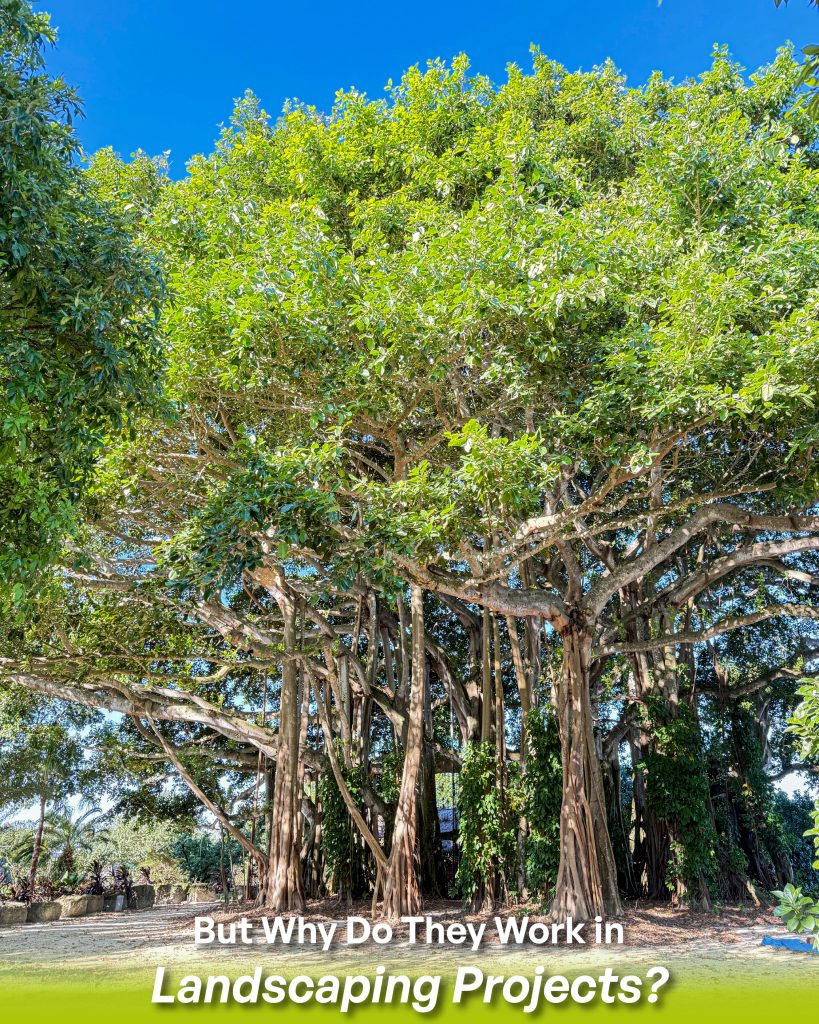
As mentioned before, aerial roots embody natural architecture as they give trees a multi-dimensional quality, becoming part building, part organism. Banyans, for example, can create natural archways or colonnades that invite exploration. And unlike static art, they become evolving designs, as aerial roots grow and change over time — meaning your landscape becomes a dynamic canvas that matures gracefully. Plus, the layered look of roots hanging or wrapping around trunks adds drama and visual intrigue to gardens and public spaces, delivering both texture and depth.
But Why Do They Work in Landscaping Projects?
After establishing that they are awe-inspiring and alluring beings, we need to cover that they make great focal points. Trees with aerial roots naturally draw the eye, making them perfect for centerpiece plantings in courtyards, parks, or entryways. Plus, they are natural dividers, as the dense root curtains can subtly divide spaces without hard barriers, creating privacy while keeping the landscape open and breathable. And they definitely add a tropical or heritage-inspired touch to designs.
Practical Considerations for Designers
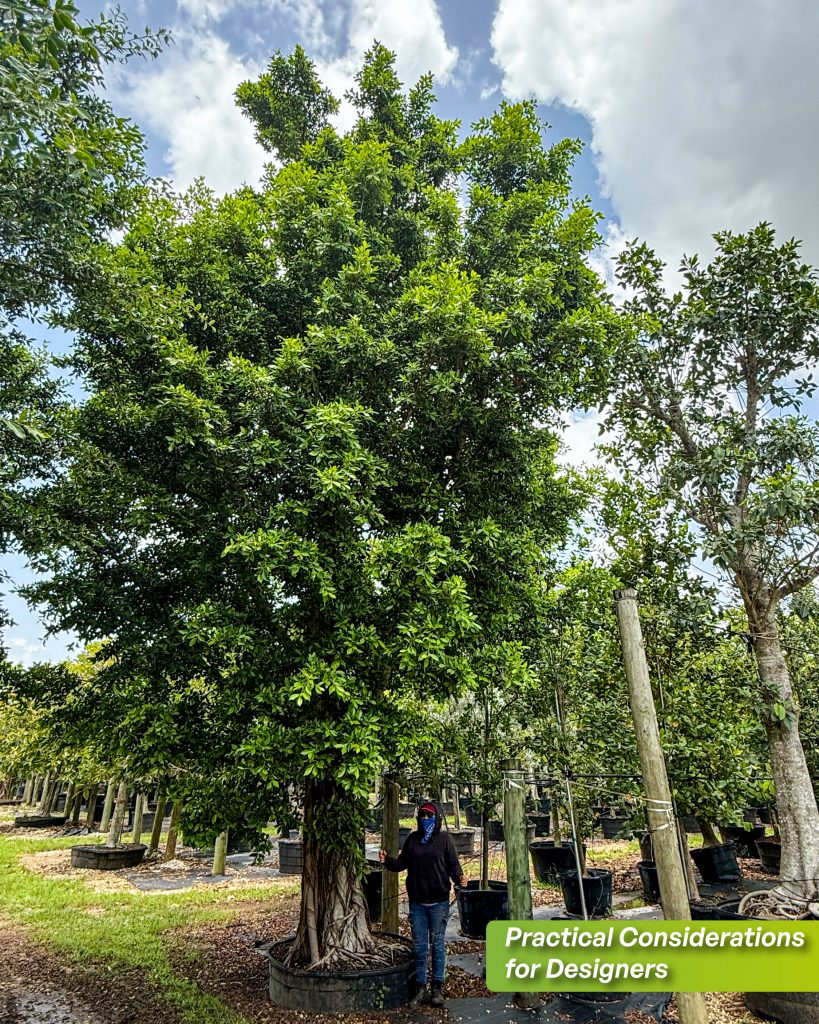
Some aerial root trees are truly massive and will grow to incredible proportions, creating living landmarks over time. That’s why space to grow is so important. These trees spread both above and below ground, with their roots and branches carving out their own presence in the landscape. They also happen to love warm, humid environments, making South Florida’s climate especially suitable. And while these giants can certainly be left to grow wild and free, with the right touch of maintenance and shaping, their aerial roots can be guided into artistic forms that work with the design.
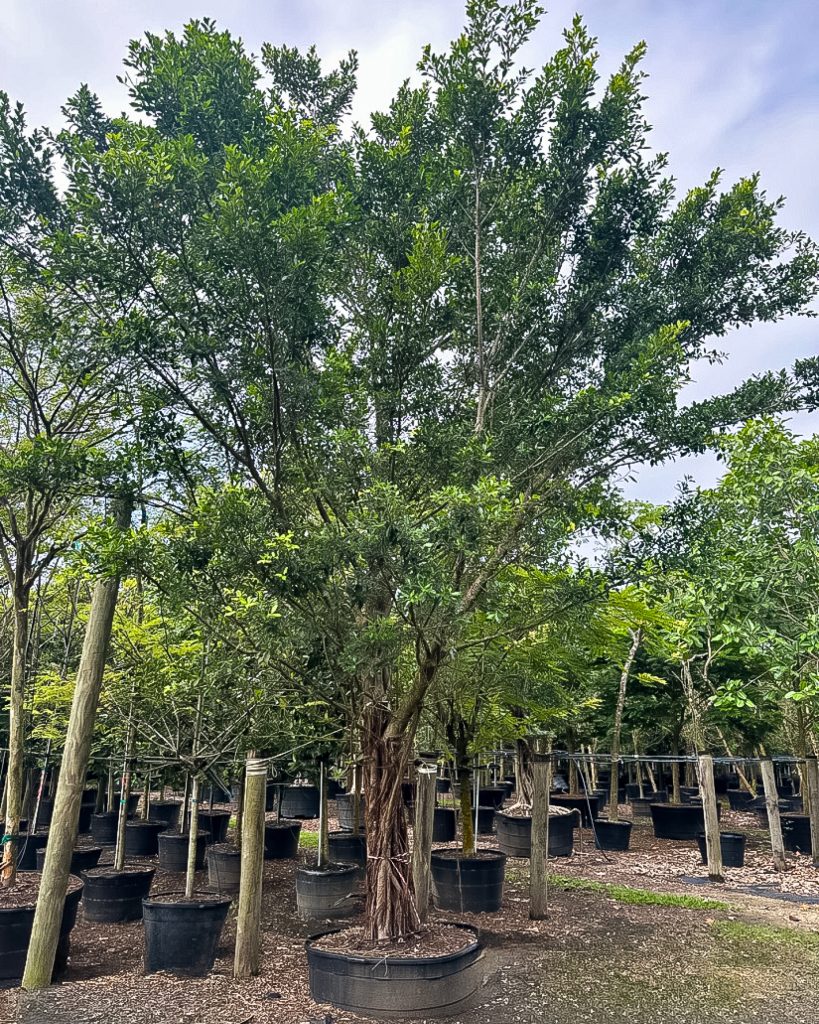
And remember that choosing trees for sale with aerial roots isn’t just a design choice — it’s a long-term investment in a living sculpture that will continue to enhance your landscape year after year. They are conversation starters, shade providers, wildlife habitats, and works of art all at once. So let’s dive into the options available to create a Florida tropical landscape design with a living architectural feature.
Examples of the Best Trees with Aerial Roots
The Grand Banyan Tree (Ficus benghalensis)
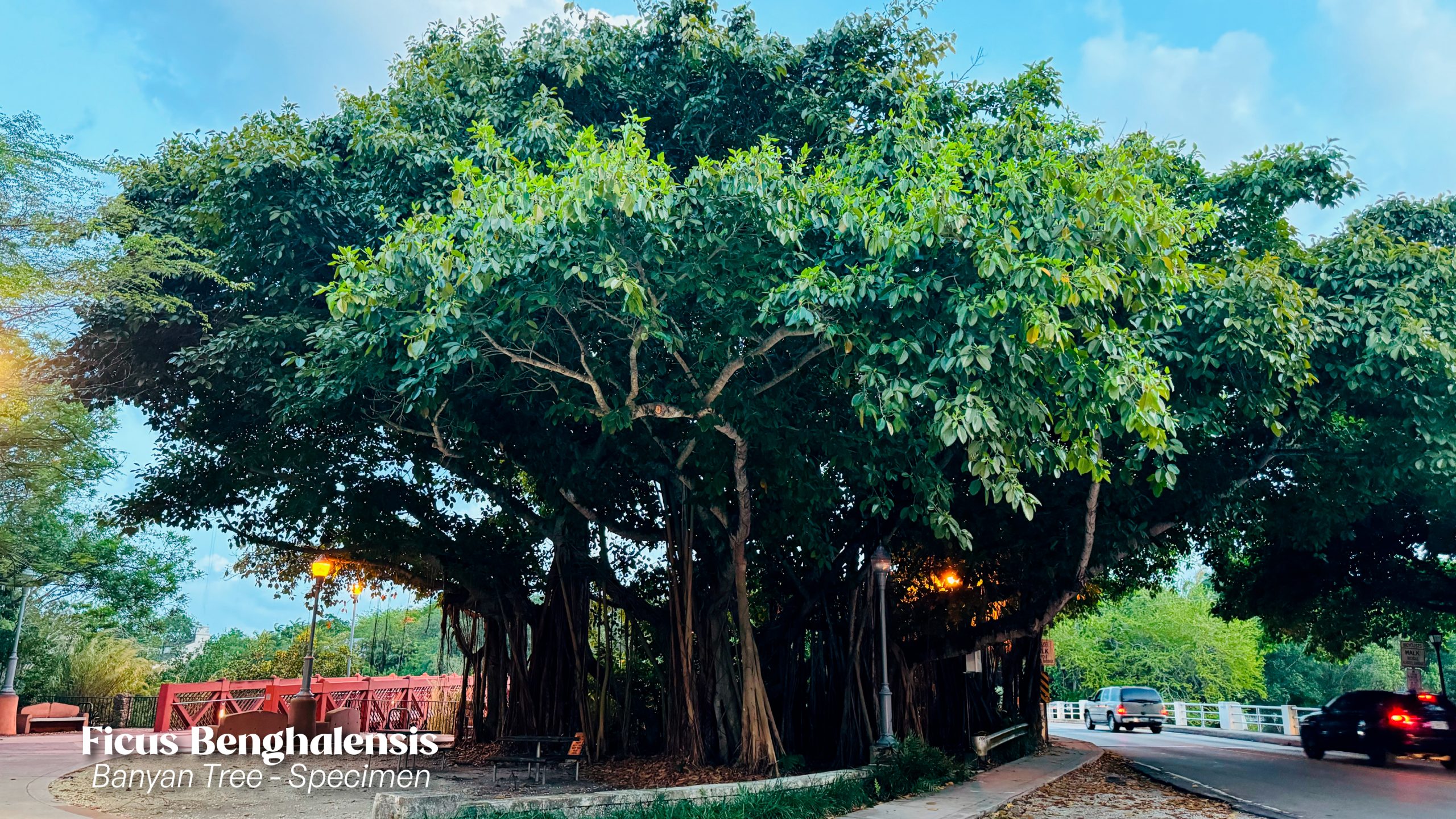
Ficus benghalensis, best known as the banyan tree, is an incredible masterpiece and massive tropical tree with aerial roots. Famous for its vast canopy and multiple trunks, created by aerial roots descending from branches and taking root in the ground, it becomes a shaded oasis, a natural gathering space, and an instant showstopper.
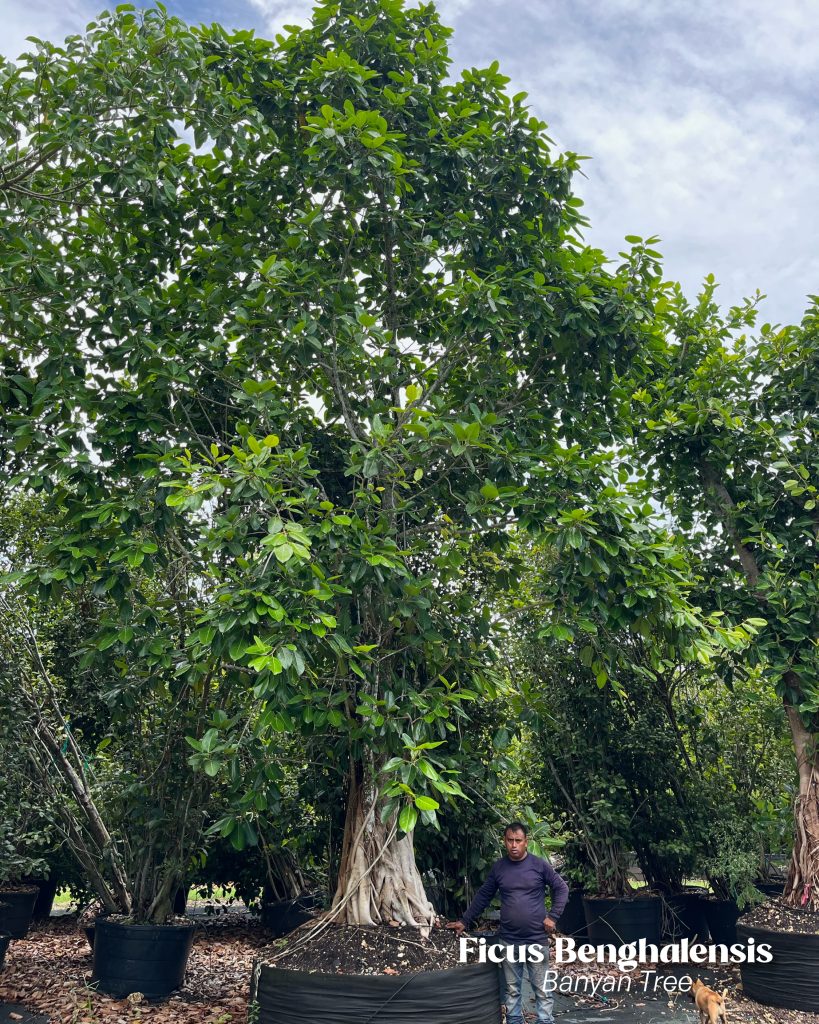
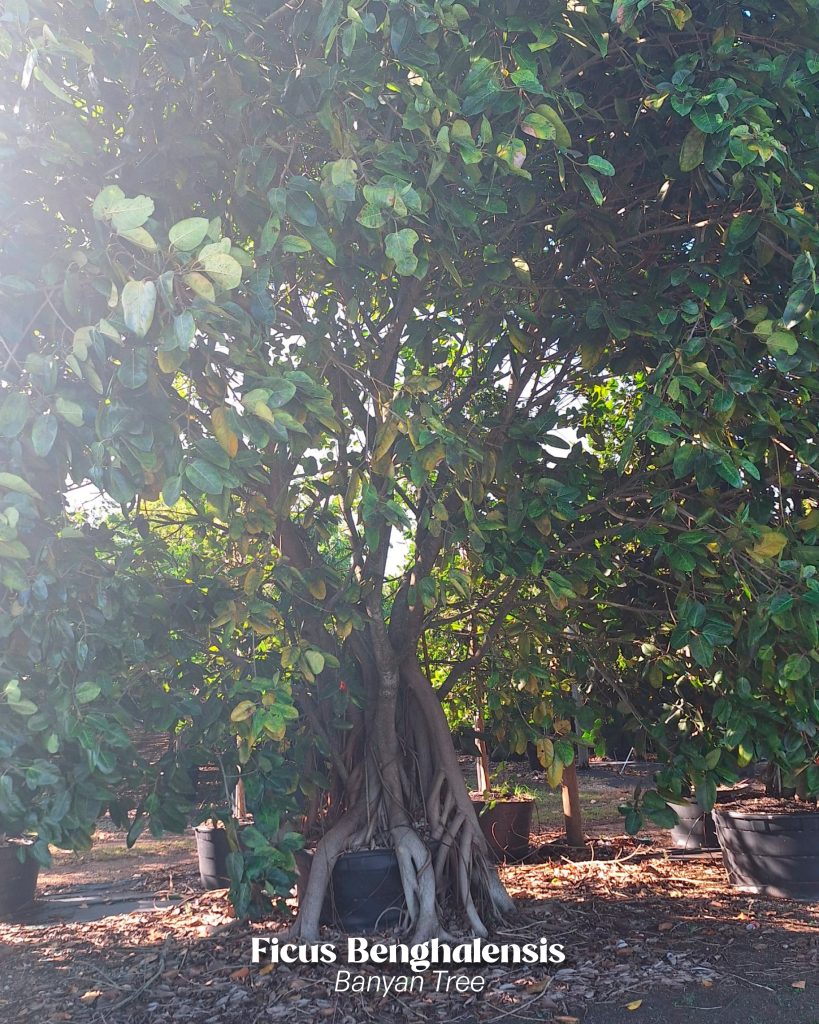
The banyan begins life as an epiphyte on a host tree, typically from seeds deposited by birds. Once numerous new trunks are formed, the trees become a small forest. The crown of the tree is irregular with dense foliage. Its leaves are leathery, ovate, shiny green, smooth above and velvety below, and 5 to 10 inches long — creating dramatic focal points, perfect for large public gardens or estate landscapes.
Ficus aurea (Florida Strangler Fig)
This native fig is a bold choice for projects seeking to celebrate Florida’s natural character. Ficus aurea is known for its sprawling growth and impressive aerial root systems that create twisted trunks and arches over time. In larger spaces or naturalized areas, it becomes an ecological landmark, offering food and habitat for birds and wildlife.
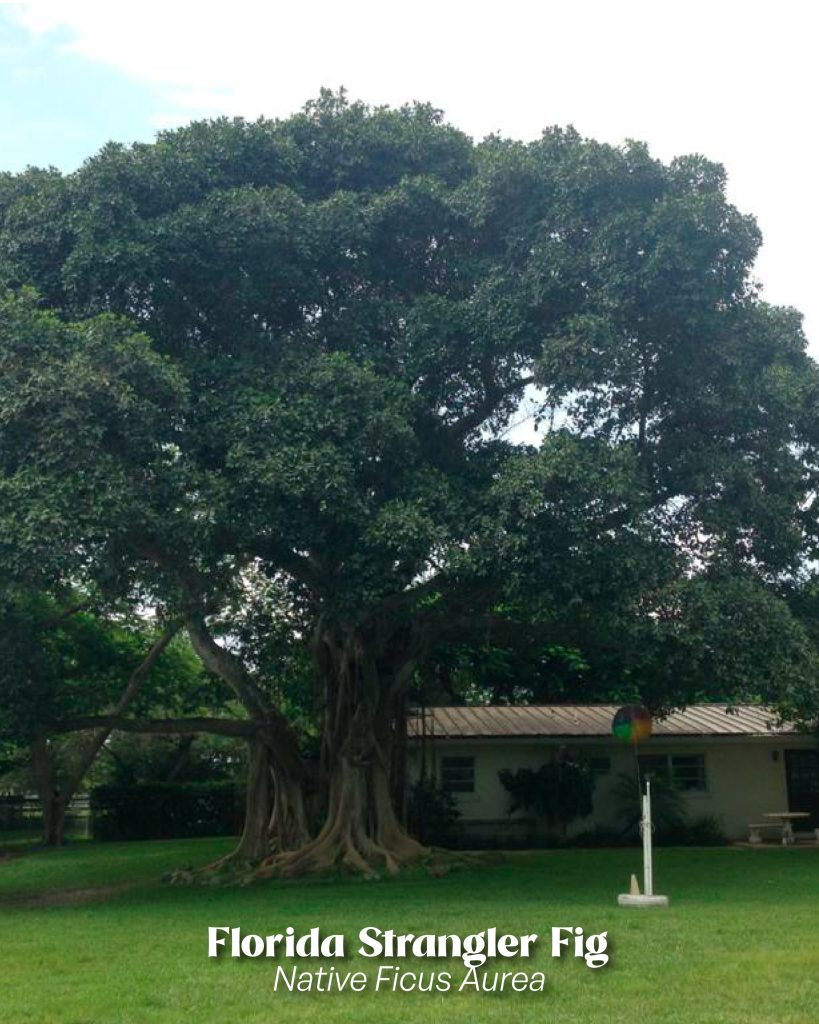
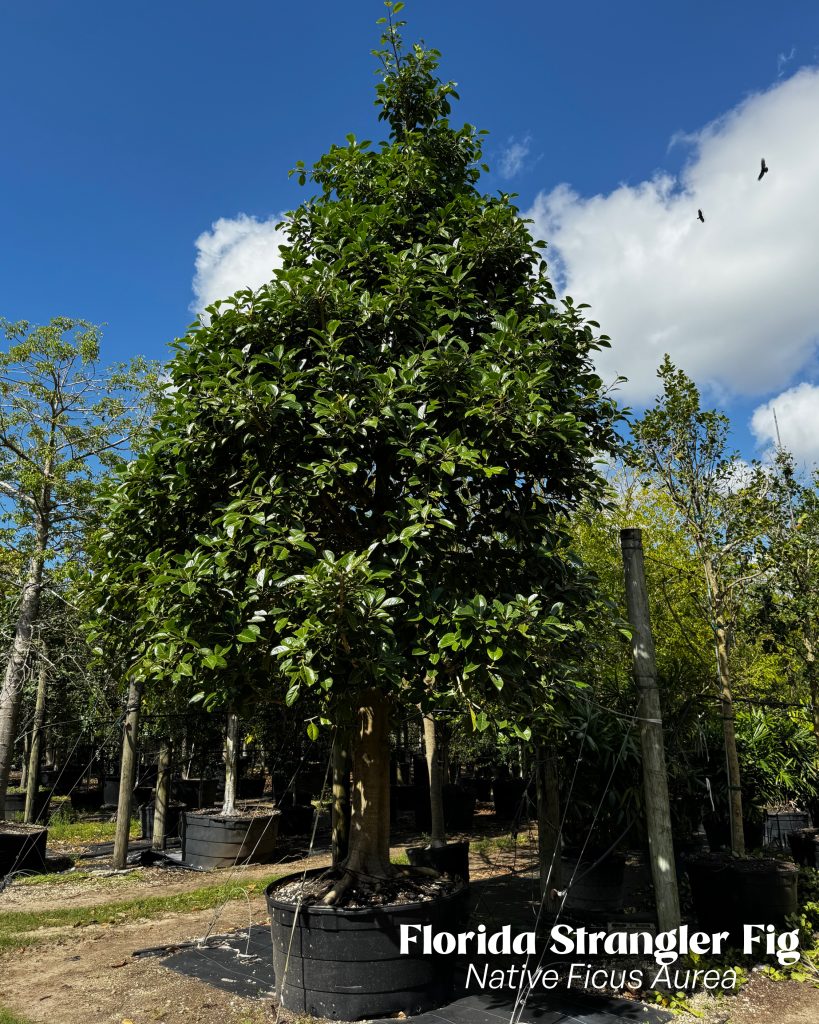
This tree with aerial roots tells a story of resilience and transformation, creating sculptural, almost mythical shapes. Its wild, dramatic look makes it a striking addition to landscape designs that favor authenticity and ecological value.
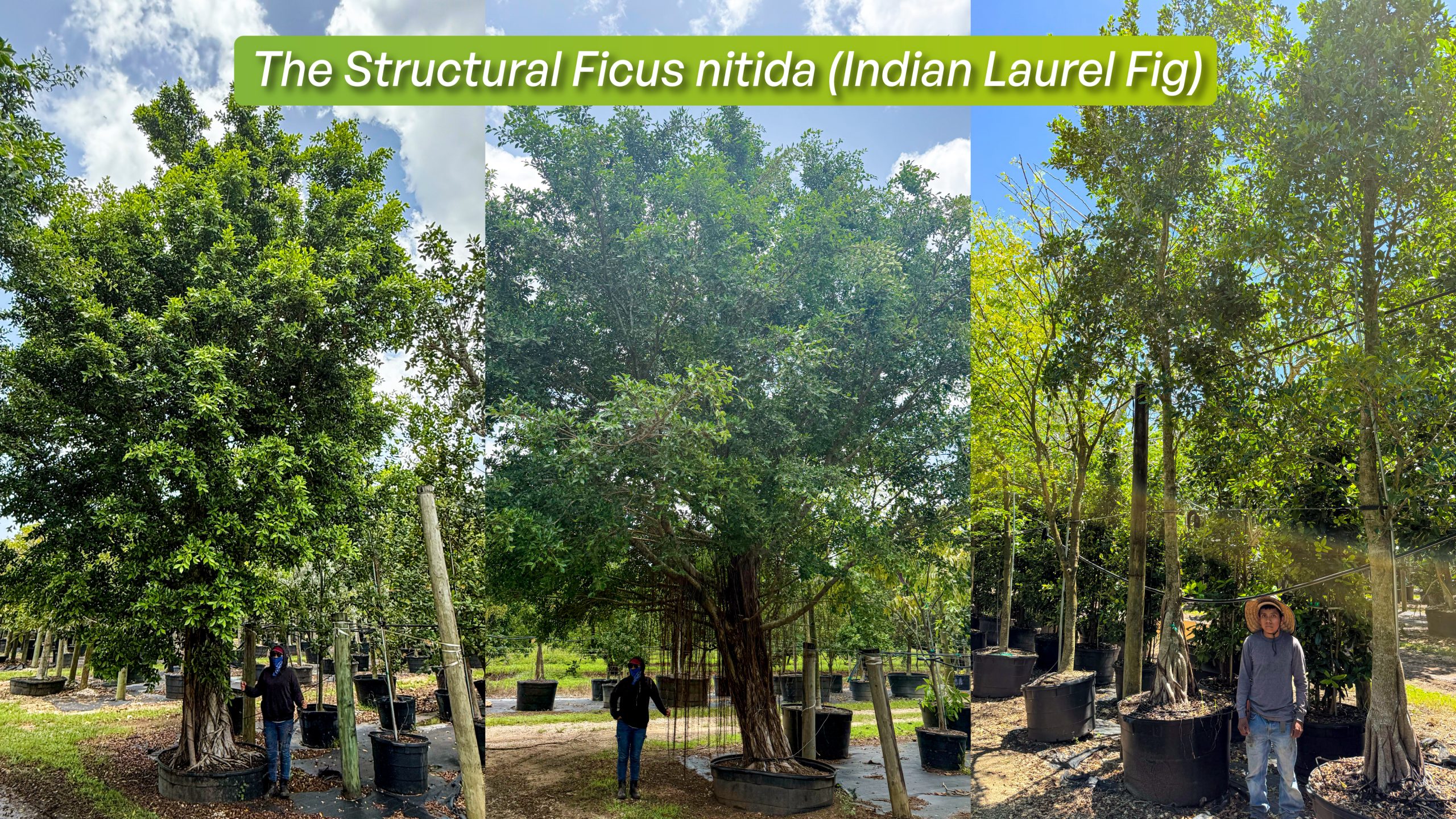
The Structural Ficus nitida (Indian Laurel Fig)
A designer’s favorite for modern landscapes, Ficus nitida brings structure and versatility. Its dense, evergreen canopy creates instant shade and privacy, making it ideal for residential gardens, courtyards, or lining avenues. In tropical climates, the tree sometimes develops aerial roots, adding a dramatic, sculptural quality that transforms ordinary spaces into breathtaking landscapes. With careful pruning, it can be shaped into elegant forms, while left natural, it becomes a lush green backdrop, a timeless choice.
The Sacred Fig (Ficus religiosa)
Among the most captivating trees with aerial roots is Ficus religiosa, also known as the sacred fig or bodhi tree. Revered across cultures for its spiritual symbolism, this species is not only significant in history but also a stunning addition to landscapes. Its heart-shaped leaves create a soft, rustling effect with the wind, while its aerial roots descend gracefully from branches, transforming the tree into a living sculpture.
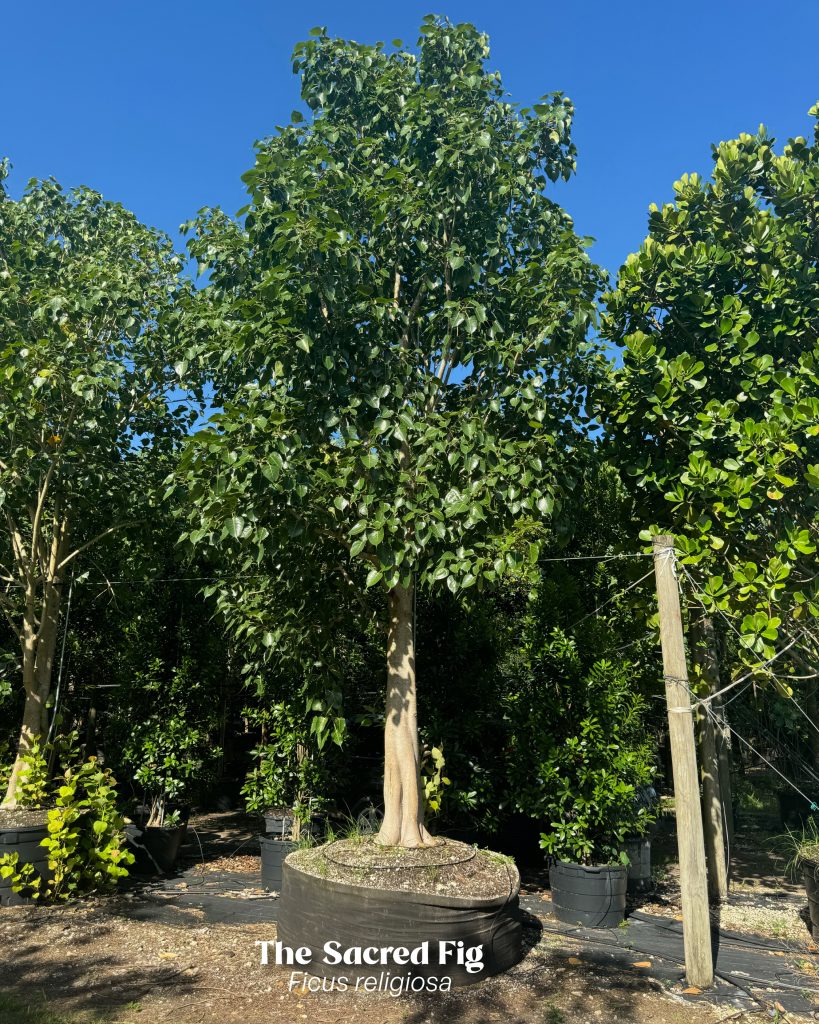
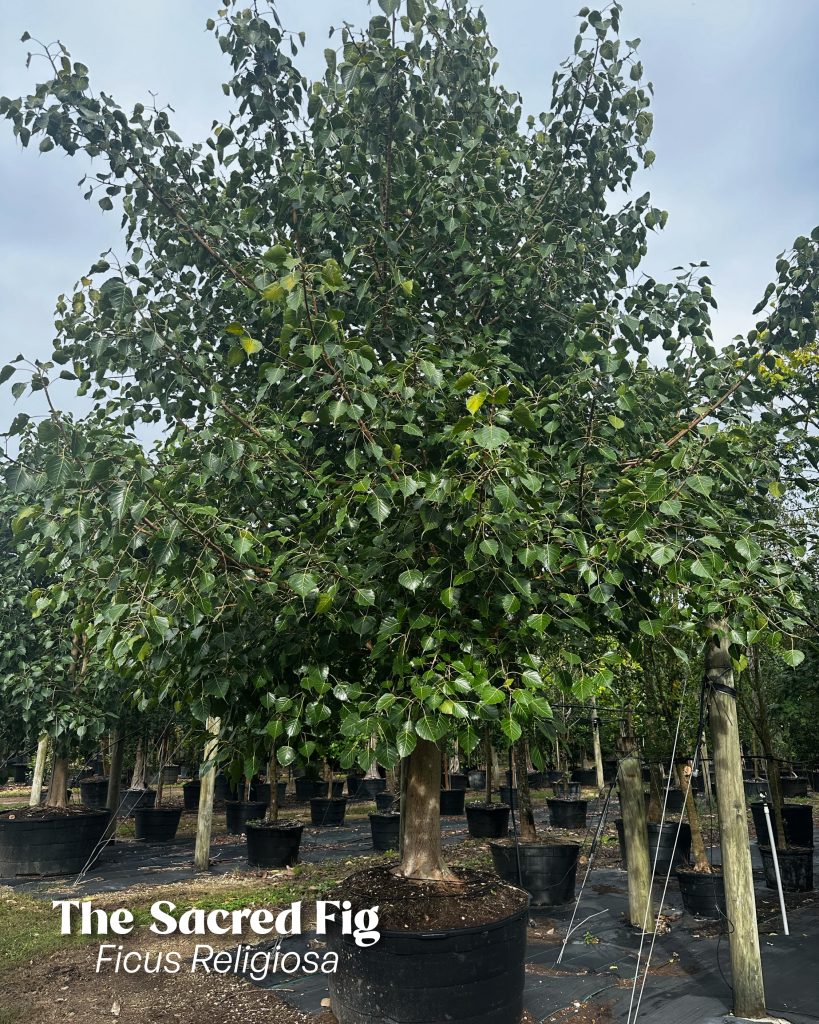
In landscaping, the sacred fig offers more than beauty — it provides presence. The aerial roots eventually reach the ground, thickening into natural pillars that give the tree strength, stability, and an expansive spread. Over time, these roots create cathedral-like structures that invite both shade and awe.
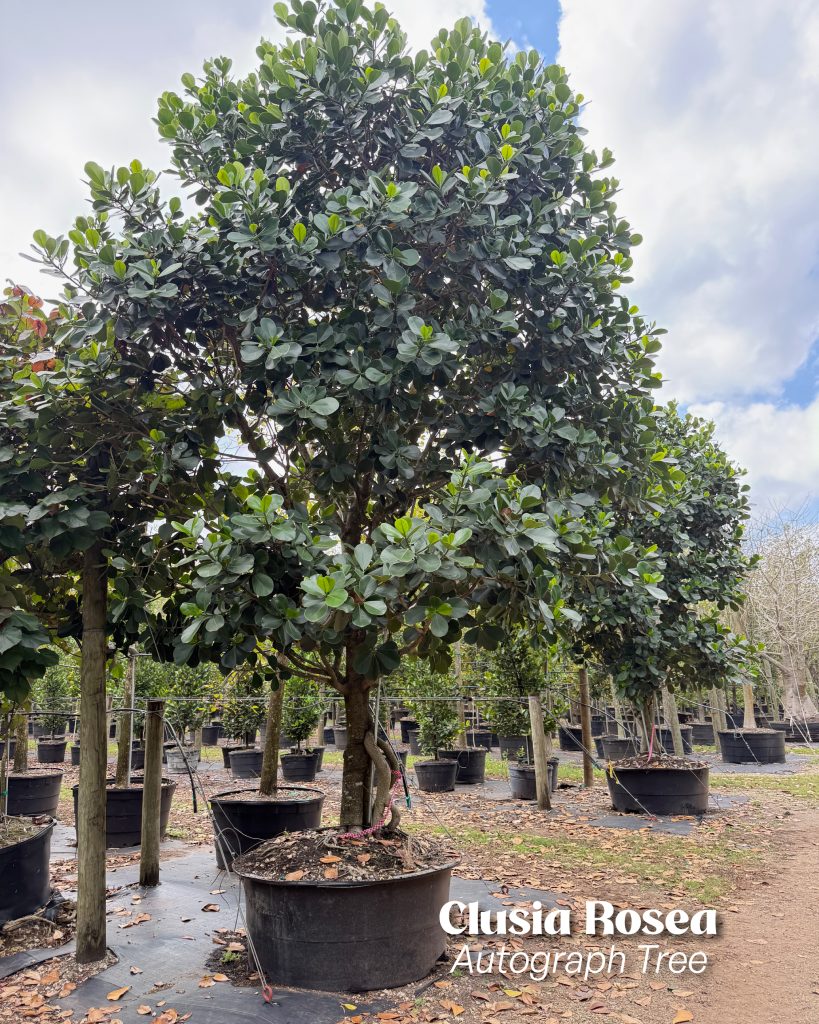
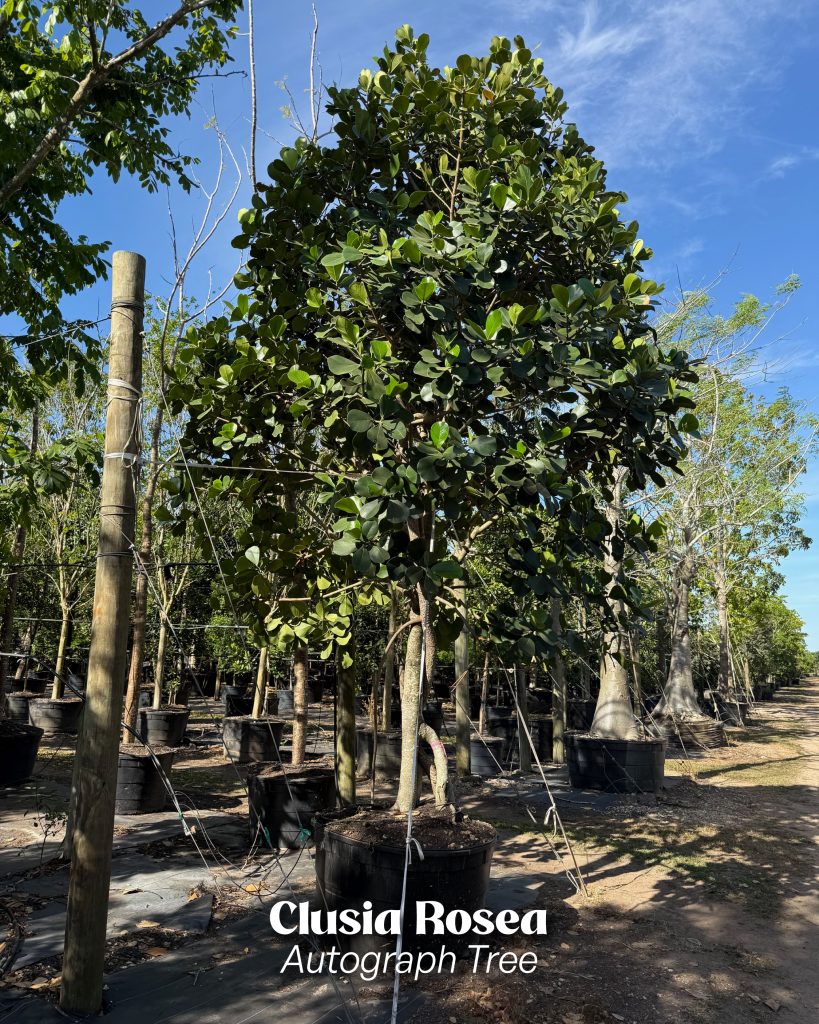
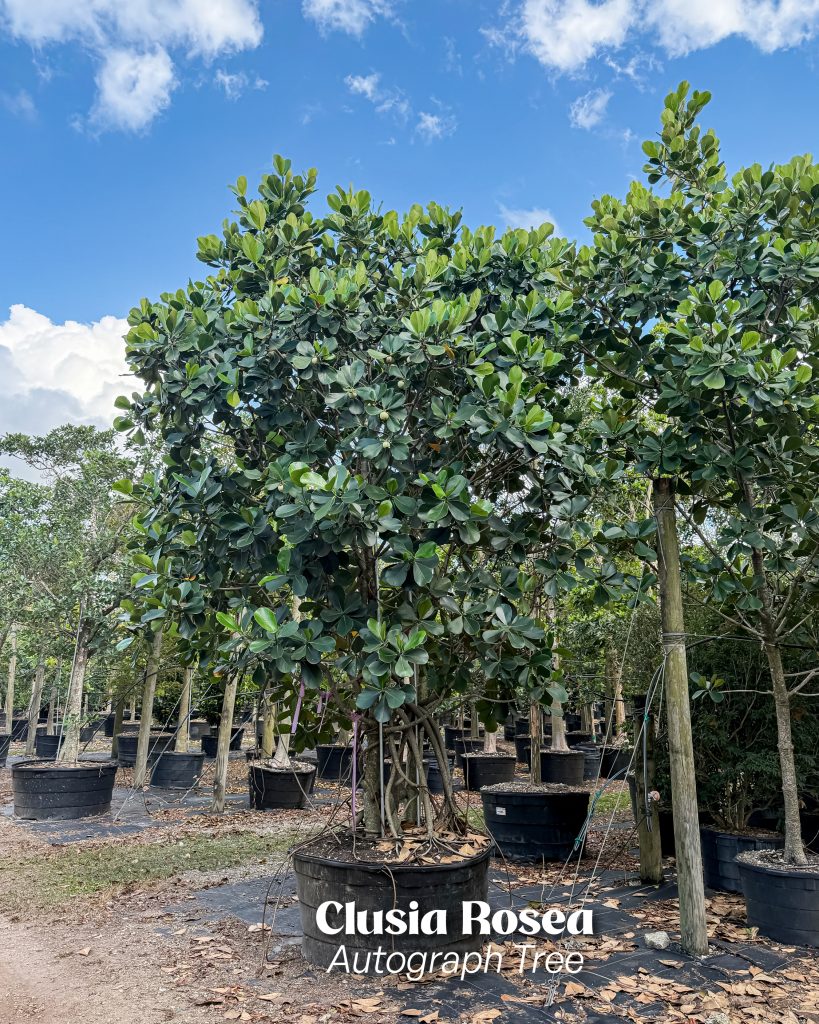
The Autograph Tree with a Twist (Clusia rosea)
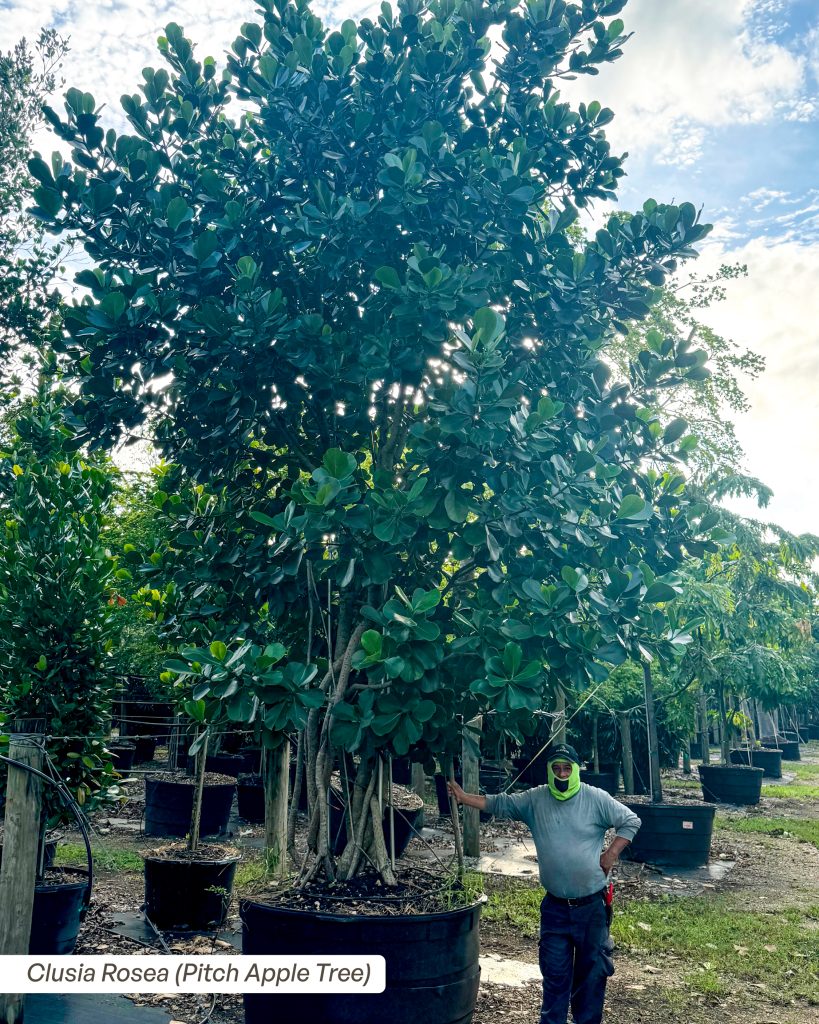
While most recognize Clusia rosea for its thick, leathery leaves often “autographed” by admirers, this tropical tree also develops prop-like aerial roots as it matures. These roots lend it a sculptural quality and make it a versatile choice for coastal or urban landscapes. Working beautifully as a standalone specimen, natural barrier, or a feature in tropical gardens, the autograph tree blends resilience, salt tolerance, and evolving aerial roots that reflect the perfect combination.
Ready for Some of Nature’s Magic?
Aerial root trees don’t just grow — they transform spaces. With their dramatic forms, ecological benefits, and unmatched beauty, they are living sculptures that bring lasting character to any landscape. At TreeWorld Wholesale in Homestead, Florida, you’ll find an impressive selection of unique trees with aerial roots, along with expert guidance to match your project’s needs. Contact us today or call us at 305-245-6886 to schedule an appointment and discover how aerial root trees can bring timeless allure to your designs.