
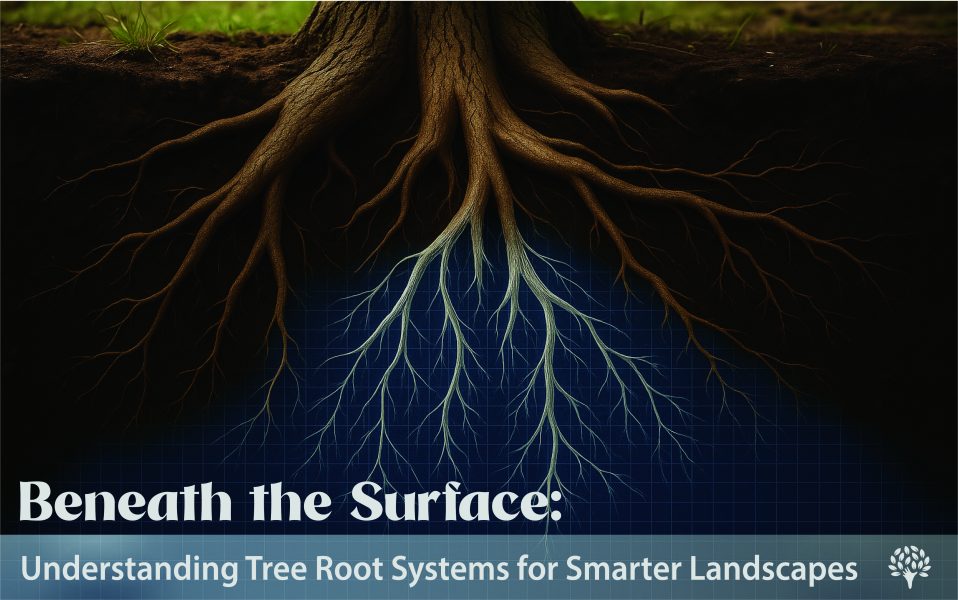
Roots aren’t just underground—they’re the blueprint for smarter landscapes. The right root system can stabilize, nourish, and transform your design, while the wrong one can spell trouble. Dive in to uncover the secrets beneath the soil.
From surface-clinging fibrous roots that weave a dense network, to deep-driving taproots anchoring trees through storms, each root type tells its own story. Some spread wide and shallow, holding topsoil in place, while others plunge vertically to reach hidden water reserves. There are even adventitious roots that spring from unexpected places, adding resilience where it’s needed most. Understanding these variations isn’t just botany—it’s the foundation of designing landscapes that last.
The Importance of a Tree’s Rooting System in Landscape Design
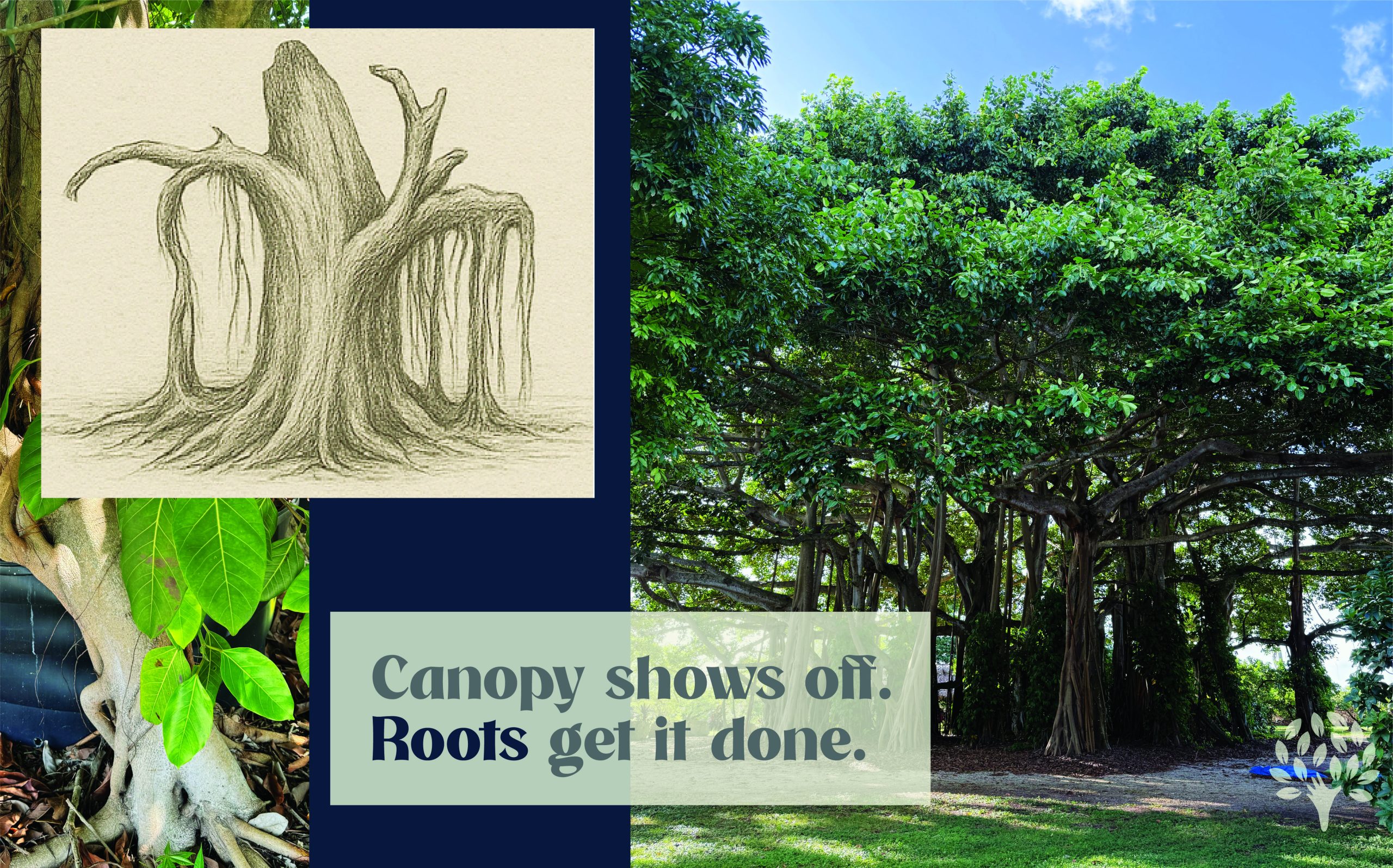
When designing a sustainable landscape, it’s easy to focus on the canopy: the flowers, the shade, the seasonal color. But what happens underground is just as critical to the success of the project. A tree’s root system is its silent partner – it determines how well the tree grows, how it interacts with its surroundings, and how it will perform over time.
Stability and Safety
In hurricane-prone regions like Florida and the Caribbean, stability goes beyond aesthetics. Roots are the anchors that keep trees upright against gravity, wind, and storms — they are the foundation of resilience. Choosing species with deep or wide-spreading root systems ensures safety as much as beauty.
Adaptability to Soils and Climate
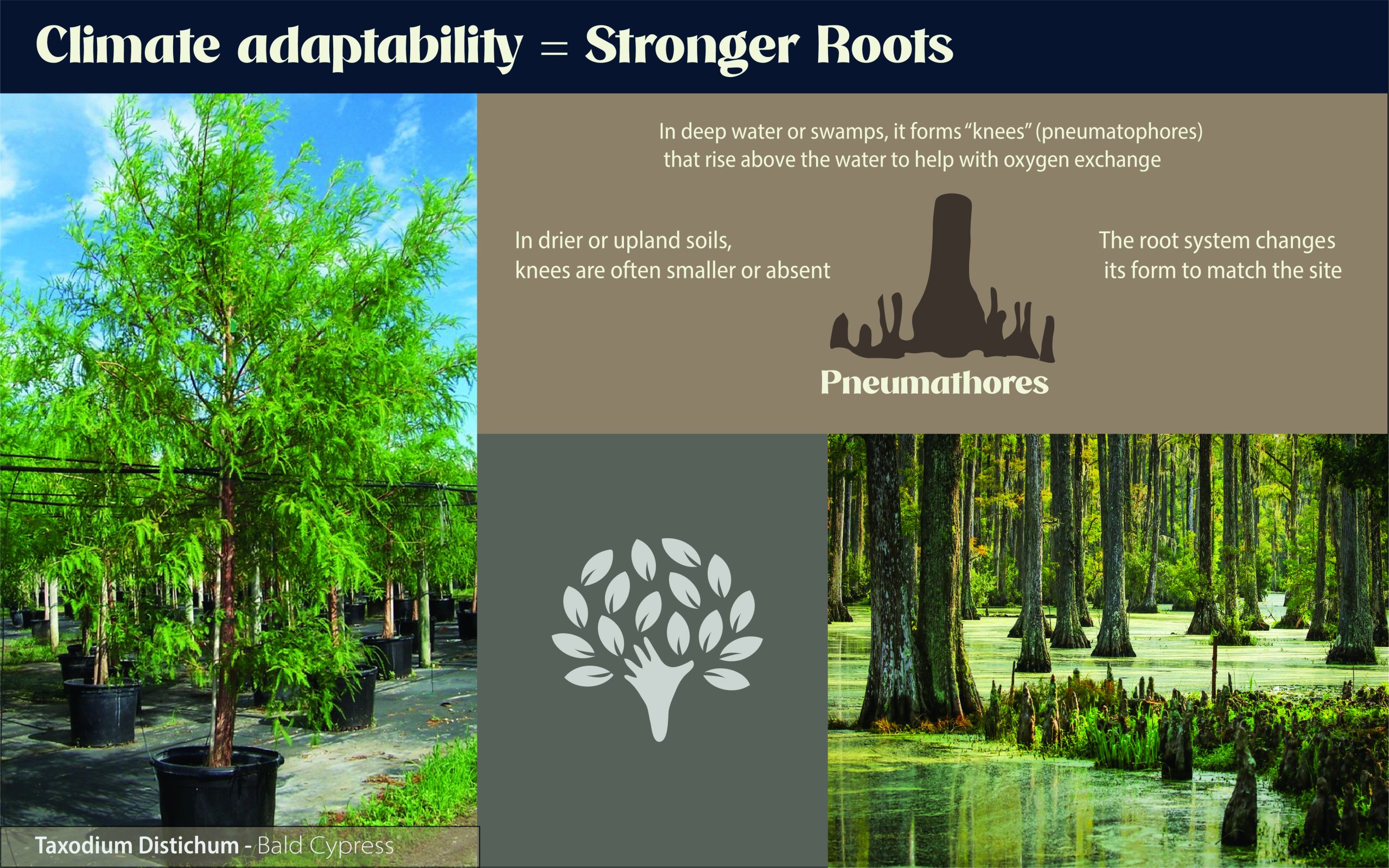
Not all sites are equal, and trees adapt to thrive through their roots. The Bald Cypress (Taxodium distichum), for example, develops specialized roots that allow it to survive in waterlogged conditions, turning a challenging site into a thriving habitat. By understanding these adaptations, designers can match trees to the right soils and climates, ensuring success where others might fail.
Interaction with Infrastructure
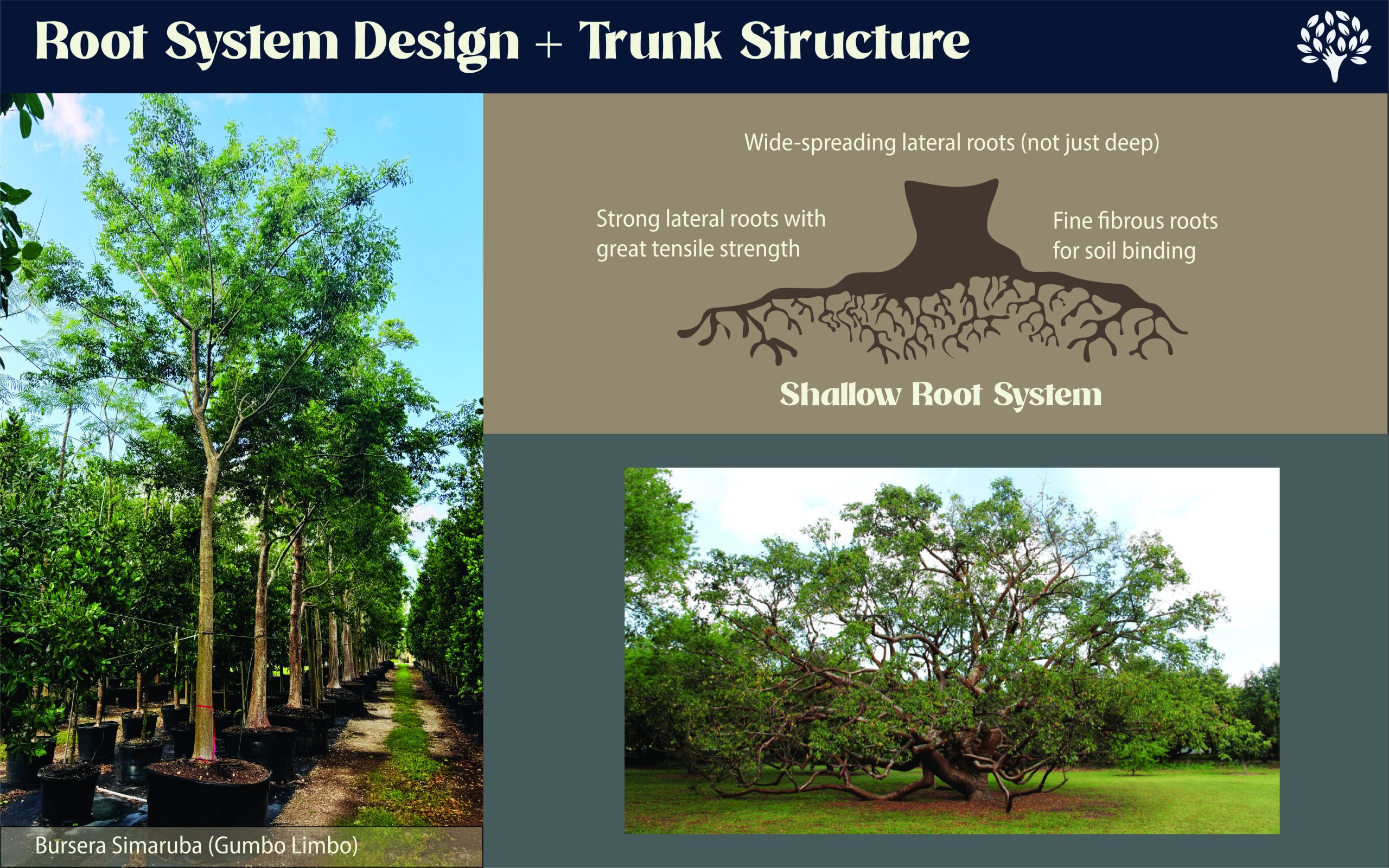
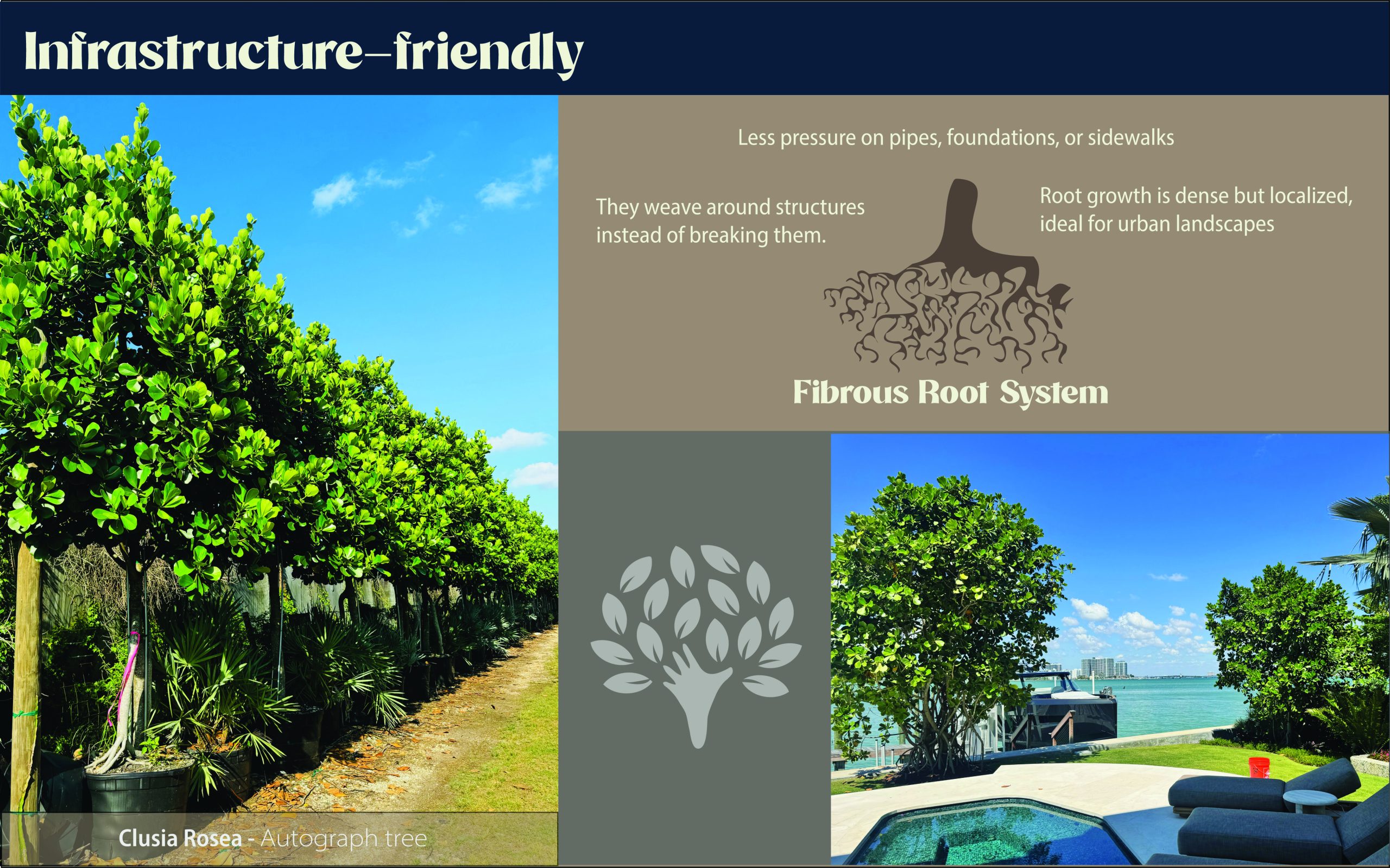
Roots don’t stay silent when it comes to the built environment. Shallow-rooted species can crack pavements, lift sidewalks, or invade plumbing lines. By contrast, trees with fibrous or compact root systems, such as Clusia, coexist more easily with hardscape. This makes root selection a key factor in urban planning and design.
Longevity and Maintenance
The life expectancy of a landscape often depends on what’s below the surface. Trees with aggressive or shallow roots may require frequent pruning, costly repairs, or eventual replacement. The right match between root system and site conditions, however, leads to lower maintenance costs, stronger establishment after planting, and long-term beauty and resilience.
Hidden Contributions to the Ecosystem
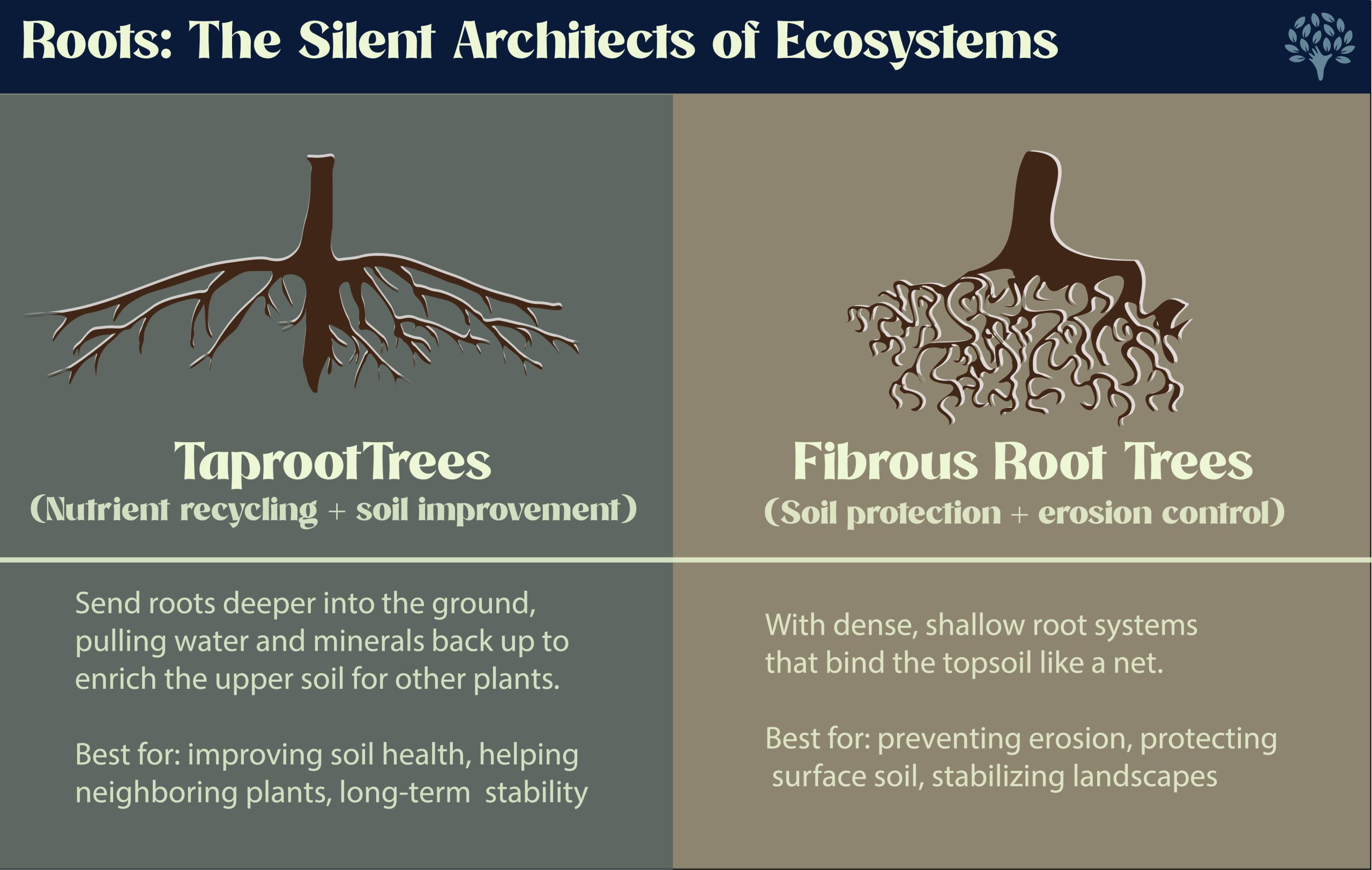
Beyond structure and stability, roots also sustain ecosystems. Fibrous roots prevent erosion and hold soil together, while deep-rooted species recycle nutrients and improve soil fertility for surrounding plants. In naturalized landscapes, this underground work supports biodiversity and ensures the health of the entire system.
Practical Insights for Design
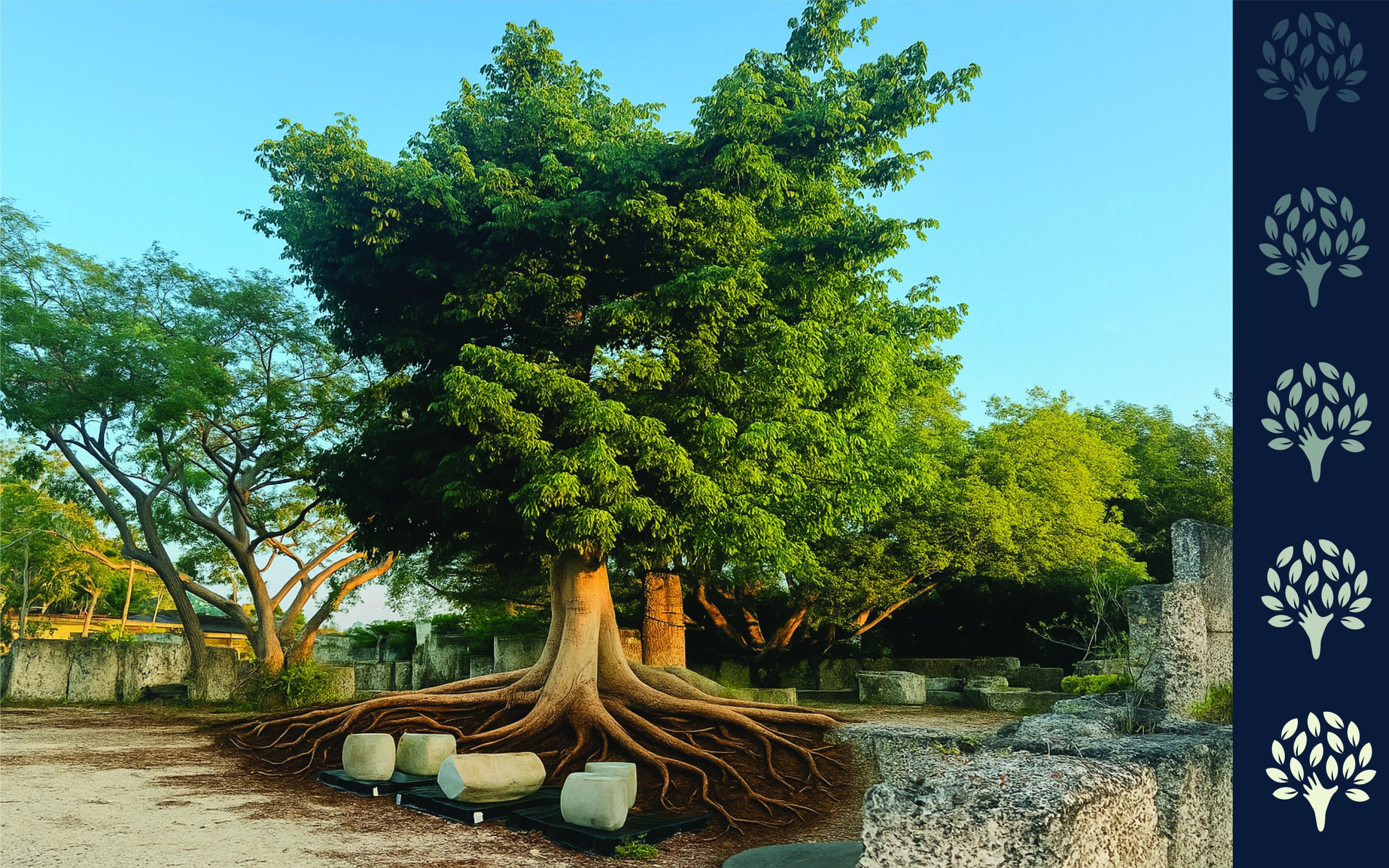
When planning a landscape, consider the root systems as much as the canopy. Shallow or fibrous roots work well in urban spaces, keeping sidewalks and infrastructure safe. Deep taproots provide stability in hurricane-prone areas, while aerial or pneumatophore roots excel in wet or coastal sites, stabilizing soil and preventing erosion. For open spaces, dramatic buttress or aerial roots can create striking focal points, combining functionality with visual impact.
7 Types of Root Systems
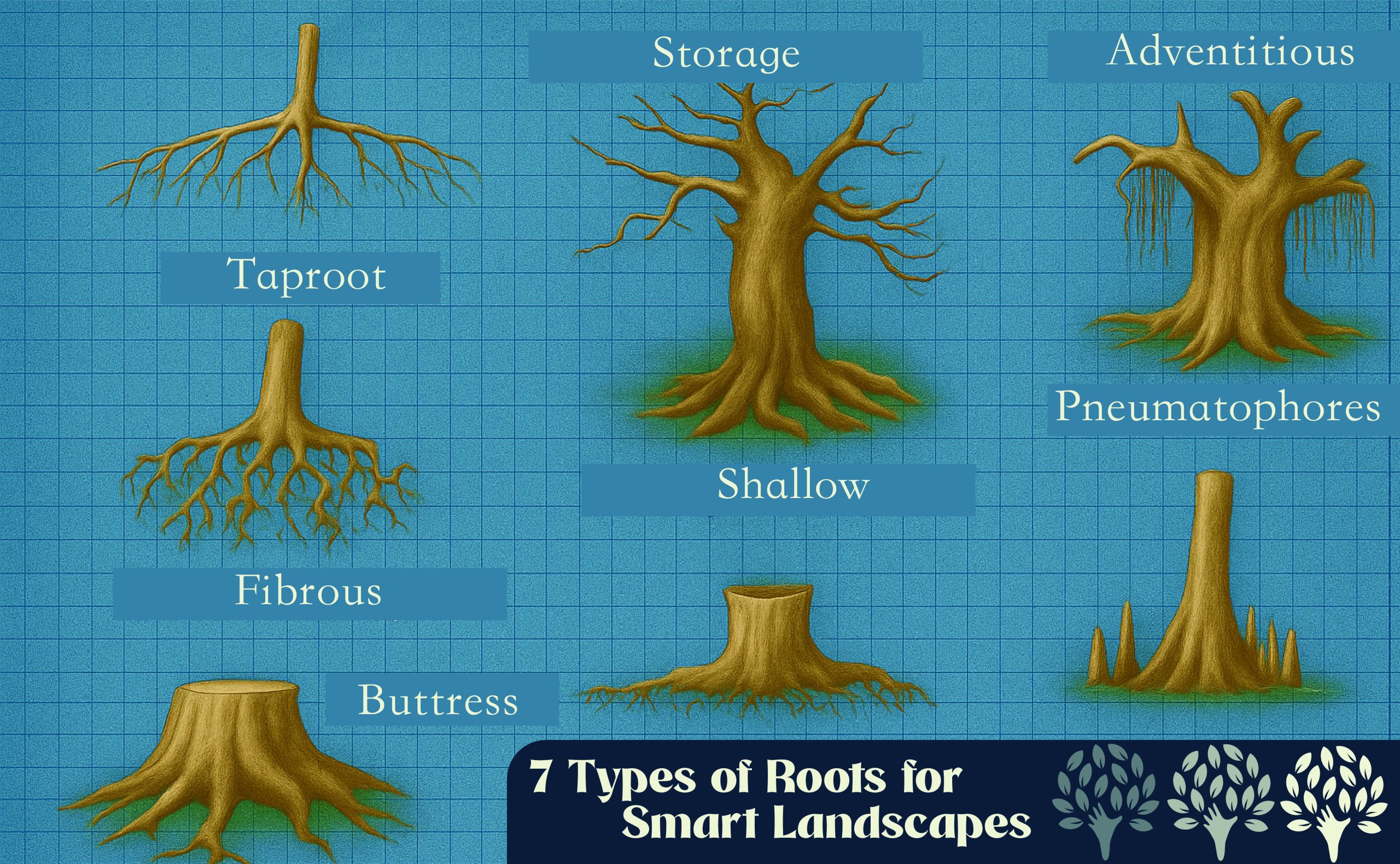
That’s why it’s important to understand the seven main root types and how each one shapes landscape design. The taproot system anchors the tree deep below the surface. Fibrous roots form a dense network that absorbs water and nutrients quickly, making them ideal for sandy soils. Buttress roots are striking and sculptural. Pneumatophores help trees anchor soil in tidal areas. Some species grow shallow roots with a wide reach. Others develop adventitious prop roots (aerial roots) that offer both support and character. Storage roots serve as nature’s reservoirs, holding food and water. Roots are also dynamic. A young tree may start with one root type but shift as it matures, adapting to its needs. This hidden world beneath the surface is both complex and breathtaking.
Find the perfect tree with the right root system at TreeWorld!
Roots are more than just anchors — they’re the hidden architecture of resilience, adaptability, and beauty. By looking beneath the surface, we can make smarter decisions in landscape design, ensuring that trees not only thrive but also fit perfectly into the landscape. At TreeWorld, we guide you in selecting the right tree species not only for their shade, flowers, or canopy, but also for the root systems that will sustain them for decades to come. Contact us today or call us at 305-245-6886 to schedule an appointment and discover the right tree for your project!