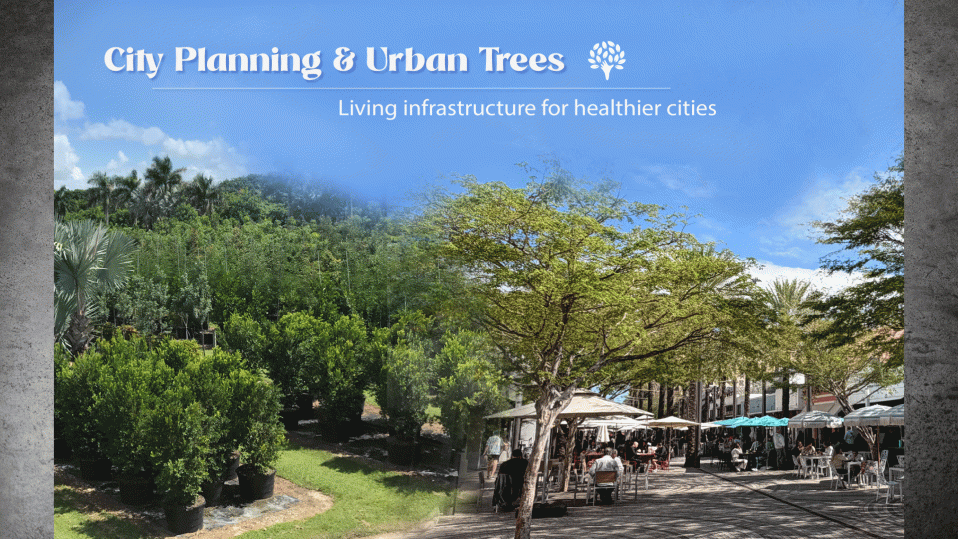
Have you ever thought about what urban trees really mean? When people picture trees in cities, they often think of beauty. Shady sidewalks, leafy parks, or charming streetscapes. And while trees certainly make cities more attractive, their true value goes far deeper.
Planting trees is not just an aesthetic choice. It is a public health strategy, a climate solution, and one of the smartest investments a growing city can make.
Why Urban Tree Programs Are Important?
Recent research shows that well-planned urban tree programs can save tens of thousands of lives each year by reducing pollution, lowering extreme heat, and improving overall air quality. As cities continue to grow, trees may become one of our most powerful tools for survival in a warming world.
“A lot of cities still think of trees as ornamentation,” says the lead scientist of The Nature Conservancy’s Global Cities program. “But they do so much more than that. The evidence shows we should think of trees as a core part of public health infrastructure.”
Trees as Urban Infrastructure
We are all part of the fight against climate change. Trees absorb carbon dioxide from the atmosphere and store it in their trunks, branches, and roots. In dense urban environments, where emissions are highest. This natural carbon capture plays a critical role in slowing climate change.
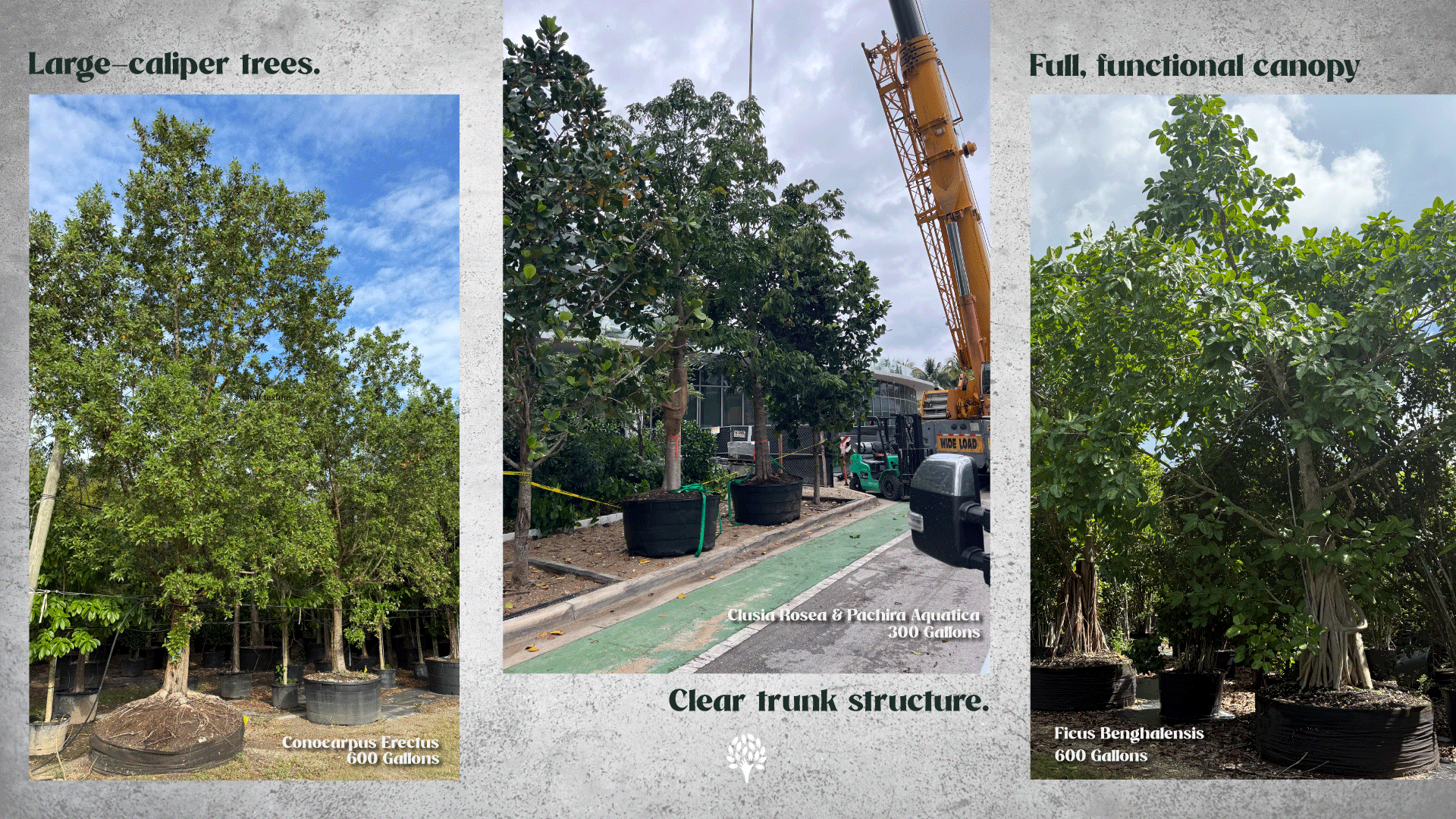
Urban forests may not solve climate change on their own. But they significantly reduce a city’s carbon footprint while improving air quality at street level.
According to ScienceDirect, Miami-Dade County (Florida, USA) has been cited in scientific literature as one of the U.S. cities using urban forests as a carbon-offset strategy. This means local trees are officially recognized for their role in removing CO₂ from the atmosphere.
What Is Considered a Florida Urban Tree?
Urban trees do far more than shape the urban landscape. They act as living infrastructure, capturing carbon, cooling cities, and improving air quality where it matters most.
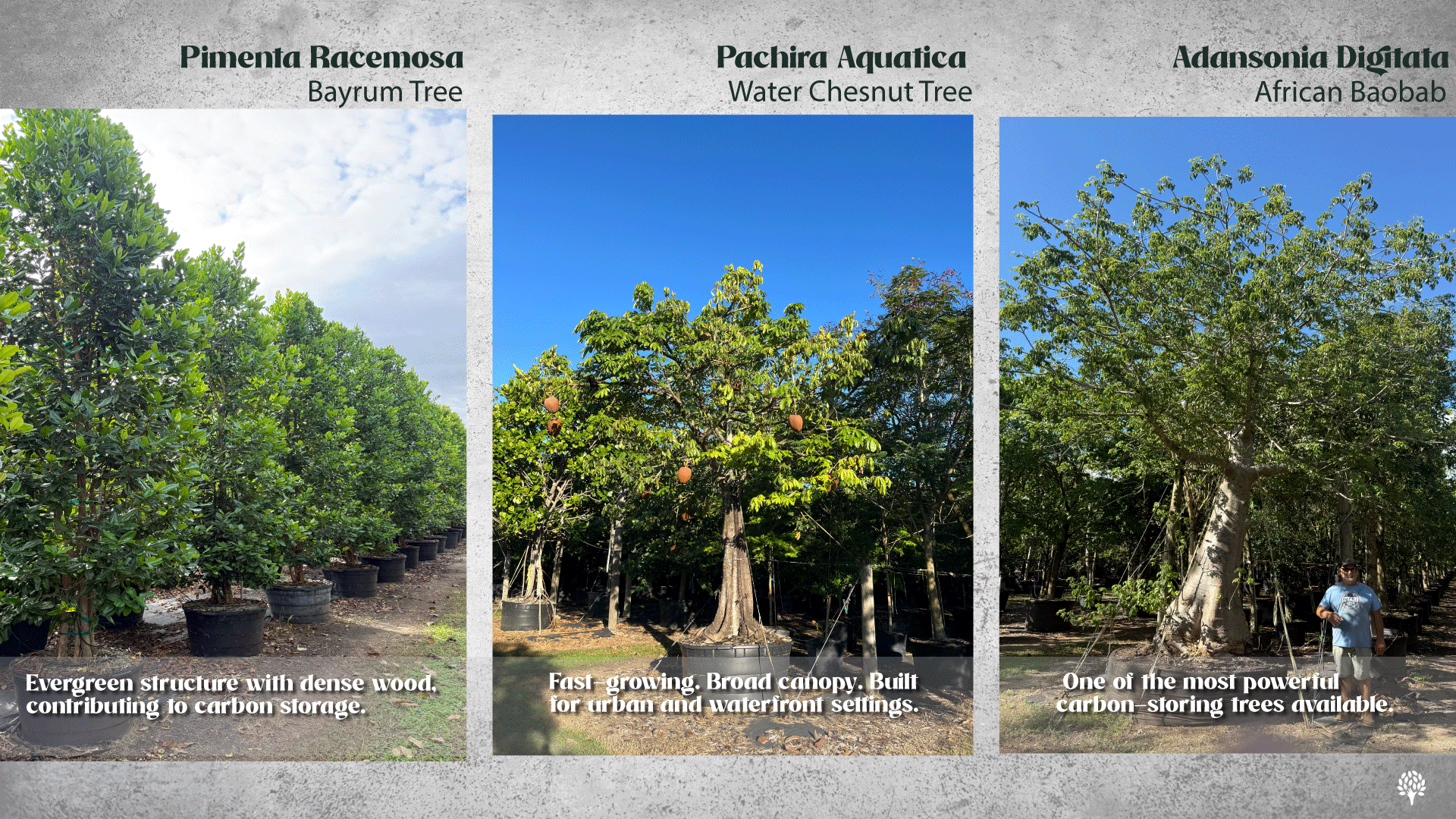
As cities grow denser and hotter, the role of urban forests becomes even more critical. Especially in post-pandemic cities now facing rising temperatures, increased pollution, and growing public health challenges.
Breaking Down the Benefits of Urban Trees
At TreeWorld, we believe trees for sale are more than design elements. They are living systems that shape healthier cities, stronger landscapes, and more resilient communities. To understand their value, it helps to look at what trees actually do.
Trees Capture and Store Carbon
Trees naturally remove carbon dioxide (CO₂) from the atmosphere through photosynthesis, storing it in their trunks, branches, leaves, and root systems. Once captured, that carbon can remain locked away for decades, making mature trees a powerful long-term climate asset.
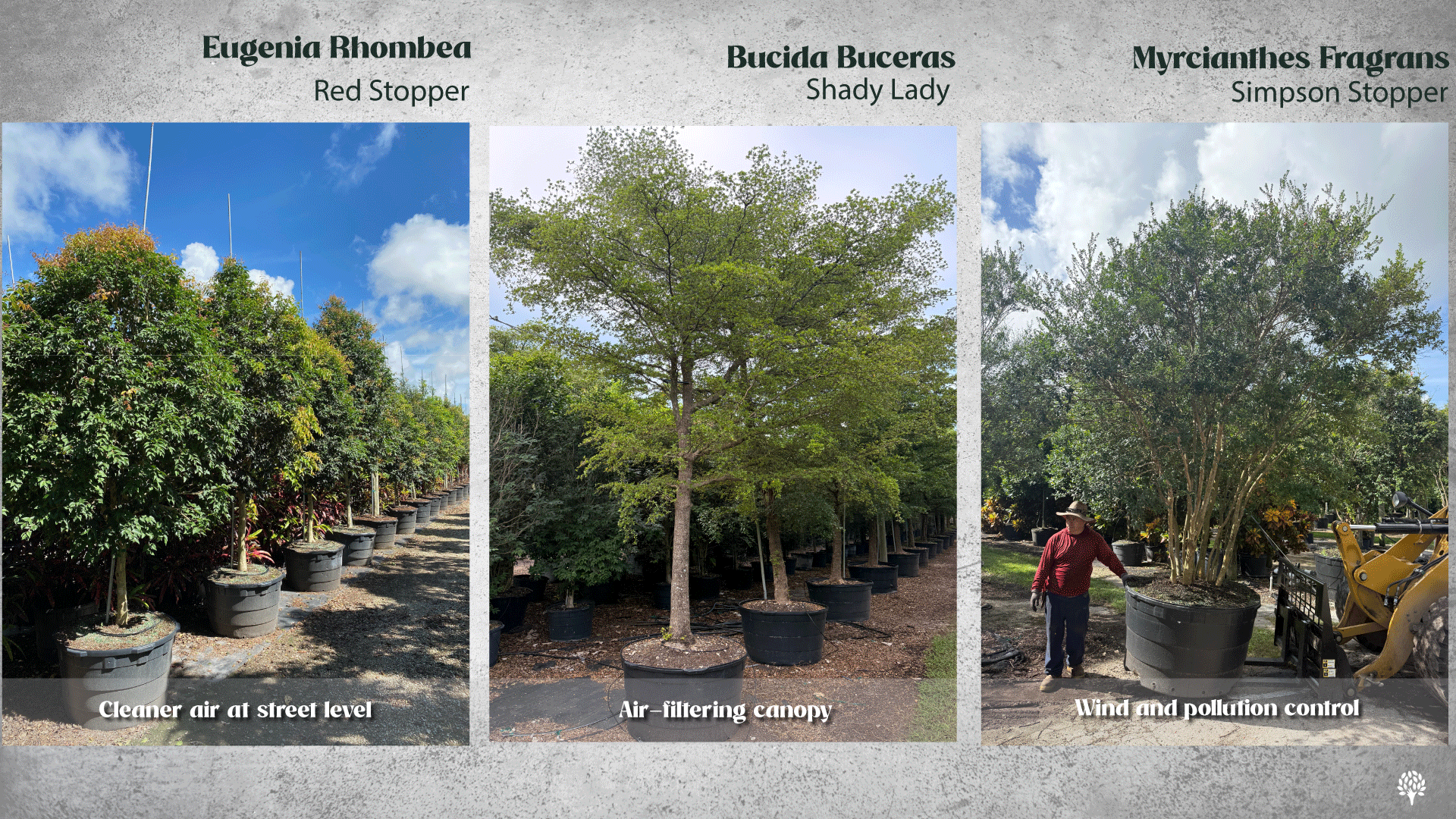
Here’s why that matters:
- Urban forests can offset 1–4% of a city’s total carbon emissions, depending on canopy coverage.
- Mature trees store hundreds of pounds of carbon over their lifetime.
- Larger, well-established trees sequester significantly more carbon than young plantings.
This is why protecting mature trees, and planting the right species for long-term growth, makes such a meaningful difference.
Cleaner Air at Street Level
Trees do more than absorb carbon. They also act as natural air filters, improving the quality of the air we breathe every day.
Their leaves capture harmful pollutants such as: Fine particulate matter (PM2.5), ozone and n nitrogen dioxide
These pollutants are closely linked to asthma, cardiovascular disease, and respiratory illness. In urban areas with strong tree canopy coverage, air pollution levels can drop by up to 25%, especially along roads and pedestrian corridors.
This is one of the reasons urban trees play such a critical role in public health. Particularly in places of dense, high-traffic environments.
Urban Trees Cool Cities and Save Lives
Cities are getting hotter. Concrete, asphalt, and reduced green space can raise urban temperatures by 5–10°F compared to surrounding areas. A challenge that continues to grow as cities expand.
Urban trees help reverse this effect in powerful ways:
- Their canopy provides shade that lowers surface temperatures
- Through evapotranspiration, they release moisture that cools the air
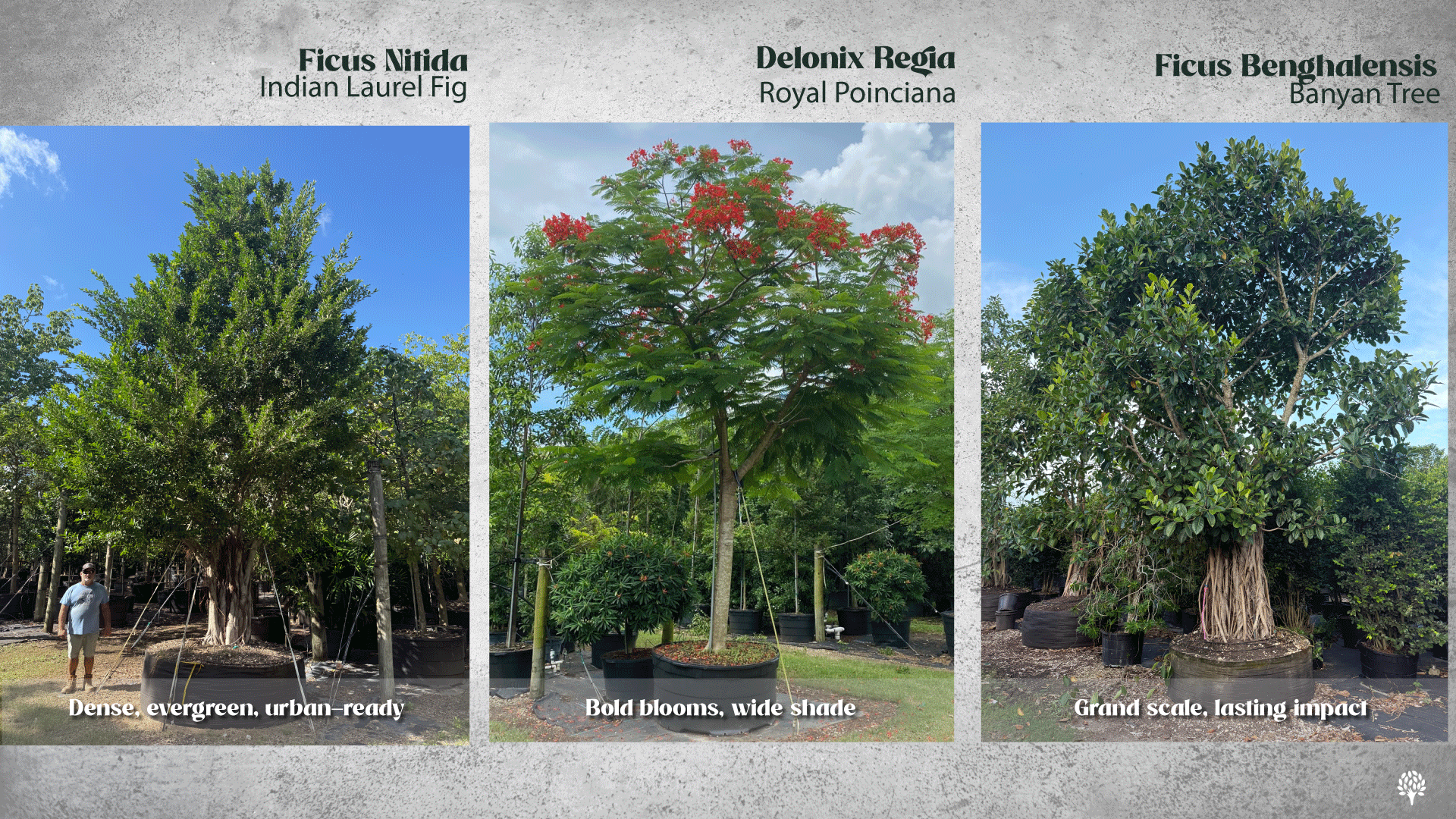
In well-planted areas, tree-lined streets can be 10–15°F cooler than exposed urban zones. Research also shows that strong urban tree coverage reduces heat-related illness and mortality during extreme heat events.
At TreeWorld, this is why we view trees not only as design assets, but as infrastructure. They cool our cities, clean our air, and protect the people who live in them.
Urban Tree and Landscape – More Than Just Shade
Urban trees do far more than cool our cities. Their impact reaches every part of urban life.
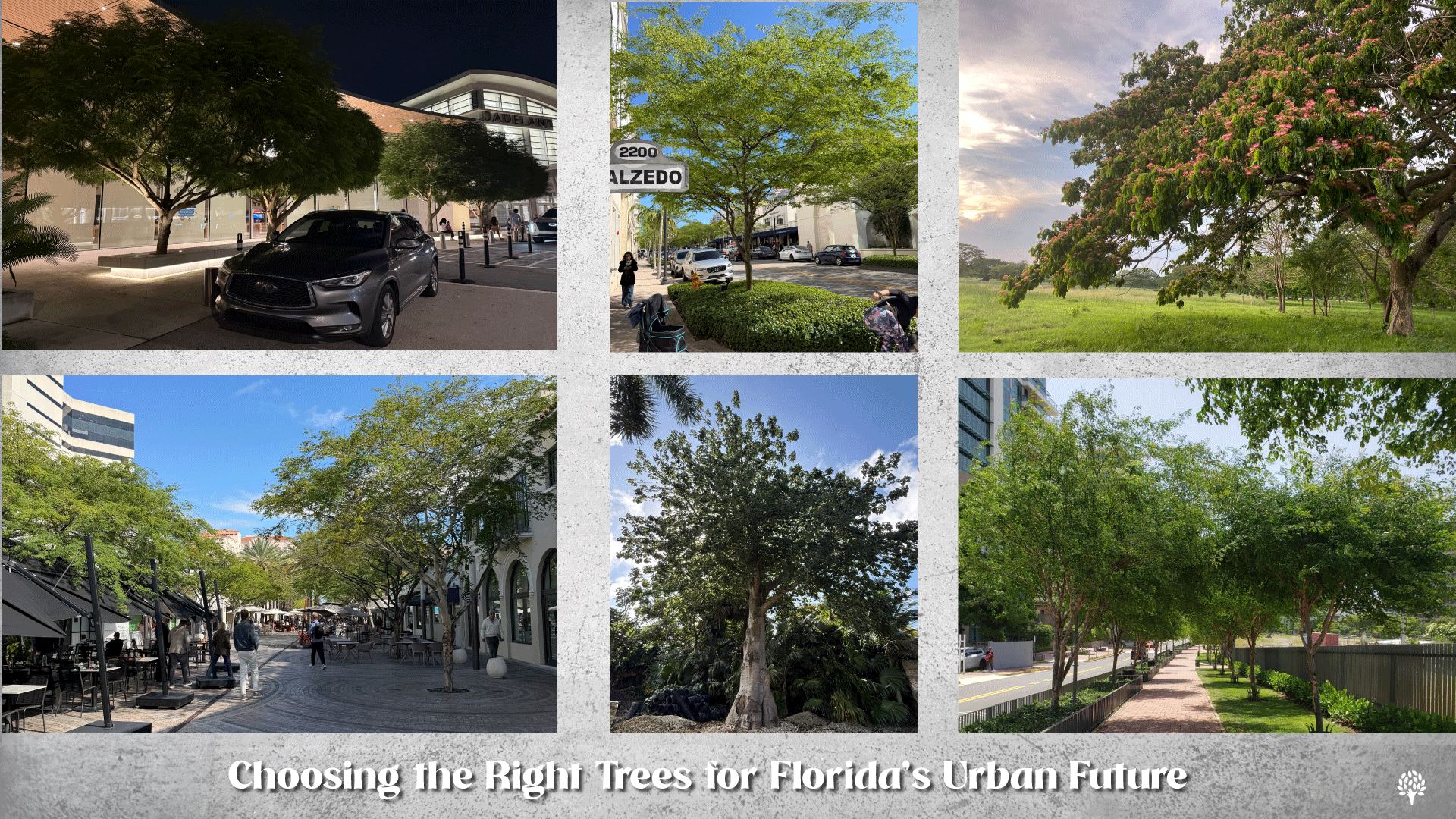
- Aesthetic & Economic Value: Tree-lined streets feel better to live in. And they’re worth more. Properties surrounded by mature trees consistently show higher value and stronger curb appeal.
- Health & Movement: Green spaces encourage walking and outdoor activity, helping reduce stress and support overall physical health.
- Biodiversity Support: Urban trees provide vital habitat for birds, pollinators, and wildlife, keeping ecosystems alive even in developed areas.
- Sense of Place: Trees shape neighborhoods, create landmarks, and bring people together. They give cities identity and character.
- Erosion Control: Tree roots stabilize soil and help prevent erosion, especially in urban and coastal settings.
- Stormwater Management: Trees absorb rainfall, filter pollutants, and reduce runoff—easing pressure on drainage systems.
- Flood Protection: By slowing water flow and absorbing excess moisture, trees help reduce flood risk and protect coastal areas.
Trees and Urban Planning in Florida
In Florida, the role of urban trees extends well beyond aesthetics. The state’s climate, density, and exposure to extreme weather demand landscape solutions that perform at an infrastructural level.
High temperatures, increasing development, heavy rainfall, and coastal vulnerability make tree selection and placement a critical part of urban planning. When properly specified, trees contribute measurable benefits: reduced surface temperatures, improved stormwater management, enhanced air quality, and greater long-term site resilience.
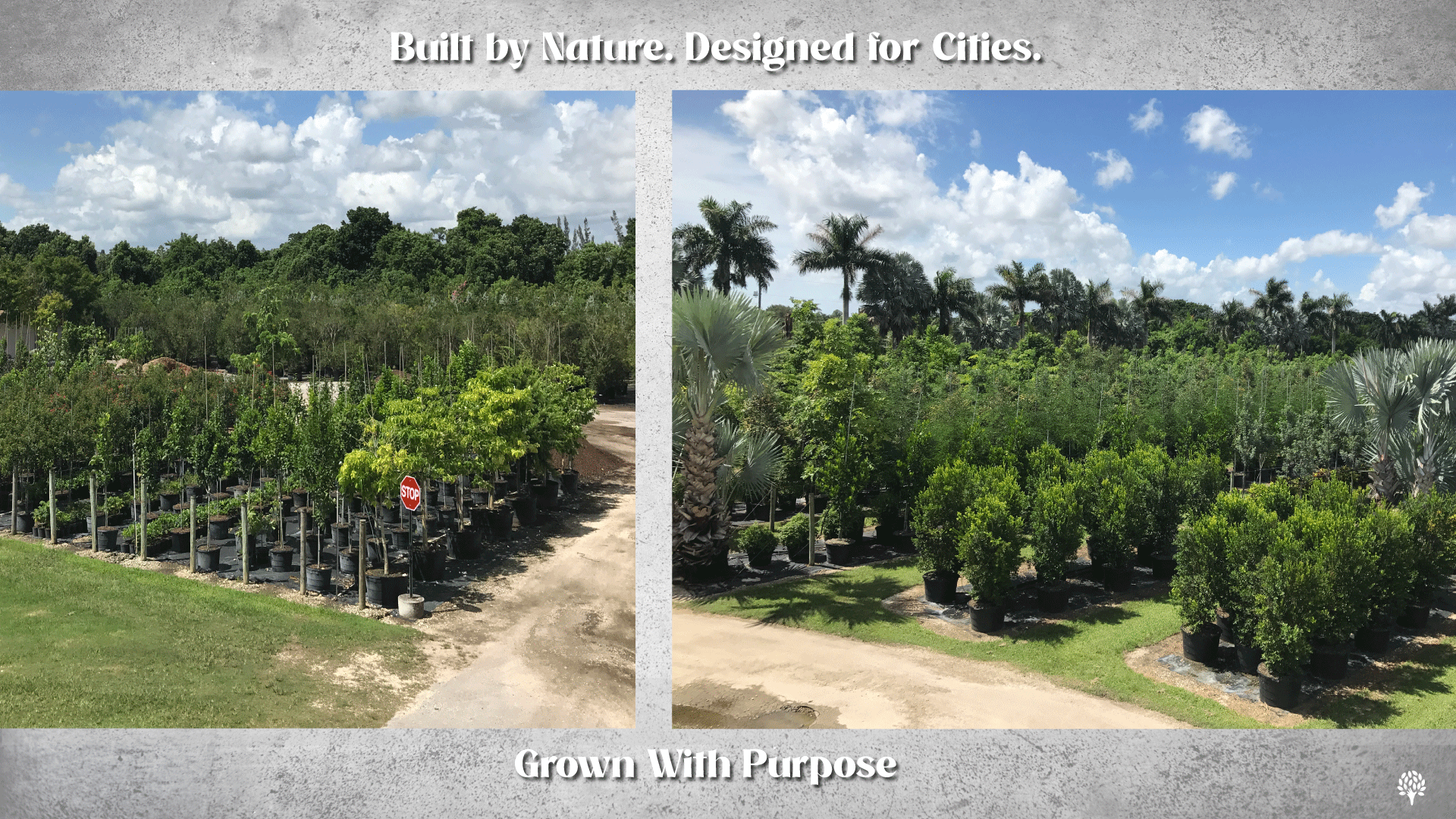
Florida’s growing conditions also present a unique opportunity. With the right species selection, trees establish quickly, provide year-round canopy, and deliver consistent environmental returns. Large-canopy shade trees, wind-tolerant species, and salt-adapted varieties play a direct role in mitigating heat islands, managing runoff, and stabilizing urban soils.
This is why urban forestry must be approached strategically. Tree selection, spacing, soil volume, and long-term maintenance all influence performance over time. When treated as part of a city’s infrastructure, rather than as decorative elements. Urban trees become essential tools for climate adaptation, public health, and sustainable development.
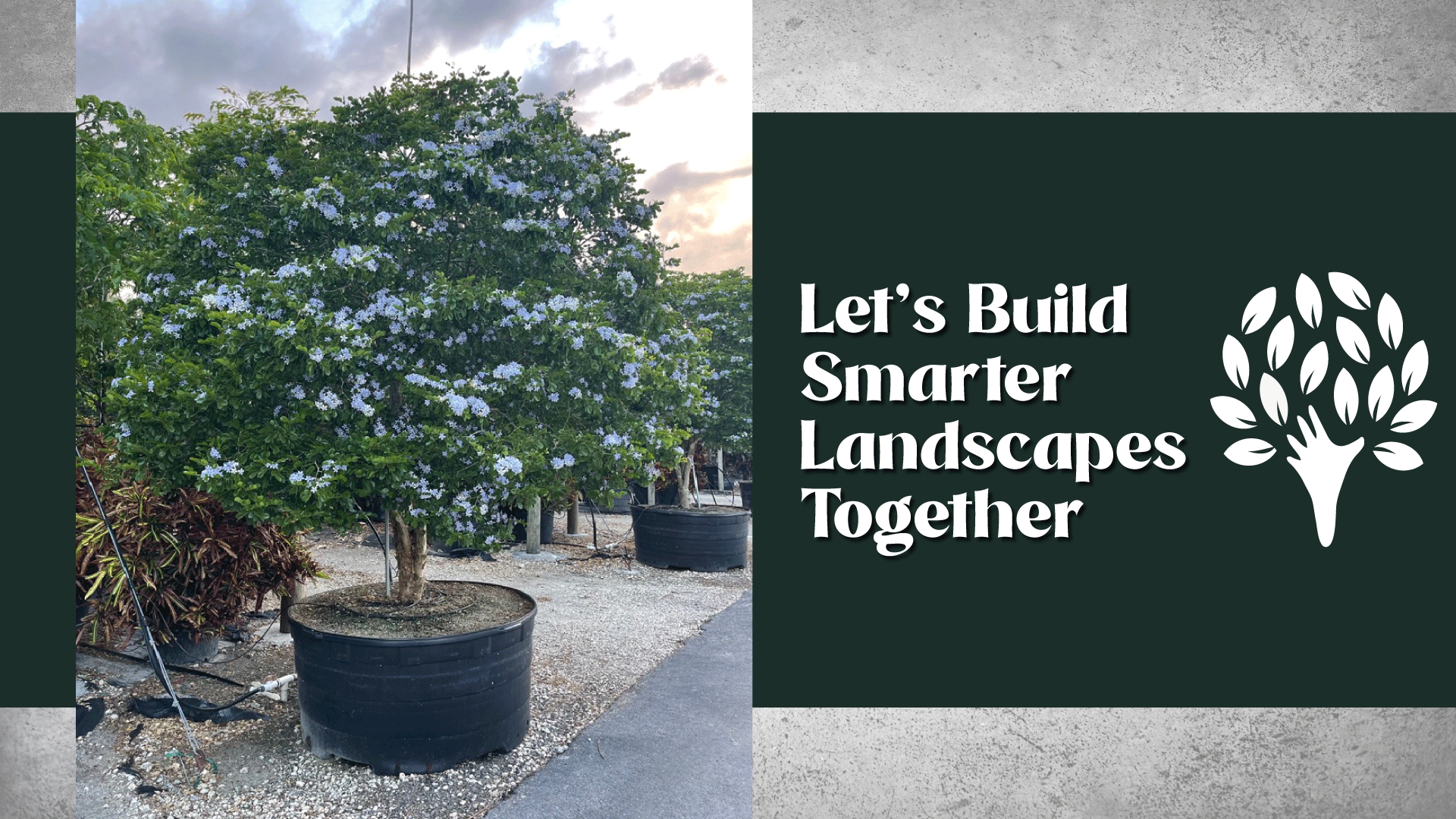
Let’s Build Smarter Landscapes Together
Urban trees are not an afterthought. They are foundational to resilient, high-performing landscapes. In Florida, where climate conditions demand thoughtful design and long-term planning, the right tree selection can shape the success of a project for decades.
At TreeWorld, we work closely with landscape architects, planners, and developers to provide tree solutions that meet both environmental and design goals. From species selection and sizing to availability and logistics, our focus is on supporting projects that require reliability, performance, and longevity.
Whether you’re designing a streetscape, a mixed-use development, or a large-scale urban project, we’re here to help you choose trees that do more than fill space.
Ready to plan your next project?
Contact us to discuss species availability, specifications, and project needs. Or visit our nursery to see our trees in person.
📍 TreeWorld Wholesale, Inc. – Homestead, Florida 📞 305-245-6886
🌿 Let’s grow smarter, more resilient landscapes together.