
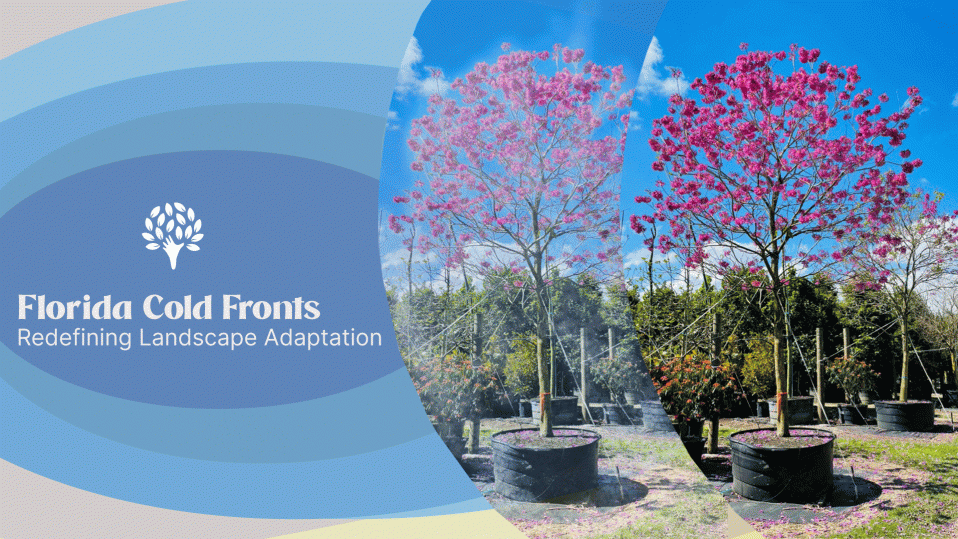
Even if the sun is shining once again, Florida is still feeling the effects of an unusual cold front. With temperatures dropping well below what many expect in a subtropical region. These events force us to ask: how do plants respond to winter in Florida?“
Each time the climate challenges us, whether through extreme heat, storms, or cold snaps, our trees and landscapes are asked to perform. Trees do not hibernate. They cannot pause growth or retreat from exposure when conditions shift. They stand in place and respond.
Adaptation is built into their biology. Time and again, trees prove it. Few living systems are as resilient as trees placed in the right conditions.
Protecting Florida Landscapes from Frost: What You Need to Know
Arctic cold air has pushed deep into the Southeast, bringing unusually bitter temperatures as far south as Florida. Wind chills below freezing are affecting the entire state, with northern areas experiencing severe wind chills and cities forecasting record breaking temperatures.
We must acknowledge that conditions like these are no longer rare anomalies. They are becoming part of a changing climate pattern that continues to challenge both natural and built landscapes.
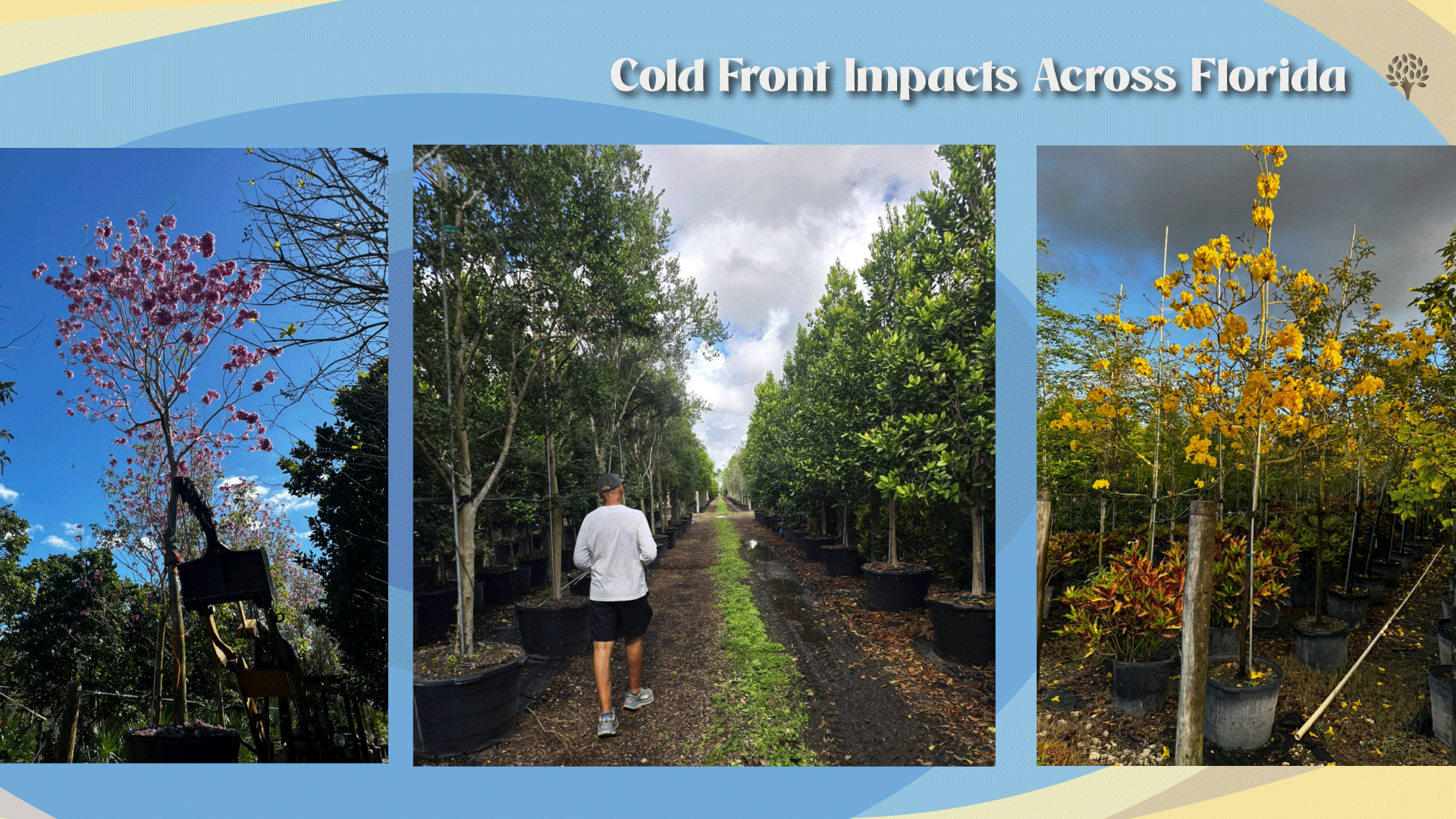
At TreeWorld, where much of our inventory consists of tropical and subtropical trees. These events reinforce the importance of understanding how trees cope with cold. And how we can support them through it.
Below are a few key insights worth keeping in mind during cold fronts.
Water Management A Critical Tool During Frost Events
One of the most important, and often misunderstood, factors during cold weather is proper water management.
When frost is expected, irrigation can actually help protect trees. Water applied before sunrise can assist in defrosting ice as temperatures rise. Ice left on foliage can act like a magnifying glass once the sun hits it, increasing the risk of tissue burn. Controlled watering helps moderate this process and reduce damage.
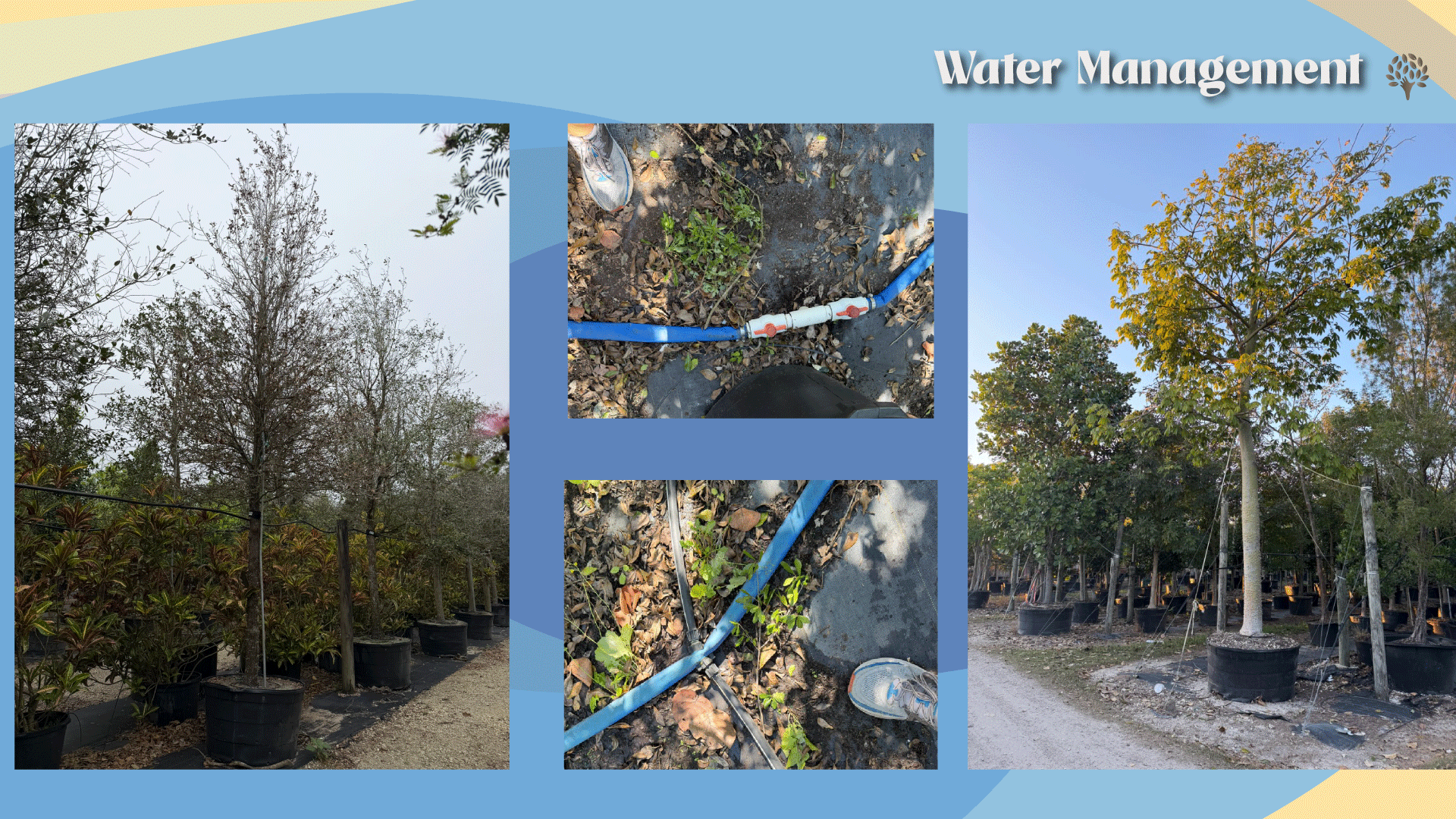
Cold winds can still cause stress and leaf burn, but strategic irrigation can support trees through the most vulnerable hours.
How to water plants during a freeze?
At TreeWorld, our approach is simple and intentional. We keep water at floor level, allowing sunrise and natural evaporation to help stabilize temperatures around the root zone and lower trunk. This method supports the tree without oversaturating foliage or creating additional stress.
What to Do for Your Landscapes and Projects During Cold Fronts
During Florida cold frost events, soil moisture management is one of the most effective tools for reducing cold stress in trees. Moist soil retains heat longer than dry soil. This helps protect root systems and stabilize temperatures during overnight freezes, particularly in tropical and subtropical species.
How to Protect Tropical Trees from Frost: Key Strategies
- Pre Freeze Deep Watering Irrigate trees one to two days before a predicted cold snap. This increases soil heat retention and reduces freeze damage risk, especially for palms, flowering trees, and recently installed material.
- Maintain Balanced Soil Moisture Keep soils evenly moist. Dry soil increases cold injury risk, while oversaturated soils can damage roots and limit oxygen availability.
- Irrigation During Freezes Controlled Use In properly designed systems, irrigation can help moderate plant tissue temperatures by releasing latent heat as water freezes. This approach requires experience and should be applied selectively to avoid additional stress.
- Post Freeze Recovery Once temperatures rise, assess soil moisture and irrigate if needed to prevent dehydration. Delay pruning until cold damage is fully visible.
- Mulching for Root Protection Apply organic mulch around the root zone, keeping it clear of the trunk, to buffer soil temperatures and retain moisture.
Know Your Tree’s Cold Tolerance
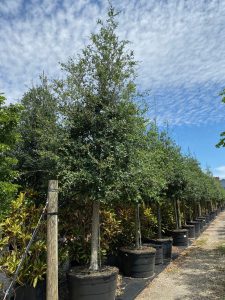
Not all trees respond to cold stress the same way. Some Florida friendly trees such as live oak, southern magnolia, and crape myrtle tolerate brief cold events with minimal impact. More tropical and ornamental species, including many palms and flowering trees like hibiscus, may be more sensitive and require proactive management.
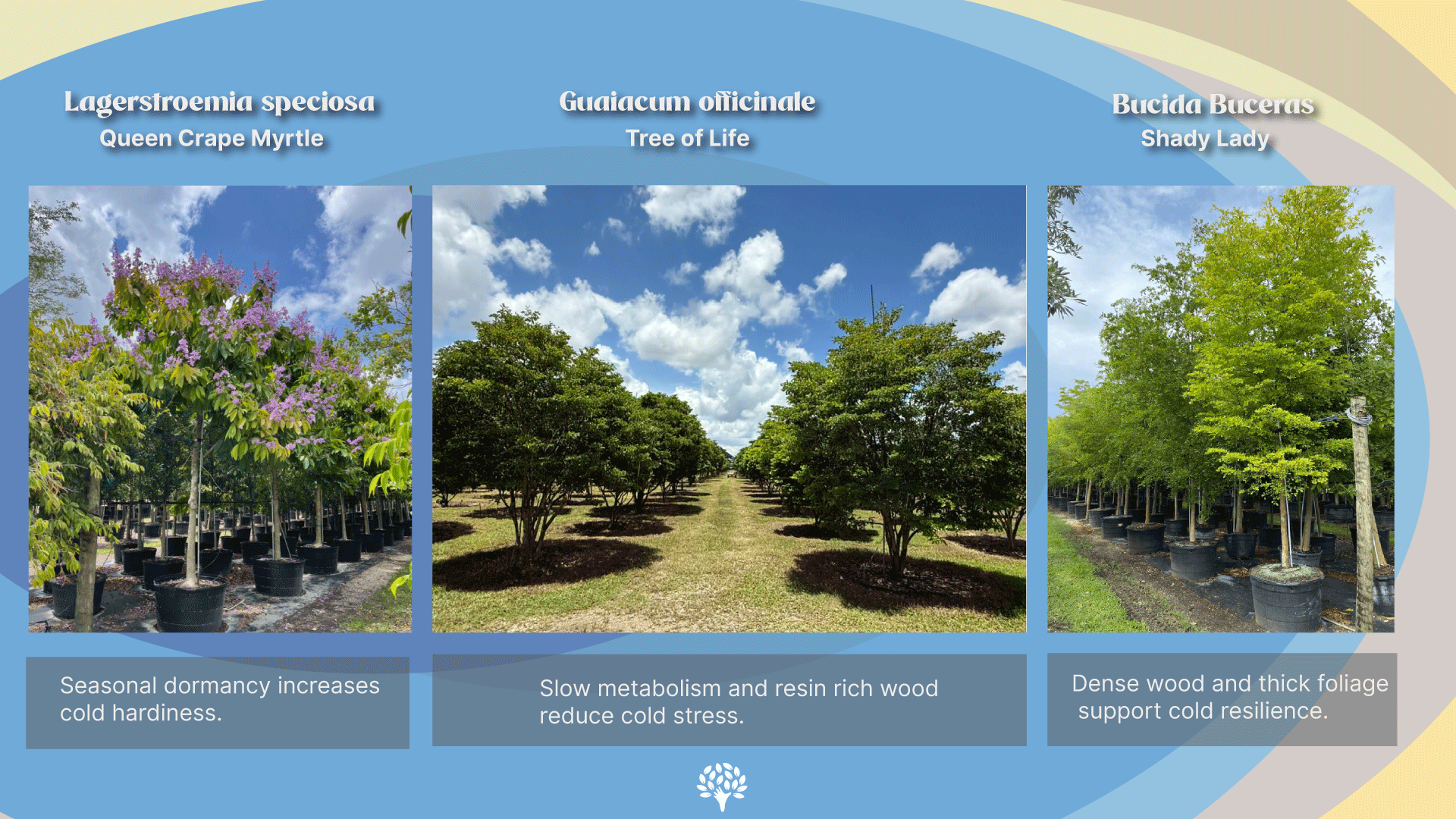
Understanding which species are inherently resilient and which fall closer to their tolerance threshold allows us to prioritize protection efforts. Allocating resources efficiently, and reducing long term damage.
“Not All Trees Read the Same Books”
As our owner Guillermo Valenzuela often says, “Not all trees read the same books.” And, nature has a way of surprising us.
Some tropical species, especially those native to regions with elevation changes or variable climates, have adapted far beyond what their origin stories suggest.
With that in mind, we cannot determine cold tolerance by geography alone. Species respond differently to cold events based on leaf structure, growth habit, physiology, and evolutionary history. This explains why some tropical trees outperform expectations during short term cold stress.
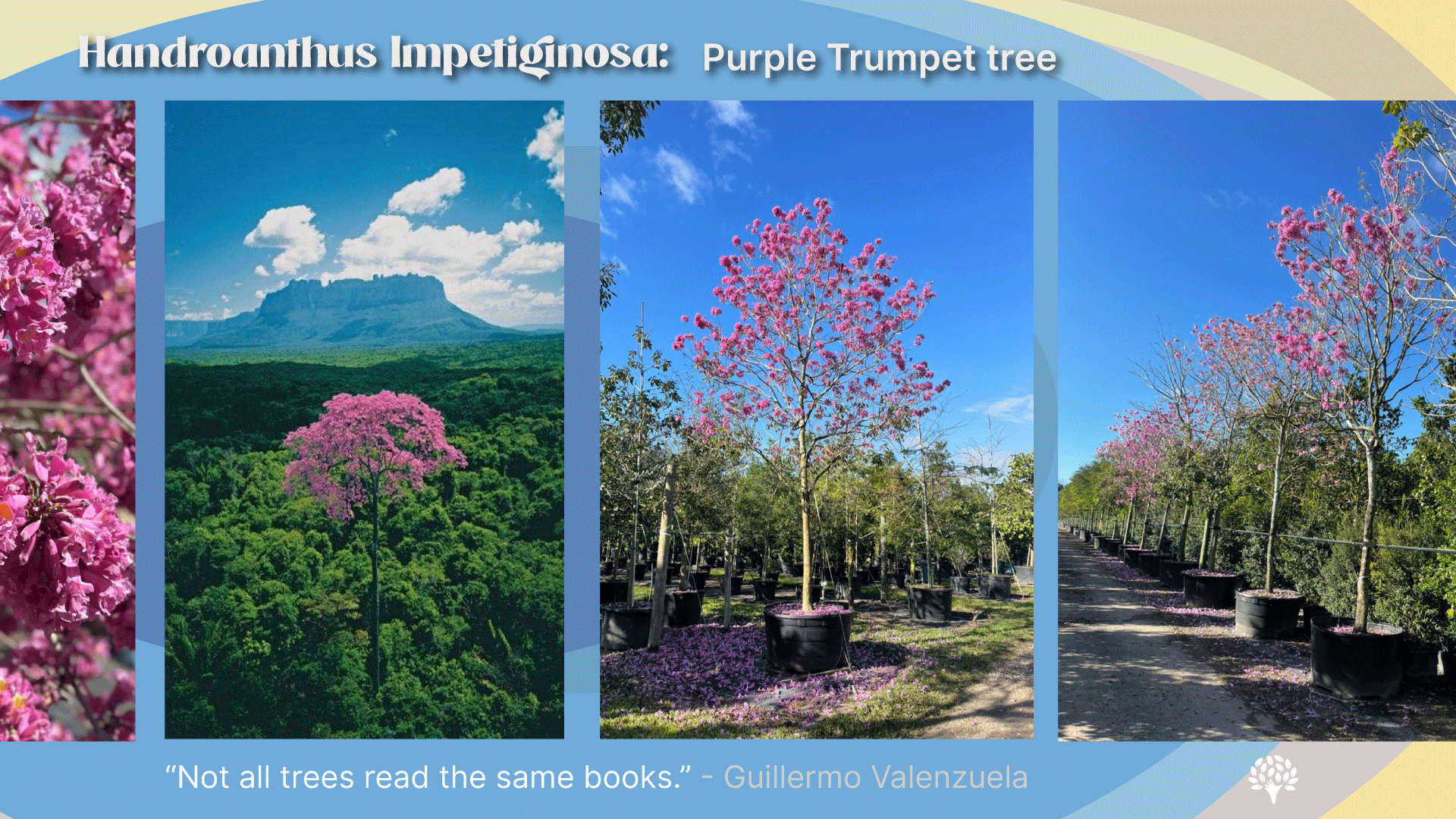
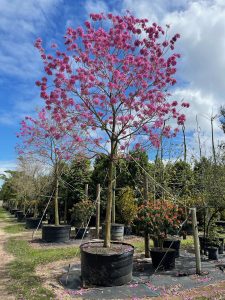
A great example is Handroanthus impetiginosa, commonly associated with the Amazon. Despite its tropical origin, this species has shown strong performance in cooler regions, including parts of Tampa, under the right conditions.
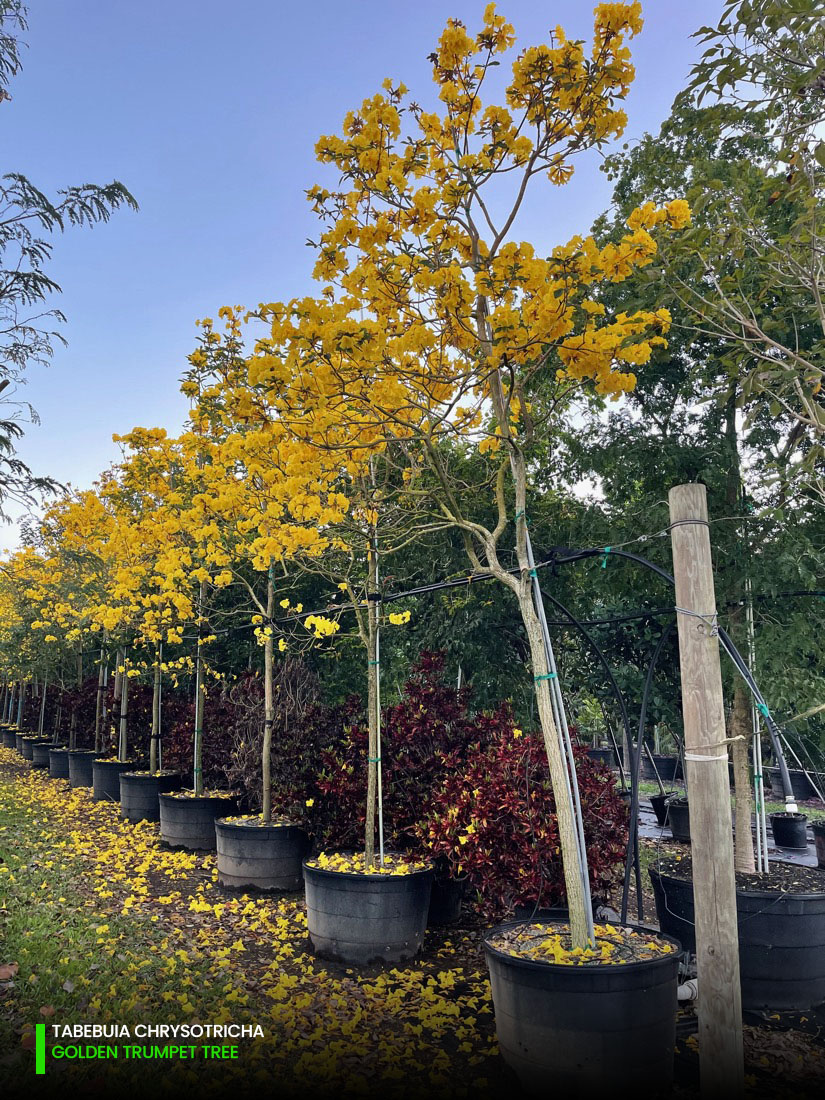
Other standout performers during cold stress include tropical species like Handroanthus chrysotricha and guayacán varieties, which continue to demonstrate resilience even when temperatures dip unexpectedly.
| Tree Species | Cold Tolerance* | Typical Use Case | Design Notes |
|---|---|---|---|
|
Quercus virginiana
|
High | Streetscapes, parks, civic plazas, large urban corridors | Structural anchor species. Excellent recovery after cold, wind, and storm events. |
|
Magnolia Grandiflora
|
High | Public spaces, institutional sites, mixed-use developments | Evergreen presence with strong tolerance to temperature swings. |
|
|
Moderate–High | Urban plazas, coastal and high-exposure sites | Often underestimated; performs well once established despite tropical classification. |
| Handroanthus impetiginosa
|
Moderate–High | Streetscapes, medians, feature plantings | Deciduous under stress; strong rebound after cold fronts. |
|
|
Moderate | Accent trees, seasonal interest areas | Better cold performance than many flowering ornamentals. |
|
|
Moderate | Long-term municipal installations, heritage landscapes | Dense wood and slow growth support resilience. |
|
|
Low – Moderate | Protected courtyards, South Florida projects | Performs best in sheltered microclimates. |
Handroanthus Roseo-Alba |
Low – Moderate | Accent plantings, layered designs | Use with wind protection; not ideal as a primary canopy tree. |
| Lagerstroemia speciosa
|
Moderate–High | Streetscapes, medians, residential boulevards, ornamental corridors | More cold-tolerant than many tropical flowering trees once established. May defoliate or pause growth after cold fronts, but rebounds reliably with warm weather. |




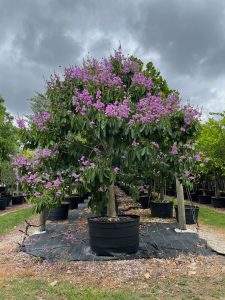
Design for variability, not averages. Anchor projects with resilient trees and layer tropical accents strategically.
Lessons from the Cold
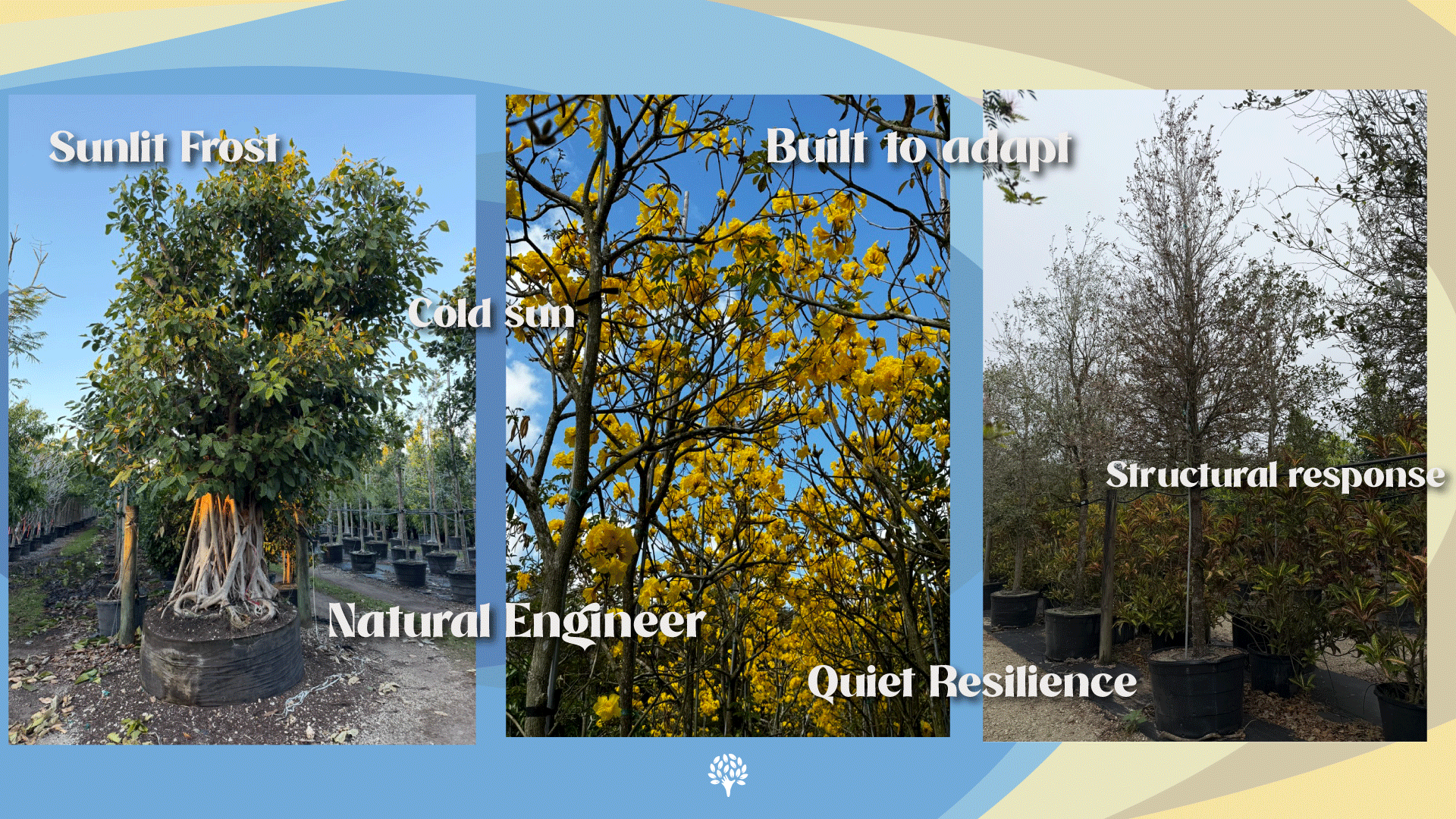
Cold fronts remind us that tree selection, care, and long term observation matter. While no tree is immune to stress, many are far more adaptable than we give them credit for. Especially when supported with informed practices.
At TreeWorld, these moments reinforce why experience, adaptability, and respect for each tree’s unique behavior are essential to resilient landscapes. Contact us if you have questions or need assistance. You can also text us or set an appointment at 305 245 6886.