
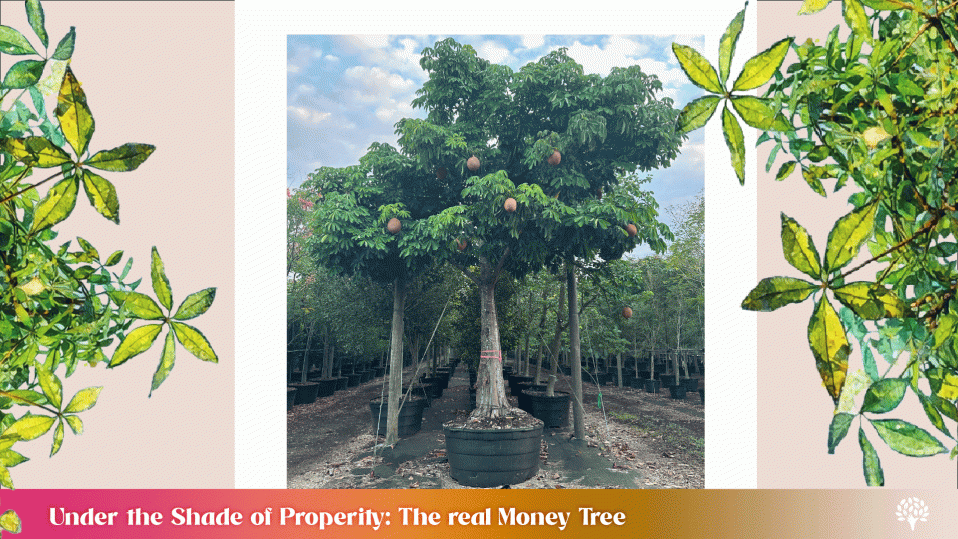
.Native to Central and South America, Pachira aquatica thrives where water meets wind. It is long known as an emblem of balance and good fortune. Its adaptability, serene aesthetic, and architectural presence make it a landscape tree that embodies both beauty and abundance.
Rediscovering Pachira aquatica as a Landscape Tree
Most stories written about Pachira aquatica stop at the tabletop. Online, it is usually framed as a braided bonsai, a lucky charm tucked into living rooms and offices, carefully pruned to fit a pot and a promise of prosperity.
But that version tells only part of the story.
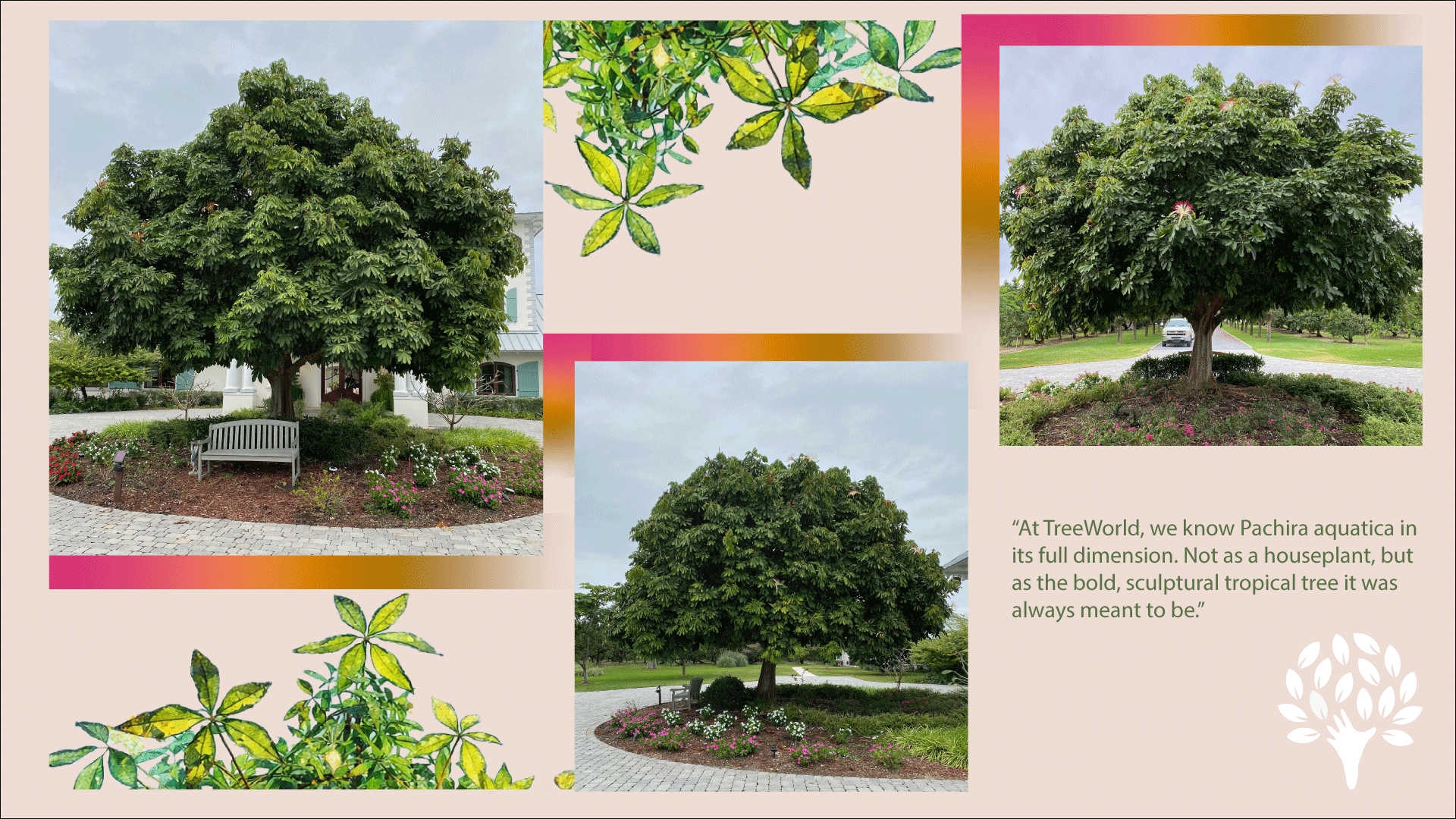
At TreeWorld, we know Pachira aquatica in its full dimension. Not as a houseplant, but as the bold, sculptural tropical tree it was always meant to be.
Beyond the “Money Tree”
In nature, Pachira aquatica grows into a commanding shade tree with strong architectural presence. Its proportions are generous. Its structure is confident. This is a tree that belongs outdoors. Rooted, expansive, and unapologetically tropical.
What first draws the eye are its palmate leaves: glossy, star-shaped, and perfectly balanced. They create a rhythmic canopy that filters light rather than blocks it. The result is soft, dappled shade. Ideal for courtyards, gardens, and large residential landscapes.
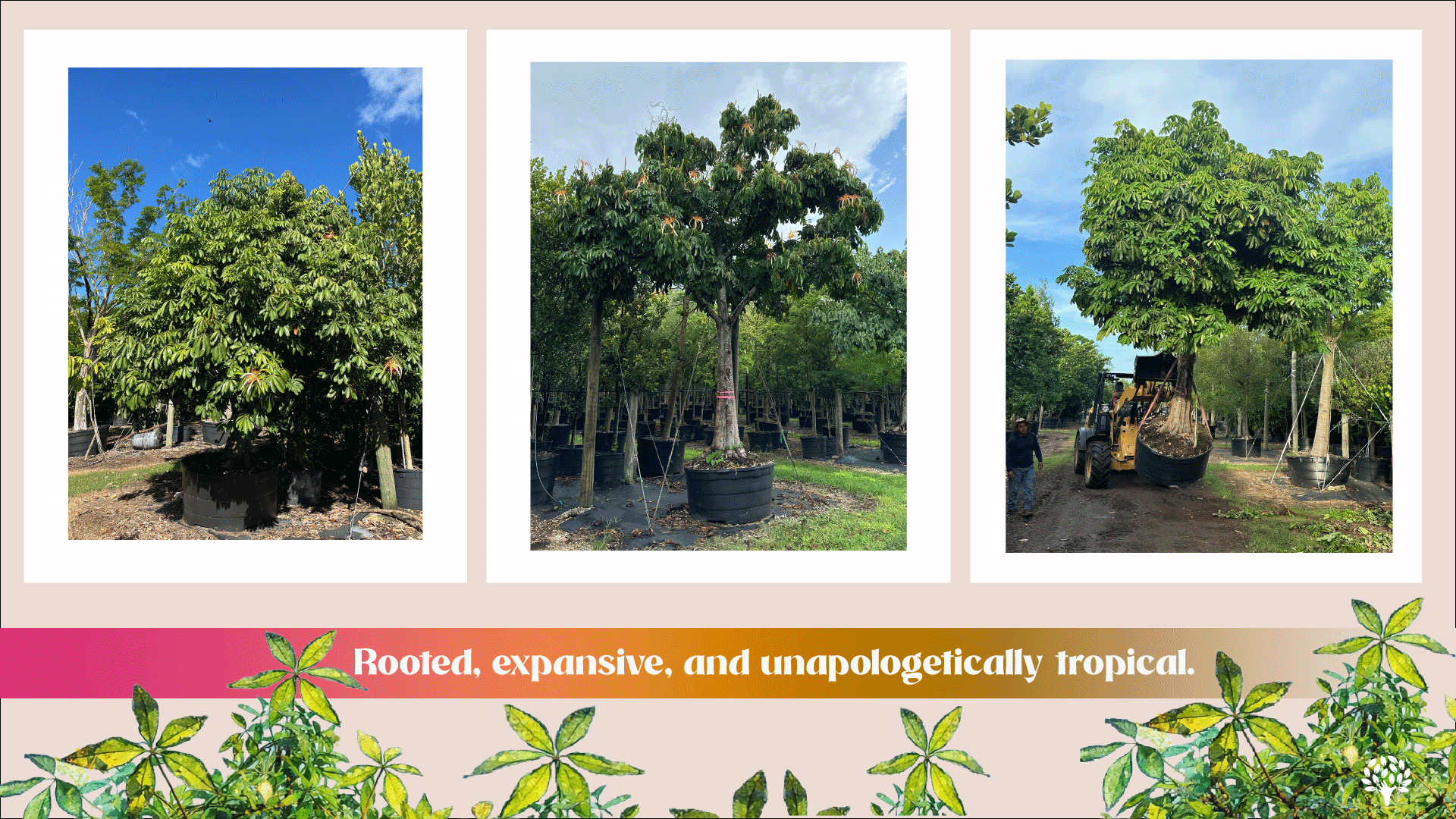
At ground level, its buttress roots tell another story. Broad, flared, and sculptural, they anchor the tree both visually and physically. Pachira aquatica takes on an almost architectural quality, as if it were designed rather than grown.
A Flower That Stops You Mid-Step
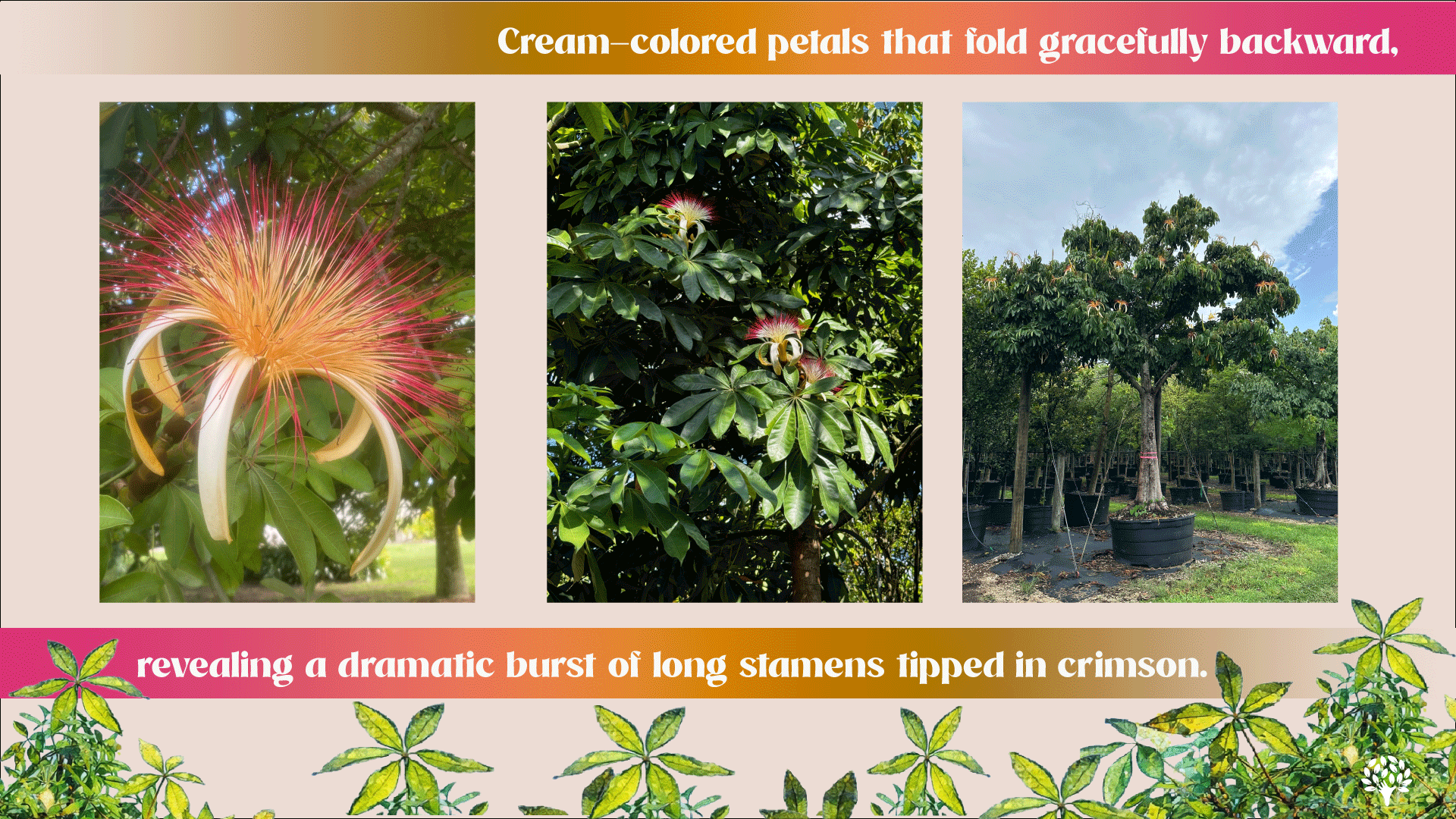
Its flowers are impossible to ignore. Each bloom opens three to four inches wide, with cream-colored petals that fold gracefully backward, revealing a dramatic burst of long stamens tipped in crimson. Often compared to the shaving brush tree bloom or even the rain tree. Flowers add movement, texture, and elegance all at once.
Water Chesnut Fruit with Purpose
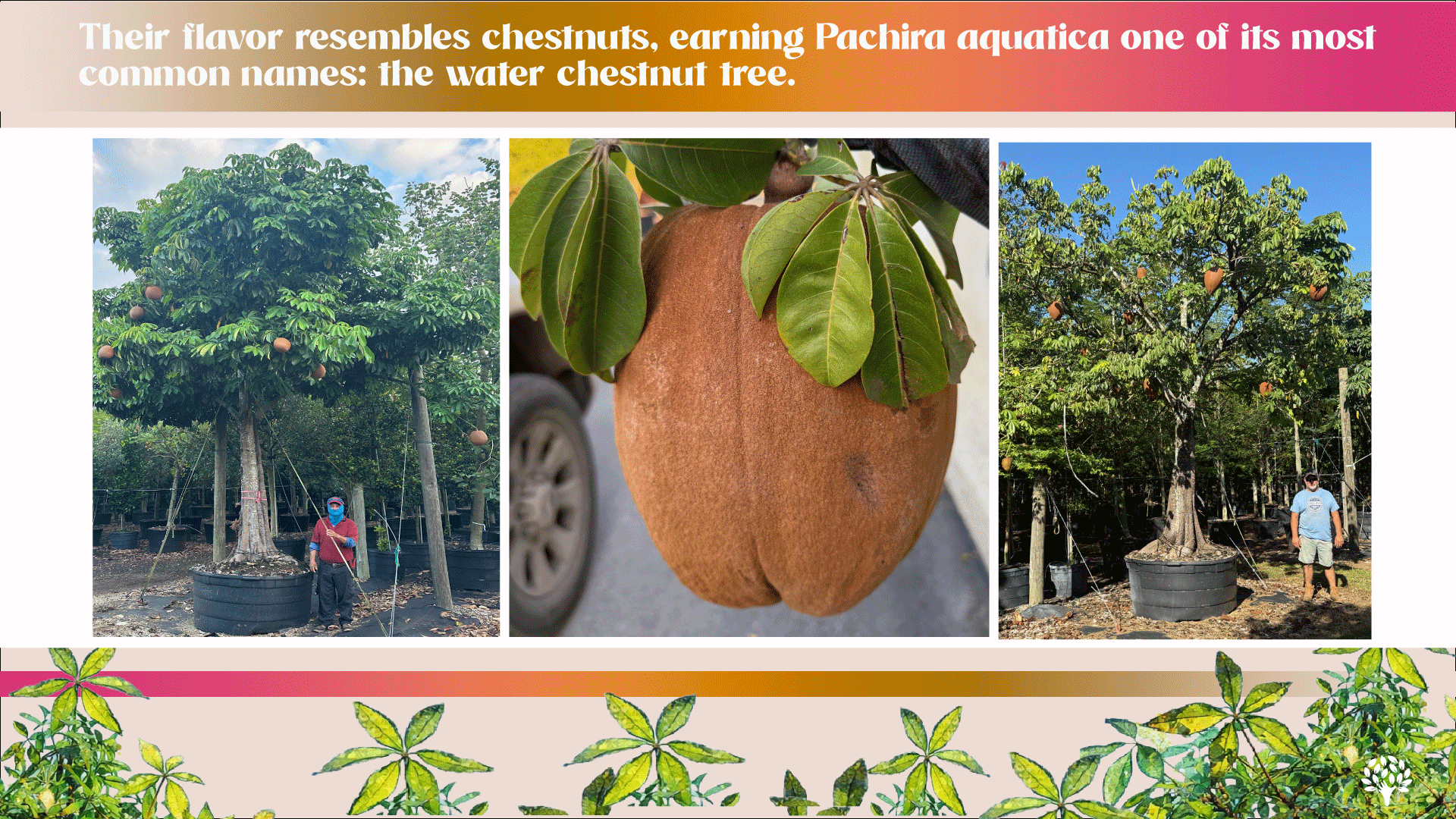
After flowering comes fruit: large, woody pods that can reach up to twelve inches long and five inches in diameter. As they mature, they turn a warm, tan-brown and eventually split open, revealing smooth, hard seeds that are impossible to miss.
These seeds are not merely ornamental. They have been used for generations. Eaten raw, cooked, or ground into flour for bread. In many regions, the tree is cultivated primarily for this reason. Their flavor resembles chestnuts, earning Pachira aquatica one of its most common names: the water chestnut tree.
Money tree as a Symbol of Prosperity
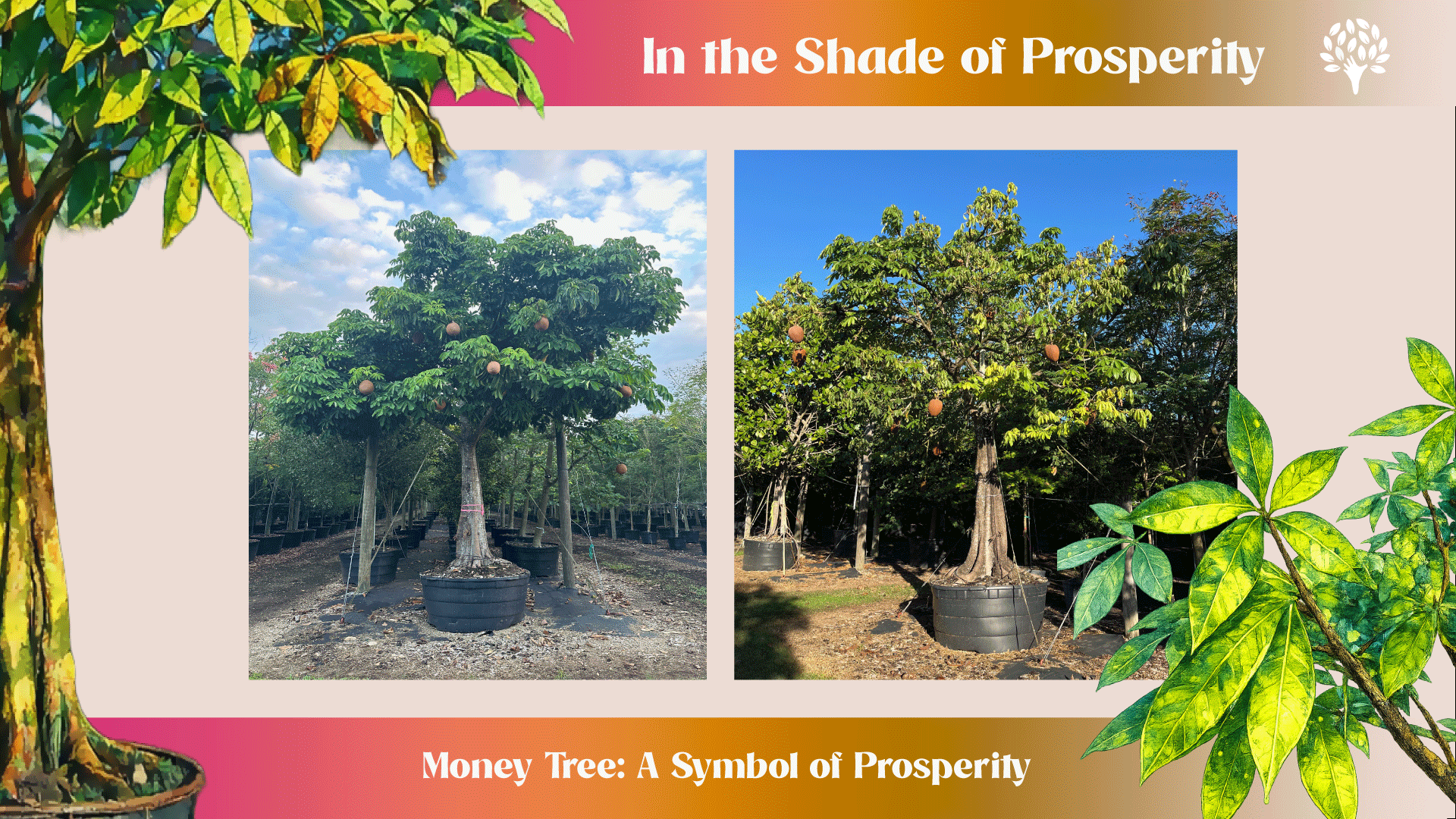
Native to the lowland forests and riverbanks of southern Mexico, Central America, and northern South America, Pachira aquatica was long valued for its usefulness rather than its symbolism. It grew as part of the everyday landscape. Providing shade, food, and structure in seasonally flooded environments.
The idea of Pachira as a symbol of prosperity came much later, shaped by modern interpretations far from its native wetlands. Yet the meaning feels earned. This is a tree rooted in abundance. One that feeds, shelters, flowers generously, and thrives where water and life converge.
The Water Chestnut Tree & Feng Shui
In modern times, Pachira aquatica became widely known through Feng Shui, where it is associated with prosperity, balance, and the steady flow of positive energy. Its palmate leaves are often seen as open hands, gathering and dispersing abundance, while its upright growth reflects stability and intention.
Seen at full scale, this symbolism deepens. A tree that rises from water-rich soils, anchors firmly into the earth, and stretches confidently toward the sky. Rooted below. Expansive above. Pachira embodies connection between ground and canopy, matter and light, shelter and aspiration.
Why the Prosperity Tree Belongs in the Landscape
In South Florida landscapes, Pachira aquatica finds a natural home. It performs beautifully as a shade tree in large residential gardens, waterfront properties, and low-lying areas where drainage is imperfect.
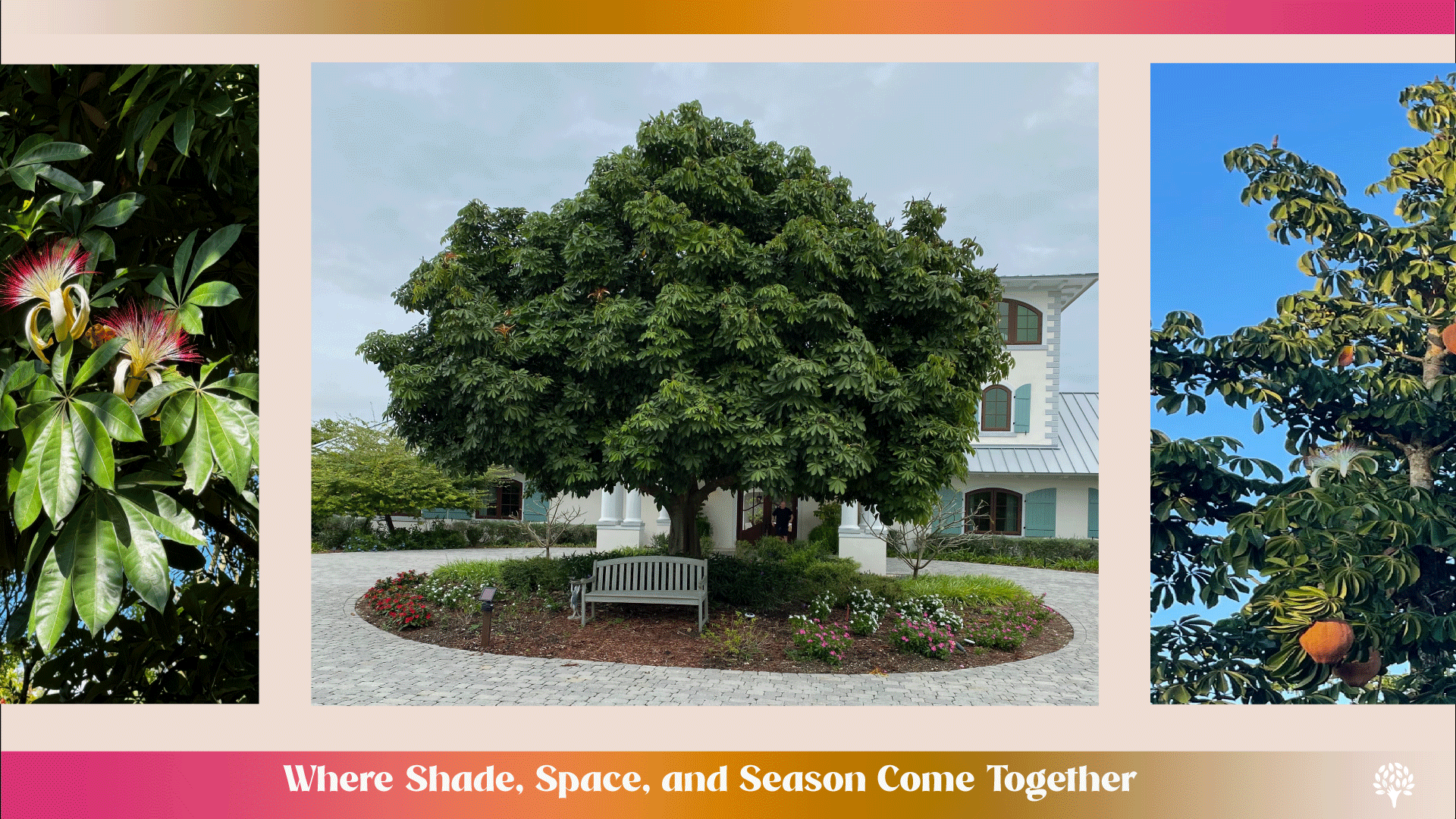
Its canopy filters light rather than blocks it, making it ideal near patios, walkways, and open lawns. When given room, its buttress roots become a defining feature rather than a constraint, an element of design as much as structure.
Seasonal blooms add another layer of interest. Flowers open wide, petals fold back, and crimson-tipped stamens emerge in displays that feel almost celebratory.
How to Care for Pachira aquatica
Care for Pachira aquatica follows the same philosophy as its growth: steady, not demanding. It prefers full sun to partial shade and consistent moisture, especially during establishment. Mature trees tolerate brief dry periods.
Pruning is minimal and best limited to clearance or structural balance, allowing the tree’s natural form to lead. In South Florida’s climate, it remains largely pest-resistant and resilient, especially when planted with good airflow and adequate space.
Top Benefits of Pachira aquatica
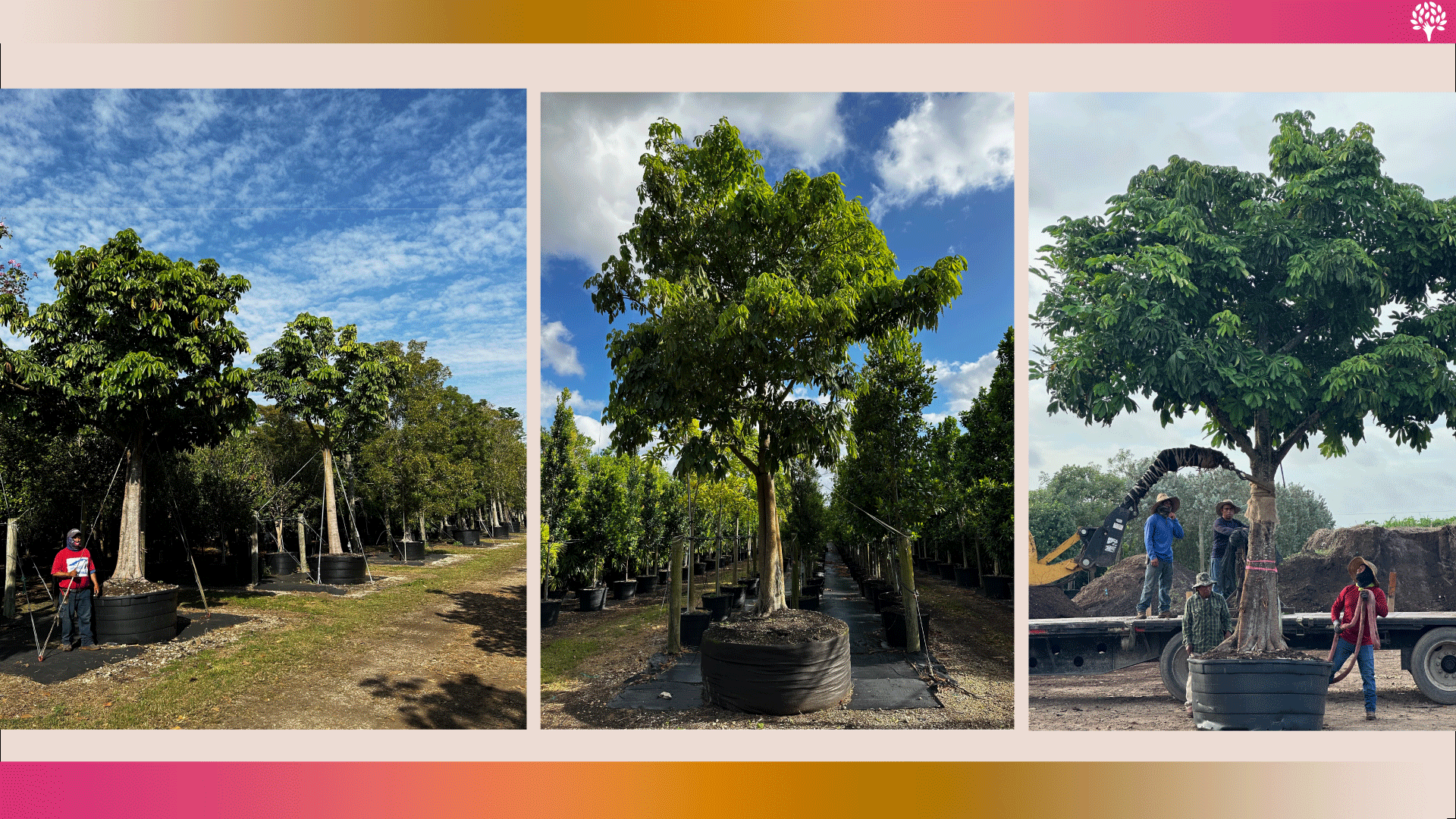
Ecologically, this plant gives back as much as it takes, which clearly reflects one of the main benefits of Pachira aquatica. Roots help stabilize soil in wet environments. Its canopy provides shelter and shade. And flowers support pollinators.
The large woody pods that follow bloom reveal seeds long valued for food. Here, abundance is not symbolic. It is literal.
Perhaps that is why Pachira aquatica carries its reputation so effortlessly. Prosperity here is not a promise, but a presence. A tree that feeds, shelters, stabilizes, and endures.
Grown to its full expression, Pachira aquatica offers more than shade. It offers perspective.
Thinking of Adding the Water Chestnut Tree to Your Next Landscape Design?
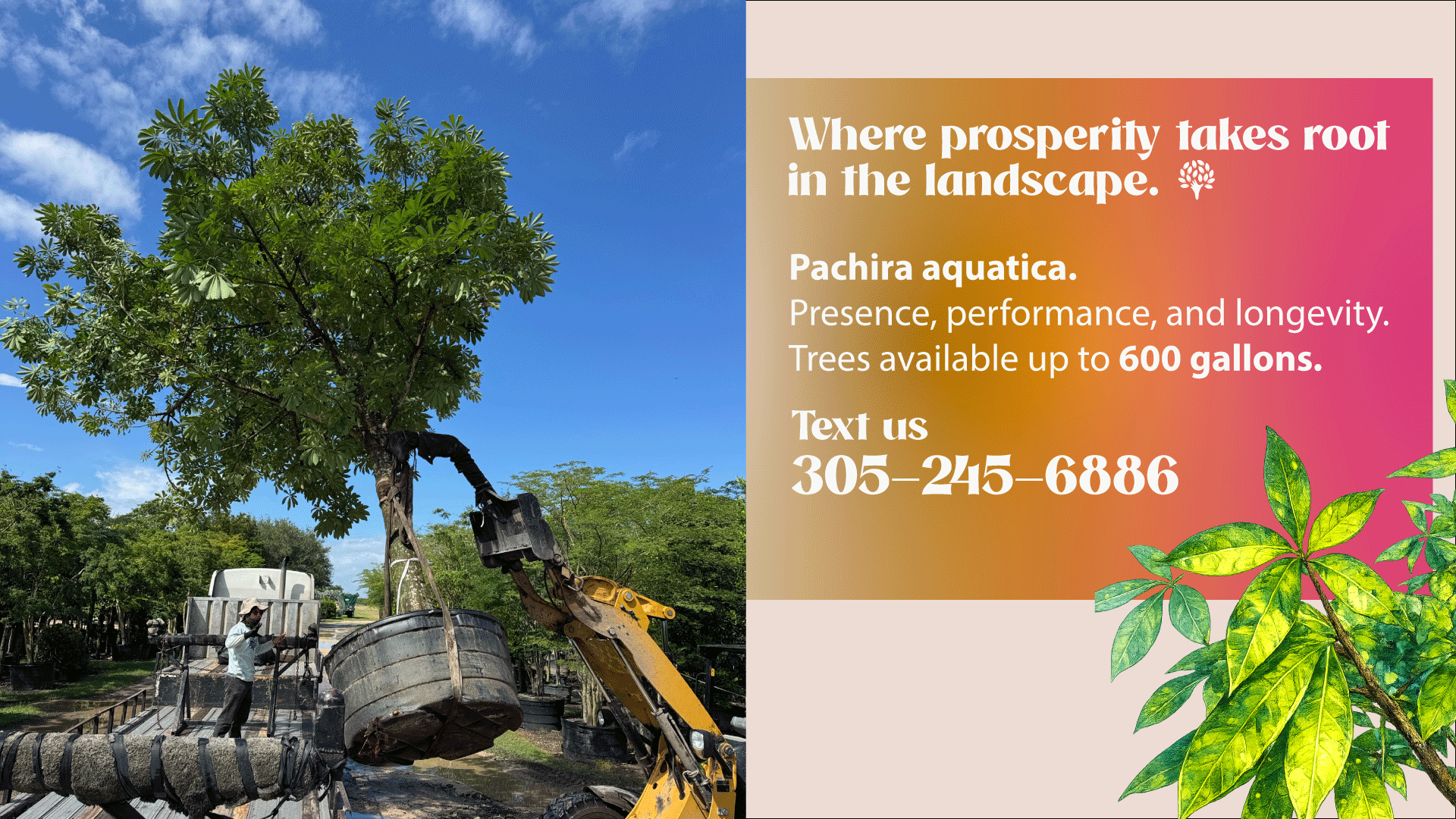
Prosperity, when rooted in the landscape, takes time, space, and intention. At TreeWorld, we cultivate Pachira aquatica as a true shade tree grown for presence, performance, and longevity.
If your project calls for scale, structure, and tropical resilience, we invite you to explore what this tree can become.
You’re welcome to contact us or visit our farm to take a closer look at Pachira aquatica:
TreeWorld Wholesale, Inc.
24605 SW 192 Ave
Homestead, Florida 33031 USA
📞 305-245-6886
Pachira aquatica care – FAQ
How do you care for Pachira aquatica?
Pachira aquatica care outdoors includes full sun to partial shade, consistent watering during establishment, and minimal pruning. Once established, it is a low-maintenance tree that adapts well to moist soils. Pruning should be limited to clearance or light structural shaping.
Can Pachira aquatica be planted outside?
Yes. Pachira aquatica thrives when planted outdoors and performs beautifully as a landscape tree. It grows best in tropical and subtropical climates, especially in areas with high humidity and seasonally wet soils. Making it an excellent choice for South Florida landscapes.
How much water does a Pachira aquatica need?
Pachira aquatica needs regular watering during its first growing season to establish strong roots. Mature trees tolerate short dry periods but grow best with consistent moisture. It naturally thrives in riverbanks, swamps, and low-lying landscapes.
How do you plant Pachira aquatica?
To plant Pachira aquatica, select a sunny to partially shaded location with room for canopy and roots. Dig a wide hole, plant at grade, backfill with native soil, and water deeply. Maintain consistent moisture during establishment.
What are the benefits of Pachira aquatica?
The benefits of Pachira aquatica include shade production, soil stabilization in wet areas, support for pollinators, and architectural value in landscapes. Its seeds are also traditionally used for food, making its value both ecological and practical.
Is Pachira aquatica easy to care for?
Yes, Pachira aquatica is easy to care for once established. It is pest-resistant in warm climates, requires minimal pruning, and adapts well to outdoor landscapes with consistent moisture and adequate space.
Is Pachira aquatica a good landscape tree?
Yes, Pachira aquatica is an excellent landscape tree. It offers broad canopy shade, sculptural roots, seasonal flowers, and strong adaptability to wet soils, making it ideal for residential gardens, parks, and waterfront properties.